Common DIY upholstery mistakes (and how to avoid them)
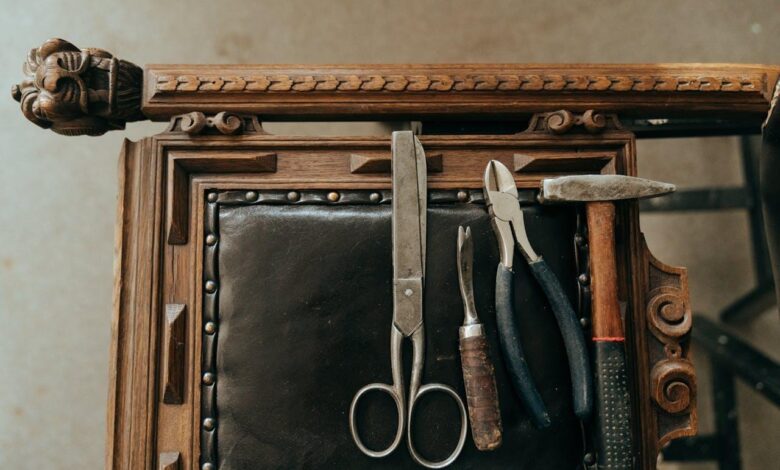
Re-upholstering your old furniture is a great way to breathe new life into your living space.
But before you commit to a new project be sure you’re not setting yourself up for failure. Here’s the most common upholstery mistakes you’re likely to make (and how to avoid them).
Choosing the wrong fabric
One of the biggest mistakes beginners make when embarking on a new upholstery project is picking a fabric based only on aesthetics. While a bold pattern or a silky texture might look like a good idea, not all fabrics are suitable for upholstery.
Instead, go for durable, upholstery-grade fabrics that can withstand wear and tear. Consider how demanding of an environment you’re putting your newly upholstered piece in. If it’s likely to be used by pets and young children look for fabrics that can be easily cleaned.
Skipping the prep work
When starting a new project it’s tempting to jump straight into it. Stapling new fabric over the old covering can seem time efficient and less messy. But skipping proper preparation leads to poor results.
Taking the time to remove all the old fabric and thoroughly cleaning the frame allows you to inspect for damage as well as giving a more refined finished look. The final product will look smoother and last for longer.
Not documenting the process
After you’ve dismantled the furniture you’re re-upholstering it’s easy to forget how each piece slots together without documenting the process. By not taking record of everything you do when taking apart a piece, you’re complicating the process for your future self.
An easy way to remember what goes where is by taking a video or clear photos throughout the preparation process. This can then act as a tutorial or guide when putting the furniture back together.
Cutting fabric incorrectly
Rushing, and cutting fabric too quickly leads to inaccurate measurements. Even if the fabric is just an inch short of being the right size, a whole new piece of fabric will have to be used. After a few incorrect measures, this mistake becomes costly.
To avoid mistakes, measure at least twice before cutting. It’s also a good idea to leave excess fabric in case of adjustments. This is especially important when using patterns that need alignment.
Ignoring pattern alignment
Using a fun pattern to re-upholster used furniture is a great idea to add personalisation to your home. But re-upholstering furniture piece by piece without considering pattern alignment can leave the final product looking mismatched and unprofessional.
Before attaching any fabric, take time to plan your cuts and look at how they line up for pattern continuity. Make sure all patterns are centred and aligned.
Using the wrong tools
Attempting to upholster furniture without the right tools for the job makes the project more difficult, time-consuming and less precise. It can even result in injury.
Keep yourself safe and your project flawless by investing in a proper upholstery toolkit. To start out the key essentials include: a staple gun, fabric scissors, a tack remover and a webbing stretcher.
Poor stapling technique
Loose stapling is dangerous, especially in a home with young children and pets. And uneven staples compromise the durability of your project. They’re likely to come undone as well as ruin the finished appearance.
Improve your stapling technique by keeping the fabric taut as you staple, spacing the staples evenly as you go. Working from the centre outward also avoids wrinkles and bunching.
Neglecting cushion filling
Reusing old, worn-out padding makes your furniture look tired, even after an aesthetic facelift.
Replacing old cushion filling with high-density foam for upholstery or batting means you get the most out of your new project. It will last longer, offer extra comfort and look better.
Taking on too complex of a project
There’s no shame in being a beginner! Starting with too complicated of a project quickly becomes overwhelming. Skipping any trial runs can mean wasting a lot of material, time and money.
Begin with simple projects. Re-upholstering a dining chair, for example, is much easier than an entire sofa.
Final thoughts
When done right, re-upholstering your furniture is a smart and cost-effective way to refresh your home. Mistakes happen, but taking a preventative approach saves money, time, and materials.