Why Garden Annexes are the UK’s Top Property Trend for 2026
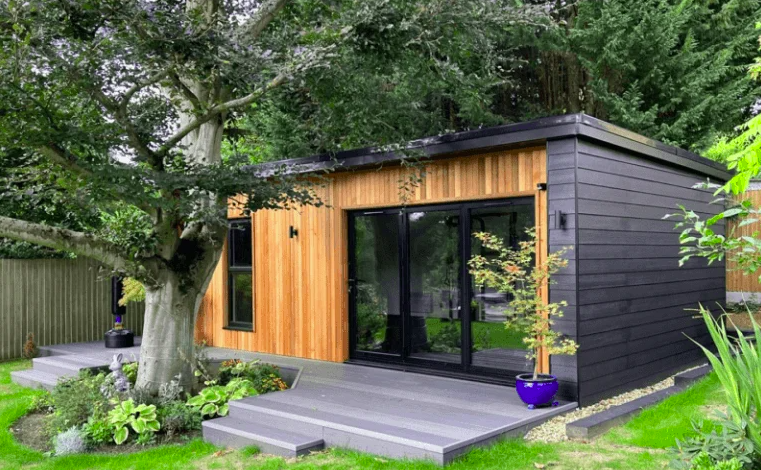
As we navigate the middle of 2026, the British property landscape has undergone a seismic shift. The traditional “three-bed semi” is no longer the ultimate goal for many families. Instead, the focus has moved toward flexibility, multi-generational living, and the maximization of every square inch of outdoor space.
At the heart of this revolution are garden annexes. No longer seen as just fancy sheds, these high-spec, self-contained living spaces are the defining property trend of the year.
Whether it’s a response to the cost-of-living crisis or a desire for a more balanced lifestyle, here is why the garden annex is the UK’s most sought-after home improvement.
The Rise of Multi-Generational Living
One of the primary drivers behind the popularity of garden annexes is the “Sandwich Generation.” These are adults who find themselves supporting both their aging parents and their adult children who are struggling to get on the property ladder.
A garden annex offers the perfect middle ground. It provides:
- Independence: Occupants have their own front door, kitchen, and bathroom.
- Proximity: Help is only a few yards away if an elderly relative needs assistance.
- Privacy: Separate living quarters mean families can live together without “living on top” of each other.
By moving a relative into an annex, families can often avoid the staggering costs of care homes or the high rents of the private sector, making it a financially savvy move for 2026.
Sustainable Luxury: The 2026 Build Standard
Modern garden buildings have moved far beyond the draughty structures of the past. Today’s annexes are built to the same—or better—standards than traditional brick-and-mortar homes.
With the UK’s commitment to “Net Zero” targets, 2026 models feature:
- Triple Glazing: Ensuring thermal efficiency and soundproofing.
- Living Roofs: Incorporating sedum to encourage local biodiversity.
- Smart Climate Control: Air-source heat pumps that provide cooling in summer and warmth in winter.
When a buyer sees a high-quality building in the garden, they aren’t looking at a temporary fix; they are looking at a permanent, high-value asset.
Navigating Annex Planning Permission in 2026
One common misconception is that a living space can be built under “Permitted Development.” While a simple garden pod used as an office might not require a full application, a dwelling intended for sleeping is a different story.
Securing annex planning permission is a critical step that homeowners are now taking more seriously. Local councils have become more receptive to these builds as they help ease the national housing shortage.
Key factors that planners look for include:
- Siting: Ensuring the building doesn’t overshadow neighbors.
- Usage: Demonstrating that the annex is “ancillary” to the main house (meaning it shares utilities or is used by a family member).
- Design: Using materials that complement the local environment.
Having the correct paperwork in place doesn’t just make the build legal—it locks in the property value for future resale.
The “Work-from-Home” Evolution
While the “garden office” was the trend of 2020, the “garden suite” is the trend of 2026. People realized that a tiny desk in a shed wasn’t enough. They wanted a space that could function as a high-end boardroom by day and a guest suite by night.
The flexibility of an annex allows for:
- Professionalism: A quiet, dedicated space away from household noise.
- Versatility: The ability to host long-term guests or even use the space for short-term holiday lets (subject to local regulations).
- Property Appeal: In a market where remote work is standard, a home without a dedicated external workspace is now at a disadvantage.
How Garden Buildings Impact Valuation
Estate agents across the UK are reporting that properties with a high-spec garden annex sell faster and for significantly higher prices. In some regions, a well-built annex can add up to 15% to the total property value.
This isn’t just because of the extra square footage. It’s because an annex solves problems. It solves the “no guest room” problem, the “expensive office rent” problem, and the “aging parent” problem all at once. For a buyer, that convenience is worth a premium.
Cost-Effective Construction vs. Home Extensions
Traditional home extensions are notoriously stressful. They involve months of builders walking through your kitchen, dust everywhere, and often unexpected structural costs.
In contrast, garden buildings offer a “plug-and-play” solution:
- Speed: Most annexes are prefabricated off-site and installed in a matter of weeks.
- Fixed Cost: Because the environment is controlled, you are less likely to deal with the “budget creep” common in traditional renovations.
- Minimal Disruption: The work happens in the garden, meaning your daily life inside the main house remains uninterrupted.
Future-Proofing Your Home
As we look toward the end of the decade, the demand for flexible living space shows no signs of slowing down. A garden annex is more than just a room; it’s an insurance policy against the changing needs of your family.
Whether you need a place for a teenager to study, a studio for a new business venture, or a cozy home for a grandparent, the garden annex is the ultimate chameleon of the UK property market.
FAQ
Is a garden annex the same as a garden room?
Not quite. A garden room is typically a single-room structure used for leisure or work. An annex is a “self-contained” unit, meaning it usually includes plumbing for a bathroom and often a small kitchenette, designed for overnight stays or permanent living.
How long does it take to build an annex?
Once the foundations are set, a modular annex can be installed and connected to utilities in as little as 3 to 6 weeks. This is significantly faster than a traditional brick extension which can take 4 to 6 months.
Do I need a separate council tax for a garden annex?
In many cases, yes, an annex can be subject to its own council tax band. However, there are many exemptions, particularly if the annex is occupied by a dependent relative (over 65 or disabled). Always check with your local authority.
Can I rent out my garden annex on Airbnb?
This depends on your local planning permission. If your building was approved specifically as a “granny annex” for family use, you may need to apply for a “change of use” to operate it as a commercial holiday let.
How do I connect water and electricity?
A professional installer will run armored cabling and insulated plumbing pipes from your main house to the annex. These are usually buried in a trench in your garden to ensure they are protected and out of sight.
READ ALSO: Why Garden Rooms Are the Ultimate Home Upgrade in 2026