Is Your Office Too Loud? The Modern Guide to Workplace Acoustics
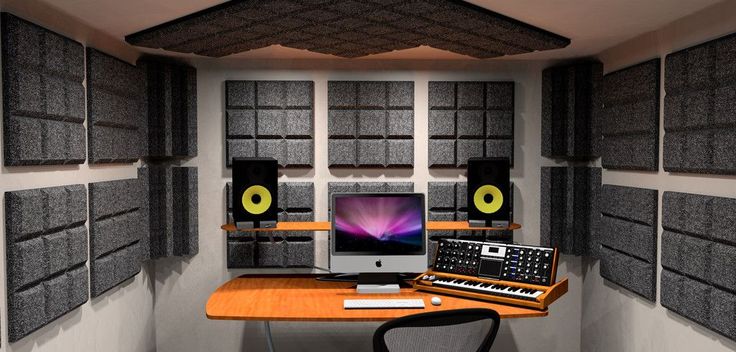
In the race to build the trendiest open-plan offices, many businesses accidentally built something else: an echo chamber. If you can hear a colleague’s whisper from thirty feet away or the hum of the coffee machine feels like a jet engine, you have a “noise pollution” problem.
Mastering workplace acoustics is the secret weapon of high-performing teams. It’s not just about silence; it’s about creating an environment where deep focus and collaborative energy can coexist without crashing into each other.
The Invisible Productivity Killer: Why Noise Matters
We’ve all been there—trying to crunch numbers or write a proposal while a nearby brainstorming session reaches a crescendo. Science tells us that it can take up to 23 minutes to regain deep focus after a significant distraction.
In 2026, the office has evolved into a social hub for hybrid workers. This means the “social” noise is higher than ever. To keep employees happy and productive, businesses are investing in specialized solutions that manage sound at the source, the path, and the receiver.
Look Up: The Power of Acoustic Ceiling Systems
Most office noise travels upward, hits a hard concrete or plaster ceiling, and bounces right back down. To break this cycle, designers are utilizing the “fifth wall”—the ceiling—to soak up excess decibels.
By installing acoustic ceiling panels for office noise reduction, you create a primary defense against rising sound levels. For offices with industrial aesthetics or high, exposed ceilings,high-performance acoustic ceiling baffles are a game-changer. These suspended vertical panels catch sound waves from both sides, significantly shortening the “reverberation time” (the time it takes for a sound to die away).
Why Ceiling Treatments Work:
- Zero Floor Footprint: They don’t take up valuable square footage.
- Uniform Absorption: They provide consistent coverage across the entire floor plate.
- Architectural Style: Modern baffles add a 3D visual element to otherwise flat rooms.
Wall Solutions: Functional Art for Focused Teams
Walls are often the biggest reflectors of sound. Large, flat surfaces allow sound to “slap” back and forth, creating that annoying hollow ring. To fix this, companies are moving away from boring grey foam toward acoustic office panels that look like high-end decor.
If you want a premium look for an executive suite or a client-facing boardroom,premium fabric-wrapped acoustic wall panels offer a sophisticated, soft-touch finish. These panels don’t just stop echoes; they signify quality and attention to detail.
Top Design Ideas for Walls:
- Textured Tiling: Use different thicknesses of panels to create a 3D effect.
- Brand Colors: Order custom fabric wraps to match your corporate identity.
- Acoustic Art: Some panels can even be printed with high-resolution photography or graphics.
Protecting Personal Space in Open Layouts
The biggest complaint in modern offices is the lack of “acoustic privacy.” When you’re on a sensitive call, you don’t want the whole floor hearing your business.
Acoustic desk screens for noise reduction provide an immediate barrier between workstations. They catch the sound of your voice before it travels to your neighbor’s ears. When used alongside acoustic wall tiles for noise reduction in offices, these screens help create “micro-zones” of quiet within a larger, busier room.
Comparing Your Acoustic Options
Choosing the right material depends on your budget, the size of your space, and your aesthetic goals.
| Solution | Best For | Noise Reduction Coefficient (NRC) |
| Ceiling Baffles | High ceilings/Large halls | High (0.85 – 1.0) |
| Fabric Wall Panels | Boardrooms/Video calls | Excellent (0.90+) |
| Desk Screens | Open-plan workstations | Moderate (0.50 – 0.70) |
| PET Felt Tiles | Modern, eco-friendly décor | Good (0.60 – 0.80) |
3 Quick Wins for a Quieter Office
If you can’t do a full renovation today, here are three ways to start:
- Group the Noise: Place loud equipment (printers, shredders) and high-activity zones (kitchens) far away from focus pods.
- Add Softness: Use rugs, plants, and upholstered furniture. While not professional acoustic grade, they help more than bare glass and metal.
- Target the Echo: Find the “bounciest” wall in your meeting room and cover just 20% of it with acoustic panels. You’ll hear the difference immediately.
Conclusion
Acoustics shouldn’t be an afterthought. A well-treated office doesn’t just sound better; it feels better. By mixing ceiling baffles for overall control with fabric-wrapped wall panels for style and desk screens for individual privacy, you create a workspace where people actually want to be.
Invest in the “sound of silence,” and your team’s focus—and your bottom line—will thank you.
FAQ
1. Does every wall need panels?
No. Usually, treating two adjacent walls (forming an ‘L’ shape) is enough to kill the majority of echoes in a standard room. You don’t need to turn your office into a padded cell!
2. What is an NRC rating?
NRC stands for Noise Reduction Coefficient. It’s a scale from 0 to 1. A rating of 0 means the material absorbs no sound (like a window), while 1.0 means it absorbs 100% of the sound that hits it.
3. Can I install these panels over glass?
It’s tricky, but there are specialized transparent acoustic foils or hanging “clouds” that can be placed near glass walls to help without blocking the view or the light.
4. Are acoustic panels eco-friendly?
Many are! Look for products made from recycled PET (plastic bottles). These are often 100% recyclable and free from harmful chemicals like formaldehyde.
5. Will acoustic panels stop my neighbors from hearing me through the wall?
Panels help by making your voice quieter inside your room, which means less sound leaks out. However, for total soundproofing, you usually need to add “mass” inside the wall itself.
READ ALSO: Choosing the Perfect Desks for a Modern Office Setup