The Moment a Technician Reads a System and Knows Exactly Where the Problem Lives
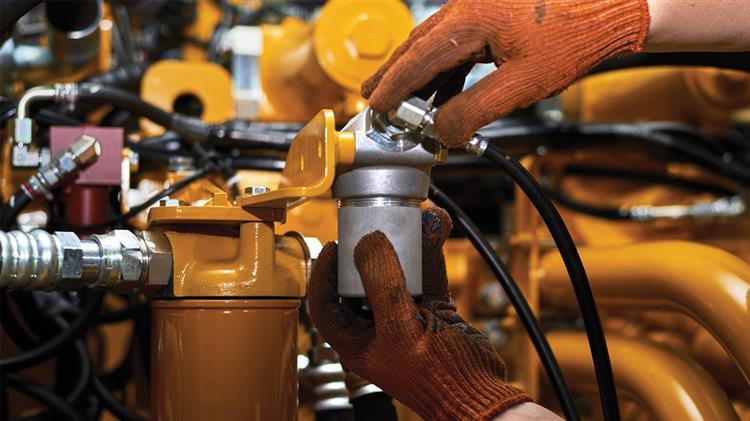
Diagnosis is the most demanding part of any skilled trade. Replacing a component that has been correctly identified is a matter of competence and access to parts. Finding the component that needs replacing, in a system complex enough that any of a dozen different failures could produce the symptoms presenting at the machine, is where expertise separates itself from mere technical knowledge.
In hydraulic system repair, the diagnostic moment is the one that determines everything that follows. Get it right and the repair is efficient, targeted, and complete. Get it wrong and the repair addresses a symptom while the actual cause continues its work.
Why Hydraulic Diagnosis Is Genuinely Hard
A hydraulic circuit is an interconnected system in which the performance of each component affects the behaviour of others. When a cylinder moves slowly, the cause could be pump wear reducing system pressure, a relief valve set incorrectly, internal bypass in the cylinder itself, a restriction in the hose supplying it, or a directional valve failing to open fully. Each of these produces a similar symptom. Each requires a different repair.
An experienced technician does not guess between these possibilities. They apply a diagnostic methodology that uses pressure testing, flow measurement, and careful observation of how the symptom manifests under different operating conditions to eliminate possible causes systematically. Each test narrows the field until the actual source of the problem is confirmed rather than assumed.
What Experience Adds to Method
Diagnostic methodology provides the framework. Experience fills it with pattern recognition that accelerates the process in ways that methodology alone cannot. A technician who has performed hydraulic repairs on hundreds of machines across multiple equipment types has encountered most failure modes many times. They have seen how cylinder bypass presents differently from pump wear. They have learned which failure modes are common in which machine types. They have developed an intuitive read of the relationship between how a system sounds, how it feels under load, and what is likely happening inside it.
This pattern recognition does not replace systematic diagnosis. It focuses it. An experienced technician arriving at a machine with a known fault history and a specific set of symptoms has already narrowed the diagnostic field before the first pressure gauge is connected. The methodology confirms what experience suggests rather than working through the full range of possibilities from scratch.
The Value That Flows From Getting It Right
A correctly diagnosed hydraulic fault leads to a repair that addresses the actual problem. The component replaced is the one that needed replacing. The system returns to full performance. The root cause is understood well enough to inform the maintenance decisions that will prevent a recurrence.
A misdiagnosed fault leads to a repair that addresses the visible symptom while leaving the actual cause in place. The machine returns to service apparently repaired, then fails again in a way that may be more difficult to diagnose the second time because the obvious candidate has already been replaced.
The difference between these two outcomes is the difference between a skilled diagnosis and an incomplete one. It is the difference that experienced technicians make when they stand in front of a failing system and read it carefully enough to know exactly where the problem lives. That ability is the foundation on which every successful repair is built.