How to Choose Personal Care Flexible Packaging
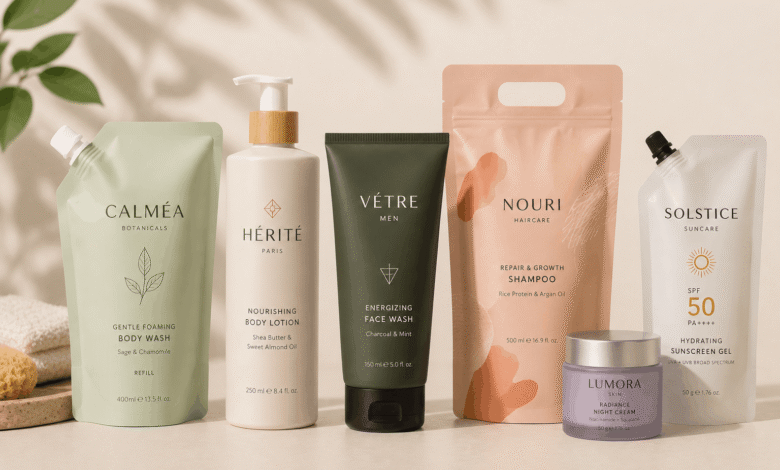
Personal care is a crowded space. New brands are entering the market all the time, and customers have more choices than ever. That means every detail counts. And packaging is often the first thing people notice.
But it’s not just about looks anymore. How much does packaging really impact your product?
In reality, it does a lot more than simply hold it. Packaging plays a key role in keeping formulas safe, preventing leaks, and maintaining quality from production to end use. At the same time, it shapes how customers see your brand and how they experience the product. This is why many brands choose to work with experienced partners like EONSEN Pack, a trusted flexible packaging supplier that understands both performance and presentation.
So how do you get it right? It usually comes down to three things: protection, material selection, and shelf appeal.
Start with the Basics: Can It Actually Protect the Product?
Before anything else, packaging needs to do its primary job well: protect the product. It sounds obvious, but this is where many problems begin.
Personal care products like lotions, serums, and gels are especially prone to leakage if the packaging isn’t designed properly. A weak seal or poor structure can easily lead to spills during shipping or handling. Beyond that, exposure to air, moisture, or light can affect the formula itself, reducing its effectiveness or shelf life.
That’s why strong seals and reliable barrier performance are so important. Good flexible packaging should help control moisture and limit oxygen exposure, especially for sensitive formulations.
It’s also worth noting that not all products need the same level of protection. A thick cream and a liquid cleanser will have very different requirements. Thinking about how your product is stored, transported, and used can help you choose packaging that actually holds up in real-world conditions.
Not All Materials Work the Same Way
Once the basics are covered, the next step is choosing the right material. This is just as important as the packaging design itself.
Different products place different demands on packaging, so a one-size-fits-all approach rarely works. For example, heavier or bulk products often need thicker films to prevent tearing or deformation during handling. On the other hand, more sensitive formulations may require added barrier layers to protect against moisture or air exposure.
It also comes down to how the product is used. Some applications benefit from more flexible packaging that’s easy to squeeze and handle, while others may need a more structured feel for stability.
Another factor that often gets overlooked is compatibility. Ingredients like oils, alcohol, or active compounds can react differently with certain materials. If the wrong combination is used, it can affect both the packaging and the product inside.
This is where working with an experienced manufacturer like EONSEN Pack can make a difference, especially when material selection needs to match both the formula and real-world usage.
Keeping material choices aligned with the product itself helps avoid problems later on and ensures more consistent performance.
Shelf Appeal Still Drives Buying Decisions
Beyond performance, packaging still plays a huge role in how a product is perceived. In many cases, it’s the first thing a customer notices, whether on a store shelf or in an online listing.
Details like print quality and color consistency make a bigger difference than most brands expect. If the colors look off or the design feels dull, it can take away from the overall impression, no matter how good the product is inside. Finishing options like matte, gloss, or metallic effects can help create a more premium feel and make the packaging stand out.
Flexible packaging also gives brands more room to be creative. Unique shapes, custom sizes, and eye-catching designs are easier to achieve compared to more rigid formats.
Strong visual appeal ultimately helps build trust and makes your product feel more polished and professional.
Convenience Matters More Than Brands Expect
Convenience is often overlooked, but it plays a big role in how customers experience a product day to day. If packaging is difficult to open, messy to use, or hard to store, it can quickly become frustrating.
Simple features can make a big difference. Spouts, for example, make liquid products easier to pour and control. Resealable options like zippers are useful for refills or products that need to stay fresh after opening.
These small details directly affect how often customers come back to your product. When packaging feels easy and practical, it improves the overall experience without drawing too much attention to itself.
Over time, that convenience builds trust. And in a competitive market, that’s often what keeps customers coming back.
Sustainability Is Important, But It Has to Work
Sustainability has become a major focus in personal care packaging, and for good reason. More brands are looking for ways to reduce their environmental impact, and customers are paying attention.
There are several options available today, including recyclable materials and biodegradable films. These can help brands move toward more eco-friendly solutions without completely changing their packaging format.
That said, sustainability isn’t always straightforward. Some materials may not offer the same level of strength or barrier protection, which can affect product quality or shelf life.
That’s why it’s important to find the right balance. Packaging still needs to protect the product and perform reliably. The goal is to improve sustainability without creating new problems elsewhere. Many manufacturers, including EONSEN Pack, are working to develop solutions that balance both performance and environmental goals.
Final Thoughts: It’s About Finding the Right Balance
In practice, there’s no single packaging solution that works for every personal care product. What works well for one brand or formula might not be the right fit for another.
The key is finding the right balance between protection, design, cost, and sustainability. Each of these factors plays a role, and focusing too much on one can create issues elsewhere.
If you’re unsure where to start, it helps to look at how your product is used, stored, and presented. The better the fit, the more reliable your packaging will be in the long run. And that’s what makes packaging work not just in theory, but in real use.