3 Signs Your Pet Needs To Visit An Animal Hospital
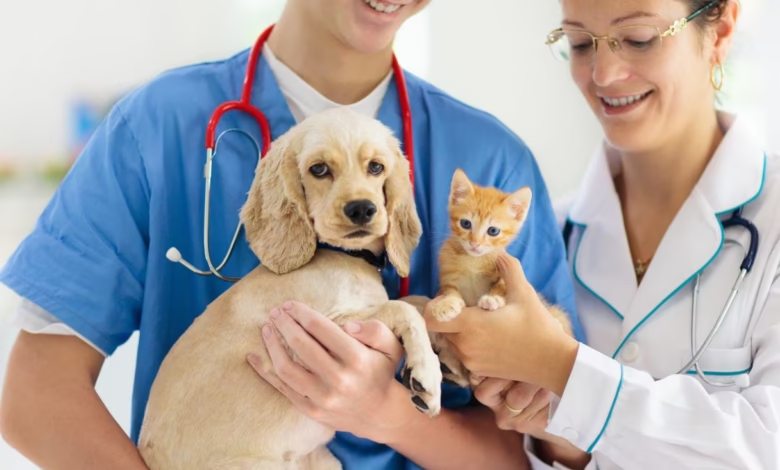
Your pet cannot tell you when something feels wrong. You see the small changes first. A missed meal. A limp. A strange sound in the night. These moments can leave you uneasy and unsure about what to do next. Ignoring them can put your pet in real danger. Quick action often means less pain and faster healing. This guide walks you through three clear signs that your pet needs urgent care at an animal hospital. Each sign is simple to spot and hard to ignore. If you notice any of them, you should not wait. You should act. If you already see these signs, a veterinarian in Clifton can help you understand what is happening and what to do. Your pet depends on you to notice, decide, and seek help. You do not need to guess. You only need to watch, listen, and respond.
1. Sudden Changes in Eating, Drinking, or Bathroom Habits
Food and water habits show health. When these change fast, something is wrong. You must pay close attention.
Watch for three main warning signs.
- Refusing food or water
- Drinking far more or far less than normal
- New vomiting, diarrhea, or straining
If your pet skips one meal, you can watch. If your pet skips more than one meal, you should call an animal hospital. Cats that stop eating can develop liver problems in a short time. Dogs that refuse food can have pain, fever, or a blockage.
Changes in thirst can point to kidney disease, diabetes, or hormone problems. The National Institute of Diabetes and Digestive and Kidney Diseases explains that kidney disease often hides until late stages. Extra drinking and more urine can be one of the first hints at home.
Bathroom changes also matter. Loose stool, hard stool, blood, mucus, or strong strain all mean stress inside the body. One soft stool may pass. Ongoing diarrhea, repeated vomiting, or any blood needs fast care. Continued fluid loss can cause shock.
When To Call An Animal Hospital About Eating And Bathroom Changes
| Sign | Watch At Home | Call Same Day | Seek Emergency Care |
|---|---|---|---|
| Not eating | Misses one meal but acts normal | No food for 24 hours | No food for 24 hours in a cat or small pet, plus low energy |
| Not drinking | Drinks a bit less once | Hardly drinks for 12 hours | Signs of dry gums, sunken eyes, or weakness |
| Vomiting | One mild vomit, then normal | More than two times in 24 hours | Non-stop vomit, blood, or swallowed toy or string |
| Diarrhea | One loose stool, acts normal | Loose stool for more than a day | Blood, black stool, or watery stool plus weak behavior |
When you call, give clear facts. Share when the change started. State how often your pet vomits or has diarrhea. Tell the staff about any trash, plants, drugs, or chemicals your pet may have reached.
2. Trouble Breathing, Moving, or Standing
Breathing and movement keep your pet safe. Any sudden change here is an emergency until proven safe. You do not wait for these to pass.
Watch for three core danger signs.
- Fast or hard breathing
- Weakness or collapse
- Sudden limp or pain when touched
Fast or heavy bbreathing open mouth breathing in cats, loud sounds, blue or pale gums, or flared nostrils all demand urgent care. The U.S. Food and Drug Administration lists breathing trouble as one of the top reasons to seek emergency help for pets. Time makes a difference here. You should move at once.
Changes in movement can be just as serious. A pet that cannot stand, drags its legs, or falls over may have a spinal injury, stroke, or poison. A pet that cries when you pick it up may have a broken bone, torn muscle, or organ damage inside.
Use this simple check while you call the hospital.
- Count breaths for 15 seconds. Multiply by four. More than 40 breaths per minute at rest is urgent.
- Look at gums. Pink is normal. White, blue, or gray is an emergency.
- Check if your pet can walk in a straight line. Any sudden wobble or fall needs fast care.
If your pet has been hit by a car, attacked by another animal, fallen from a height, or crushed in a door, you should go to an animal hospital even if your pet seems fine. Internal bleeding and lung bruising often stay hidden for hours.
3. Sudden Behavior Changes, Confusion, or Seizures
You know your pet. Sudden changes in mood or awareness are red flags. These can point to brain issues, pain, poison, or organ failure. You must trust your concern.
Three behavior shifts need fast action.
- Unusual aggression or fear
- Staring, pacing, or walking in circles
- Seizures or twitching that will not stop
A calm pet that snaps when touched may hurt someone. A social pet that hides and refuses contact may feel sick or scared. A house-trained pet that starts soiling inside may have confusion or loss of control.
Seizures look different in each pet. Signs can include stiff legs, paddling, chewing motions, drool, or loss of control of urine or stool. Some pets only stare or twitch in the face. Any first seizure needs an exam. Long seizures over five minutes or many seizures in one day are emergencies.
While you wait to leave for the hospital, keep the room quiet and dark. Move objects that can hurt your pet during a seizure. Do not put your hands near your mouth. Your pet may clamp down without control.
How To Prepare Before You Need An Animal Hospital
Clear steps before a crisis can save minutes when they matter most. You can get ready in three simple ways.
- Save contact information for the nearest 224-hour animal hospital and your regular veterinarian.
- Keep a written list of your pet’s drugs, health issues, and any past reactions to drugs.
- Prepare a small kit with a leash, muzzle or towel, carrier, copy of records, and payment method.
Keep this kit by the door. Tell family members where it stays. Practice how you would lift and move your pet in a calm way. Planning does not invite crisis. It only cuts fear when stress hits.
Trust Your Instincts And Act
You spend time with your pet every day. You see patterns. That bond gives you sharp insight. If you feel that something is wrong, you are often right.
When you see sudden changes in eating, breathing, movement, or behavior, you should not wait and hope. You should call an animal hospital and share clear facts. Staff can guide you on the next step. Quick care can spare pain, shorten recovery, and protect that quiet trust your pet places in you.