The Hidden Cost of Outdated Office Printers for Growing Businesses
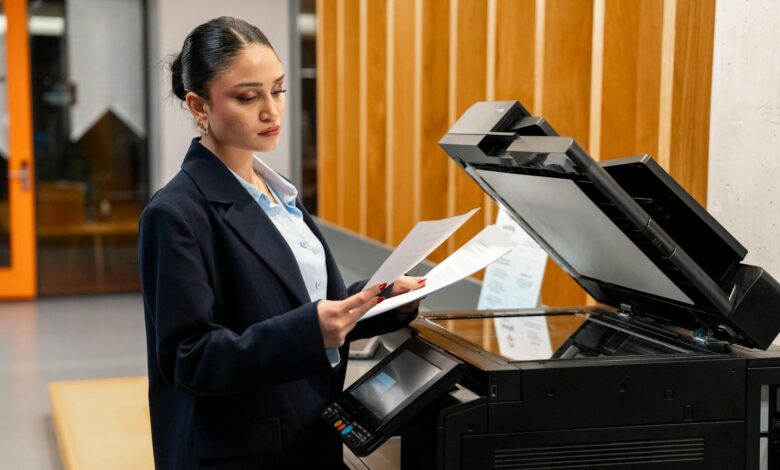
For many businesses, office printers become invisible infrastructure. Teams use them every day without giving them much thought until something suddenly stops working. A printer jams before an important meeting, scanned files fail to upload, toner runs out unexpectedly, or employees waste time waiting beside devices that struggle to keep up with normal workloads.
At first, these issues may seem minor. But for growing businesses, outdated office printers can quietly create significant operational costs over time. Modern companies rely on speed, flexibility, and workflow efficiency more than ever before. Employees move constantly between digital platforms, customer documents, invoices, contracts, onboarding materials, shipping labels, marketing assets, and remote collaboration systems. Even highly digital workplaces still depend heavily on printing and document management behind the scenes. The problem is that many businesses continue using aging equipment that was never designed for modern operational demands.
Small Delays Become Expensive Over Time
One of the biggest hidden costs of outdated printers is lost productivity. When employees repeatedly deal with slow printing speeds, connection failures, scanning issues, or maintenance interruptions, valuable work time disappears throughout the day. Individually, these delays may only last a few minutes. Across an entire office, however, they quickly add up.
Older machines also tend to create additional expenses through:
- higher toner usage
- increased energy consumption
- more repair calls
- paper waste from failed jobs
- greater dependence on IT support
For smaller businesses trying to scale efficiently, these operational inefficiencies can become surprisingly expensive over time.
The issue is especially noticeable in industries where document handling remains central to daily operations, including healthcare, legal services, logistics, finance, education, and administration.
Downtime Affects More Than One Employee
Printer problems rarely impact only a single person. In many offices, shared printing systems support multiple teams simultaneously. When equipment fails, delays can spread quickly across operations, customer service, HR, finance, sales, and management workflows.
For growing businesses operating with lean staffing structures, even short interruptions can create bottlenecks that affect productivity throughout the company. This is one reason many organizations are shifting toward managed print services and more modern office infrastructure solutions.
eCopier Solutions has become increasingly relevant for businesses looking to improve document workflows through printer leasing, multifunction copier systems, managed print services, maintenance support, and long-term cost management. The company works with office technology brands including Kyocera while offering bundled service models that include toner, support, shipping, and equipment maintenance aimed at reducing workflow interruptions for businesses that handle large volumes of documents regularly.
This reflects a broader shift in office technology where businesses increasingly prioritize reliability and service continuity rather than simply purchasing hardware outright.
Office Technology Has Changed Significantly
Modern office printers now function as connected workflow systems rather than simple printing devices.
Businesses increasingly expect office equipment to support:
- mobile printing
- cloud-based document sharing
- remote scanning
- automated workflows
- cybersecurity protections
- digital archiving
- hybrid work environments
Older systems often struggle to integrate smoothly with these expectations. As companies modernize operations, outdated printers can unintentionally slow broader digital transformation efforts. Employees may need extra manual steps to complete tasks that newer multifunction systems handle automatically. This becomes even more important as hybrid work models continue expanding across many industries.
Cybersecurity Risks Are Often Overlooked
Another major issue involving outdated printers is cybersecurity. Modern office printers are network-connected devices capable of storing, transmitting, scanning, and processing sensitive business information. Older systems may lack updated security protections required within modern office environments.
Weak printer security can create vulnerabilities involving:
- unauthorized document access
- unsecured network connections
- outdated firmware
- exposed client information
- compliance concerns
Organizations including the National Cyber Security Centre continue emphasizing the importance of securing connected business infrastructure and maintaining updated office technology systems.
As cyber threats continue evolving, businesses increasingly recognize that printers should be treated as part of overall IT infrastructure rather than isolated office equipment.
Managed Print Services Continue Expanding
Many businesses no longer want the burden of managing printer infrastructure internally. Instead of handling repairs reactively or replacing devices only after failures occur, companies increasingly prefer service-based models that combine:
- equipment leasing
- ongoing maintenance
- toner management
- technical support
- workflow optimization
- predictable monthly costs
This approach often provides more operational stability while reducing unexpected downtime. For small and mid-sized businesses especially, managed print services can simplify operations while making technology costs easier to forecast. The trend also reflects broader business preferences toward subscription-based operational systems rather than fragmented ownership and maintenance models.
Hybrid Work Changed Printing Needs
The rise of hybrid work significantly changed how businesses use office printing systems. Companies now need infrastructure that supports flexible workflows rather than only centralized office printing. Employees may scan documents remotely, print from mobile devices, or access shared digital systems across multiple locations.
Older office printers frequently struggle to adapt to these newer work patterns. Modern multifunction systems, however, are increasingly designed around workflow flexibility, cloud integration, and remote collaboration support. This shift mirrors larger workplace technology trends where businesses prioritize adaptability and operational convenience alongside traditional performance metrics.
Sustainability Is Becoming More Important
Environmental concerns are also influencing office printing decisions. Older printers often consume more energy and generate more waste through inefficient toner usage, failed print jobs, and shorter equipment lifecycles.
Newer systems increasingly focus on:
- energy-efficient operation
- duplex printing
- lower waste output
- optimized toner consumption
- longer-term hardware efficiency
As businesses continue adopting sustainability initiatives, office technology infrastructure has become part of broader operational efficiency conversations. Even relatively small improvements in office equipment efficiency can create meaningful long-term reductions in operating costs and environmental impact.
Businesses Are Becoming More Proactive About Infrastructure
Perhaps the biggest change is that businesses are becoming more proactive about operational infrastructure overall. In previous years, many companies treated printers as basic office equipment that only required attention when something stopped working. Today, however, businesses increasingly recognize how deeply workflow systems influence productivity, employee efficiency, customer experience, and operational stability.
Reliable office technology now plays a much larger role in supporting everyday business performance than many organizations previously realized. As companies continue scaling within increasingly digital and fast-moving environments, outdated printers are becoming harder to justify as long-term infrastructure solutions.
For growing businesses especially, modern office printing systems are no longer simply administrative tools. They are becoming an important part of broader operational efficiency and workplace productivity strategies.