Stainless Steel Sheet Metal Fabrication: Quick Guide
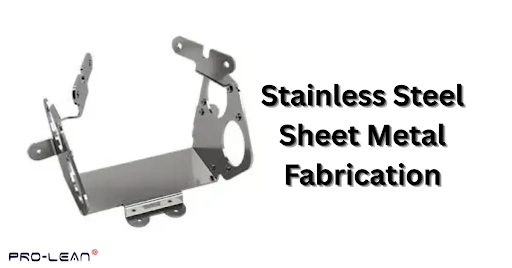
Stainless Steel Sheet Metal Fabrication
Stainless steel sheet metal fabrication requires austenitic grades to cut, form, weld, and finish according to your project needs. Stainless steel sheet metal is popular for its strength and resistance to rust and stains. Stainless steel looks good and is an ideal choice for custom sheet metal fabrication. It is easy to shape and weld. Stainless steel sheet metal is used in many applications, from home appliances to large buildings.
Stainless steel sheet metal is a reliable material in many industries due to its resistance to corrosion and flexibility. Custom stainless steel sheet fabrication from ProleanMFG is an ideal solution. The company’s superior manufacturing process offers a wide variety of customers many benefits in custom fabrication.
Stainless Steel Sheet Metal Fabrication Grades
The 300 alloys series are the ideal types of stainless steel metal fabrication grades. These alloys are also known as aesthetic stainless steel. They have outstanding ductility, are biocompatible, and have high tensile strength. In contrast to standard steel, stainless steel has high nickel and chromium content, making it perfect for corrosion resistance.
Durable Stainless Steel Sheet Material for Industrial Use
Stainless steel sheet metal fabrication at a glance:
Stainless Steel 301
Stainless steel 301 is a less expensive replacement for 304. It is because of the lower content of chromium and nickel, and the higher content of carbon. This adjustment results in less corrosion to the resistance as compared to other stainless steels for sheet metal fabrication. There are various applications for stainless steel 301, including structural parts such as appliance enclosures and trains.
Stainless steel 301 properties:
| Property | Value |
| Max Material Thickness (in) | 0.125 |
| Heat Treatable | No |
| Tensile Strength (Ultimate, PSI) | 85000 – 210000 |
| Fatigue Strength (PSI) | 31000 – 88000 |
| Hardness (Brinell) | 190 – 440 |
| Milled Parts Machinability (AISI Rating) | N/A |
Stainless Steel 304
Stainless steel 304 is the most popular grade of stainless steel. It features an austentric crystal structure. Although 304 and 18-8 stainless steel are frequently mixed up, they differ somewhat in their alloying elements. Its good formability makes it ideal for sheet metal components.
Stainless steel 304 properties:
| Property | Value |
| Max Material Thickness (in) | 0.250 |
| Heat Treatable | No |
| Tensile Strength (Ultimate, PSI) | 84000 – 170000 |
| Fatigue Strength (PSI) | 30000 – 63000 |
| Hardness (Brinell) | 170 – 360 |
| Milled Parts Machinability (AISI Rating) | 40% |
Stainless steel 304 is commonly used in tanks and structural bracketing.
Stainless Steel 316
The 316 stainless steel sheet metal grade carries molybdenum, which ultimately enhances its corrosion resistance. This aesthetic grade of stainless steel is also moldable and weldable.
Sheet Metal Fabrication Process in a Manufacturing Plant
Stainless steel 316 properties:
| Property | Value |
| Max Material Thickness (in) | 0.250 |
| Heat Treatable | No |
| Tensile Strength (Ultimate, PSI) | 76000 – 170000 |
| Fatigue Strength (PSI) | 30000 – 63000 |
| Hardness (Brinell) | 160 – 360 |
| Milled Parts Machinability (AISI Rating) | 36% |
Components like marine equipment and chemical tanks are common applications of 316 stainless steel sheet metal.
Key Benefits of Stainless Steel Sheet Metal Fabrication
Stainless steel sheet metal fabrication has many benefits, such as corrosion resistance, hygiene, reusability, heat resistance, and a bright aesthetic appearance, making it the right metal for your next project.
Corrosion Resistance
The main alloying element that enhances the corrosion resistance qualities of stainless steel. The less alloyed grades can withstand corrosion in a humid environment. But the grades with high alloying can counter corrosion in acidic and chlorine-containing conditions.
Hygiene
Stainless steel has a shiny surface that is easy to maintain. Its corrosion resistance quality increases its lifetime. That’s why stainless steel is used in industries where sterility and hygiene are unavoidable.
Strength-to-Weight Advantage
The stainless steel alloys have a strength-to-weight advantage. The steel is cooled down to room temperature, which strengthens the stainless steel. However, the high duplex grades allow material thickness reduction, resulting in less expense. Engineers can create a reliable structure and parts by reducing the weight with high-strength stainless steel tubing.
Aesthetic Appearance
The shiny surface of the stainless steel gives an attractive appearance. Its sleek look is ensured by a range of surface finishes like polished, brushed, and satin. Designers can provide aesthetic effects in a wide range of applications with stainless steel tubing.
Ease of Fabrication
Stainless steel is easy to cut, bend, weld, and form for many fabrication techniques. The material has exceptional machinability. Hence, it’s an ideal material for creating structures and products in many sectors.
Recyclable
Stainless steel is a recyclable and reusable material. It conserves energy and decreases the demand for raw materials. Stainless steel can be repeatedly recycled without losing its original properties due to its durability.
Heat Resistance
Stainless steel can hold out against higher temperatures without melting and deforming due to its high melting point. It is broadly used in boilers, heat exchangers, heaters, and valves.
Applications of Stainless Steel
Stainless steel sheet metal is widely used in applications such as:
- Medical equipment and carts
- Automotive parts
- Exhaust systems
- Food processing equipment
- Commercial kitchen
- Aircraft components
- Construction materials
Why should you choose stainless steel sheet metal for your project?
Stainless sheet metal is an ideal choice for several reasons for your project.
- Stainless steel sheet metal is well-suited for humid and harsh environments because of its resistance to corrosion and rust.
- The adorable shiny finish of this material is easy to maintain and clean.
- Stainless steel is reusable and recyclable without compromising quality.
- The material is easy to cut, weld, and shape for a variety of purposes.
ProleanMFG offers a variety of surface finishes, like standard, powder coatings, and bead blasting, applicable to stainless steel for sheet metal fabrication. So, if you’re looking for a durable, low-maintenance, and environmentally friendly material for your project, stainless steel is the best option.
Final Note
Stainless steel sheet metal is manufacturing-friendly. It is an ideal choice for production due to its advantageous properties, like durability, corrosion resistance, highly recyclable. The aesthetic stainless steel is well-suited for fabrication. The different surface finishes of stainless steel make it an excellent choice for many uses and make it a perfect material for your project.