Chain Link Fencing in Seattle: Still the Smartest Choice for These Properties
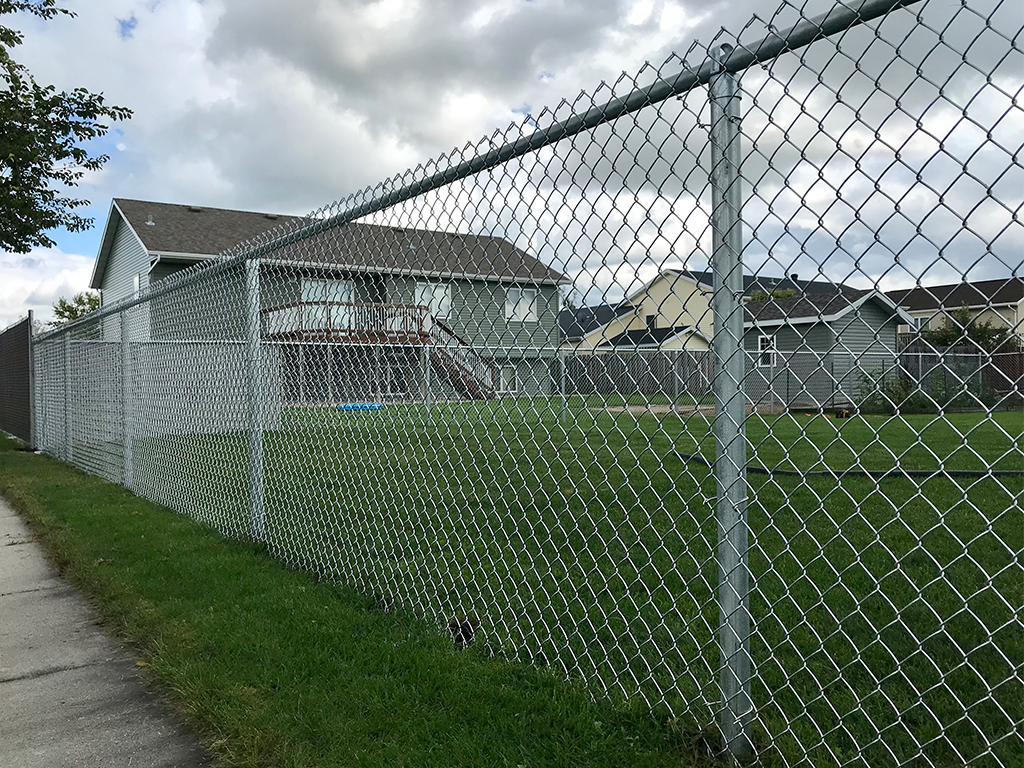
Chain link fencing doesn’t generate excitement. It doesn’t get featured in home design content, it doesn’t show up in before-and-after remodel photos, and it’s not the answer when someone asks what kind of fence will make their Kirkland backyard look beautiful. What chain link is, and what it does better than every other fencing option in specific applications, is quietly practical in a way that makes it genuinely indispensable.
Chain link fence installation in Seattle, WA is far more common than the low-profile reputation of the material would suggest. Dog owners in Ballard who need a large, secure yard. Shoreline homeowners who want to define a property boundary without blocking views or light. West Seattle families with kids who need a safe perimeter without spending $15,000 on privacy fencing. Commercial properties throughout Seattle that need secure, transparent perimeters maintained over long service lives.
In all of these situations, chain link wins on the combination of cost, durability, and function that no other fencing type matches. This post is about when chain link makes the right choice for Seattle properties, what proper PNW specification looks like, and how to make chain link look as good as it can on a residential property.
Why Chain Link Performs Exceptionally Well in Seattle’s Climate
Zero Rot, Zero Swelling, Zero Maintenance Cycles
Wood fencing in Seattle requires maintenance because wood is affected by the climate. Vinyl requires replacement if damaged. Chain link in Seattle’s wet climate simply sits there and performs. The galvanized steel wire is unaffected by moisture, doesn’t swell and warp with seasonal humidity changes, and doesn’t support the biological growth that accelerates wood surface deterioration.
The primary degradation mode for chain link is corrosion — and in Seattle’s climate, chain link specified properly for the application easily outlasts most wood fencing. Vinyl-coated chain link adds a PVC layer over galvanized wire that provides excellent corrosion resistance in the consistently wet conditions PNW weather delivers. A properly installed vinyl-coated chain link fence in Ballard or Shoreline has a practical service life of 30 to 40 years with essentially no maintenance beyond periodic inspection.
This maintenance-free performance is a genuine value in Seattle’s climate where wood fences demand regular attention just to stay in reasonable condition.
Transparency and Light Preservation
Chain link doesn’t block light or air. For Seattle properties where view preservation matters — a Shoreline home with a water view, a Kirkland property bordering greenspace — chain link defines the boundary without blocking what’s behind it. Cedar privacy fencing on the same property line would eliminate the view entirely.
This transparency also means chain link doesn’t trap the moisture and shade that contribute to moss growth in Seattle backyards. Wood privacy fencing creates a shaded, sheltered microclimate on the interior face that stays wetter longer after rain and creates the conditions moss and mildew prefer. Chain link allows airflow and light through the fence line.
Pet and Child Containment in Seattle Yards
This is one of the strongest practical applications for chain link in Seattle. For dog owners in Ballard, West Seattle, and Shoreline who need a secure, durable containment yard, chain link delivers a solution that holds up to the physical demands of active dogs in a way that wood fencing genuinely doesn’t.
Dogs that run fence lines, dig at the base, and push on panels stress fence structures. Chain link with properly anchored posts and tension wire at the bottom handles that stress far better than cedar fence boards. The bottom tension wire prevents the gap-at-the-base condition that dogs exploit, and the steel mesh doesn’t develop the gaps and cracks that appear in aging wood panels.
What Proper Chain Link Specification Looks Like in Seattle
Coating Choice for PNW Conditions
Standard galvanized chain link is adequate for many applications but is the baseline, not the recommendation for Seattle’s consistently wet conditions. Vinyl-coated chain link — typically available in black, green, or brown in addition to silver/galvanized — provides better corrosion resistance and is more visually appealing in residential contexts.
Black vinyl-coated chain link in particular is significantly less visually intrusive than galvanized. The dark color recedes visually, and in a Seattle yard with mature plantings, a black chain link fence nearly disappears against the green. This addresses one of the most common objections to chain link in residential applications — the institutional appearance — more effectively than most people realize before they see it installed.
Post Gauge and Spacing for PNW Wind
Seattle’s wind events are real. Pineapple Express storms bring sustained winds that put significant load on fence structures. Chain link fence posts for Seattle residential applications should be at minimum 1-5/8 inch diameter Schedule 40 for standard 4-foot fences, heavier gauge for 6-foot fences. Post spacing at 10 feet is standard; tighter spacing improves stability in exposed locations.
Terminal posts at corners, gates, and ends of fence runs should be heavier gauge than line posts — these are the load-bearing anchors for the entire tension system, and undersized terminal posts are the most common failure point in chain link installations.
Top Rail and Tension Wire
A top rail running through the fence posts above the chain link fabric prevents the sagging that’s the most visible sign of a deteriorating chain link fence. Top rail is standard for residential chain link and should be specified on any installation where appearance matters.
Tension wire at the bottom of the fence — running below the fabric between posts — prevents the gap condition that develops as chain link fabric lifts from the ground over time. In Seattle’s wet climate where soil heaving and ground-level conditions change with seasons, bottom tension wire is a practical inclusion.
Making Chain Link Work Aesthetically in Seattle
Chain link fence aesthetics are improved significantly by thoughtful plant selection alongside the fence. Seattle’s growing conditions are ideal for fast-growing screening plants — native vine maple, columnar shrubs, climbing roses, or any of the dozens of PNW-native plants that fill in quickly alongside a chain link structure and soften its industrial appearance.
A black vinyl-coated chain link fence with a row of English laurel or climbing hydrangea planted on the property-line side becomes essentially invisible within three to five years as the plants fill in. The fence provides the structure and security; the plants provide the appearance.
Rare Bears Fencing installs chain link fencing in Seattle and throughout the surrounding communities — Ballard, Shoreline, Kirkland, and West Seattle — with proper gauge selection, appropriate coatings for PNW conditions, and installation details that produce fences that perform well for decades.
Frequently Asked Questions
Is chain link fencing a good choice for a Seattle residential yard?
Yes, for the right applications. Dog containment yards, large perimeter fences where budget is a consideration, boundary fencing where view preservation matters, and properties where the fence will be screened by plants are all strong residential chain link applications in Seattle. For privacy-focused applications where appearance is the primary concern, wood or vinyl may be a better fit.
What’s the difference between galvanized and vinyl-coated chain link for Seattle properties?
Galvanized chain link has a zinc coating providing basic corrosion resistance. Vinyl-coated chain link adds a PVC layer that significantly improves corrosion resistance in wet climates and is available in colors (black is most popular for residential use in Seattle) that are more visually appealing than galvanized silver. For Seattle residential applications, vinyl-coated black chain link is typically worth the modest additional cost.
How long does chain link fencing last in Seattle’s rainy climate?
Properly specified vinyl-coated chain link fence in Seattle can realistically last 30 to 40 years with minimal maintenance — far longer than wood fencing in the same conditions. The primary failure modes are post corrosion (addressed by quality galvanized or vinyl-coated posts) and fabric corrosion at cut ends (addressed by proper installation technique). Galvanized-only chain link has a shorter service life in consistently wet conditions.
Can I add privacy slats to chain link fencing in Seattle?
Yes. Vinyl privacy slats that weave vertically through the chain link fabric are available and convert the fence from transparent to semi-private. Black slats in black vinyl-coated chain link create a privacy screen that’s cost-effective and durable. The slats add wind resistance though, so post and fabric gauge should be specified for the additional wind load.
How much does chain link fence installation cost in Seattle?
Residential chain link fence installation in Seattle typically runs $15–$30 per linear foot installed for standard heights (4–6 feet) in vinyl-coated black. Galvanized chain link runs slightly less. Post gauge, gate requirements, and site conditions affect final cost. Chain link is consistently among the most cost-effective fencing options available in the Seattle market.