ABS Injection Molding: The Importance of Choosing the Right Material and an Injection Molding Machine Supplier
Introduction
Manufacturers rely on the precision and consistency of their production processes to drive profitability and maintain a competitive edge. Of all the thermoplastic polymers commercialized in the industry, Acrylonitrile Butadiene Styrene (ABS) is one of the most favored thermoplastics used in the manufacturing of industrial products. ABS is extremely versatile and well balanced in terms of its strength, processability, and resistance to impact.
For manufacturers in the automotive, electronics, consumer goods, and medical sectors, the increase in the demand for durable plastic products has meant that advanced ABS injection molding technologies have needed to be adopted, and that reliable, high-technology, injection molding machine suppliers have needed to be selected, to improve product quality and drive competitiveness.
This article assesses the benefits of ABS injection molding, processing challenges, and the incidence of choosing a supplier on manufacturing success.
What is ABS Injection Molding?
ABS injection molding is the process in which high pressure is used to inject molten ABS polymers into a cavity to manufacture a shaped part. Molding materials that have a combination of acrylonitrile polymers, butadiene, and styrene serve to enhance mechanical properties and surface finish of the resulting polymers.
This surface finish makes injection molded ABS popular for the manufacture of:
Automotive (both interior and exterior) components
Consumer electronics
Industrial machinery and equipment
Household appliances
Medical devices
Recreational devices and toys
Why are ABS Products Preferred with Injection Molding
Great Impact Resistance
Superior strength against impacts and mechanical stress is one of the most favorable characteristics of ABS. ABS is one of the best options for durable products among plastics, including protective housings, casings, and covers as well as automotive dashboards and covers for industrial equipment.
Great Finishing Options
ABS’s excellent surface quality makes it one of the best materials for products that will undergo decoration, painting, or plating. Manufacturers can easily achieve a:
- Textured Surface
- Custom Color
- High-Gloss Finish
- Electroplated Coating
Good Dimensional Consistency
ABS has excellent dimensional stability and helps manufacturers achieve and maintain tight tolerances.
Cost Efficiency
Performing plastic ABS is ideal for both low and high volume production because it has excellent cost performance compared with most engineering grade plastics.
Key Parameters of Successful ABS Injection Molding
ABS has certain processing requirements for successful injection molding.
Moisture Control
Too much moisture in ABS will adversely affect the quality of the product and will cause surface quality defects, voids, and decreased performance of ABS. It is highly recommended that moisture is removed from ABS before manufacturing.
Melt Temperature Control
Too much or too little melt temperatures will impact how ABS smoothly flows during processing and will result in degradation of ABS. Recommended processing temperatures for ABS is in the range of 200°C to 260°C.
Optimizing Mold Temperatures
Temperature balance within the mold can help enhance several properties, such as:
Surface quality
Precision of dimensions
Consistency of cycles
Strength of weld lines
Manufacturers often set their mold temperatures to within the range of 40°C to 80°C.
Injection Pressure and Speed
To achieve the best balance between the filling of the mold and avoiding flash, sink marks, and stresses, proper control of injection speed and pressure is required.
Some sophisticated injection molding machines have advanced controls that help with the molding of parts with complex geometries.
Why Selecting the Right Supplier for Injection Molding Machines is Important
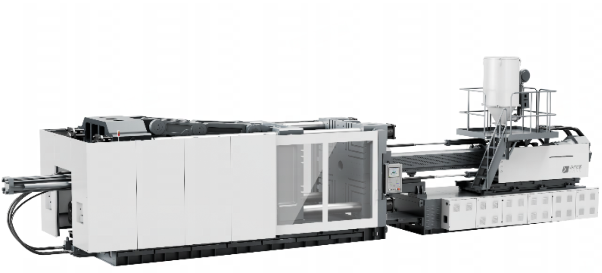
In addition to optimizing the selection of materials, the right machines directly impact the efficiency of production, the quality of the final product, and the overall profitability of the operation.
Benefits of the Right Supplier for Molding Machines
Modern Injection Mold Technology
Advanced injection molding technology allows:
Servo controlled hydraulic systems
Monitoring of processes in real time
Control of temperature with precision
Quality management systems that are fully integrated and automated
Reduced energy consumption
All these technologies help in decreasing the scrap rate and improving the repeatability of the injection molding cycles.
Dependable Technical Assistance
Good manufacturers bring:
Help with setup
Training for staff
Support for maintenance
Provision for spare parts
Help with optimizing the process
All these contribute to a reliable process with low design and setup costs.
Ability to Customize
Various applications of ABS require different machine specifications. The right supplier will help with the best solution given a configuration that matches:
The dimensions of the part
The characteristics of the materials
The expected number of cycles
The complexity of the mold
The required level of automation
Quality machinery can provide:
Less energy consumption
Lower maintenance costs
Higher productivity
Longer lifetime
ABS Injection Molding Industry Growth Factors
More Lightweight Parts
To improve fuel efficiency and decrease emissions, the automotive industry is replacing metal parts with lightweight plastic parts.
ABS is a lightweight plastic with a good strength-to-weight ratio and is a versatile material.
Consumer Electronics Growth
More consumer electronics like smartphones, smart home devices, and other electronics means more demand for ABS plastic housings and components that are precisely molded.
Smart Manufacturing and Automation
The Plastics Industry Association and the Society of Plastics Engineers describe how more manufacturers are using smart technologies from Industry 4.0 for better productivity and control of their processes.
The newer generation of injection molding machines has automation of sensors, analytics, and production maintenance that is done proactively.
How To Get The Best ABS Molding Performance
Use High-Quality Raw Materials
Good, consistent materials help reduce defects and help improve stability.
Use Proper Machine Settings
The molding machine must be consistently calibrated and set to the same parameters.
Have Good Employees
Good, skilled, trained employees help optimize and maintain production.
Use a Good Supplier
An injection molding machine supplier that is established and uses modern technology helps provide good, consistent, and optimal equipment and the needed support.
Conclusion
With superb impact strength, dimensional stability, appearance, and cost-effective processing, ABS remains one of the most popular engineering thermoplastics. The successful ABS injection molding process requires both the correct material and the appropriate advanced technology and processing methods.
The right partner providing injection molding machines can help manufacturers reduce costs, improve efficiency and quality, and have a competitive advantage in a challenging global marketplace. Companies focused on the modernization of their molding solutions to keep up with the progress of automation and smart manufacturing will have a greater chance of achieving successful outcomes in the long term.