How to Optimize Your Circadian Rhythm for Better Energy and Sleep
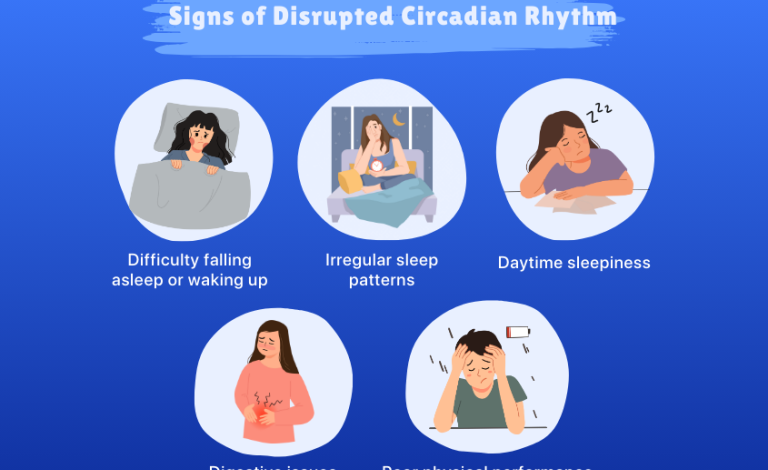
It’s a balancing act in our busy world these days to keep up the energy throughout the day and to relax at night. We work at an office all day, under artificial lighting, with screen after screen, and then wonder why some of us have trouble sleeping when the lights go out at night. It is not always due to a lack of willpower — it’s just a problem with your internal clock.
Your body uses natural environmental signals to know when it’s time to be awake and when it’s time to be awake. Without these cues to follow, your day becomes a bit out of sync, and the afternoon drowsiness and sleeplessness at night can make you feel like you’re having trouble getting through your day. Fortunately, resetting your body clock doesn’t involve a major life change. A few deliberate changes in your lifestyle can allow you to naturally align your body with its best cycle.
Understanding Your Internal Clock
There is a built-in clock in every human body which runs on a 24-hour cycle – the circadian rhythm. This system controls your body’s functions, including your hormones, temperature, digestion, and sleep-wake cycles.
Our forefathers used to rise with the sun and go to bed at night. Today, however, the world is illuminated constantly. The brain is unable to distinguish between day and night, and this can lead to confusion. These natural cues must be consciously brought back into the modern day and age if you want your internal clock to run smoothly. The thing that you have that can help you achieve this balance is light.
The Power of Morning Light Exposure
The most effective way to set your daily clock is to introduce bright light to the eyes upon waking. You’ll remember that when bright light falls on certain receptors in your eyes, your brain will know that the day has started. This natural-sounding trigger inhibits the release of sleep hormones and releases cortisol, which provides a natural and ‘non-jittery’ jolt of daytime energy.
The best time of the day to stroll outside is 10-15 minutes immediately after waking. But with the changing seasons, dark winter mornings, and hectic work days, it can be very challenging. In the case of cloudy days or during the gloomiest days of the year, using an innovative blue light therapy device can be a great alternative. Whether you’re reading your morning emails or starting your day at the breakfast table, a portable light box like Luminette can provide the morning light your body needs, and do so perfectly – no matter the weather outside.
4 Practical Steps to Master Your Daily Routine
It’s not only the morning that matters, but the entire day as well, in order to optimize it to support energy and sleep. It is a full-day practice. This is how you can plan your day for optimum health.
1. Simplify Your Morning Wake-Up Call
Consistency is key to a healthy sleep-wake cycle. Go to bed at a similar time each day, including weekends. Sleeping in on a Sat night may seem like a luxury, but it causes a phenomenon called ‘social jetlag’ which makes Monday morning that much more difficult. Make sure you are consistent with the time you get up, and then you are exposed to light directly after you get up, reinforcing this routine.
2. Take Smart Movement Breaks
Exercise is also a great signal to your body clock. Don’t wait until the end of the day to do all your exercise at a late evening when you’re feeling the most tired. Take a quick walk around your lunch break for a double dose of exercise – get your blood flowing and get some natural midday sunshine to help you push through the afternoon slump.
3. Establish a Caffeine Curfew
The espresso you have at 3:00 PM may help you get the job done, but it may also deprive you of some rest later tonight. The half-life of caffeine is approximately 5 to 6 hours, well into the evening. Consider a caffeine deadline that is at least 6 hours (preferably 8 hours) before bedtime. Replace the afternoon coffee with herbal teas or infusions of water.
4. Create a Tech-Free Wind-Down Hour
Darkness tells your brain to get ready for sleep, as does bright light. Smartphone, tablet, and TV screens emit blue light in the evening, which fools your brain into believing it’s still daytime.
Overcoming Seasonal Sluggishness
Lots of people feel their mood balance and daily energy drop substantially in the late fall and winter. In the winter months with shorter days and grey skies, our bodies seek to hibernate. This ‘winter tiredness’ is the direct result of insufficient exposure to natural light.
When it is dark outside, and you’re not getting out of bed, you’re not the only one. This is where lifestyle technology is of great value. If you want to add a light-producing visor to your winter morning ritual, a light-emitting visor such as Luminette can provide the wavelengths you’re looking for. It’s a step-by-step, hands-free method for keeping summer levels all year round and is great for making breakfast, brushing your teeth, or reading the news.
Consistency is the Key to Lasting Energy
Changing your lifestyle is not an easy task; it takes time. You need time to get used to new habits. First of all, choose one or two changes for this week (such as setting your wake-up time in the morning, or even a digital sunset at night).
If you give your body the proper signals at the proper times, you will be more alert during the day and drift off to sleep more easily at night. Heed to your body, embrace natural light, and savor the revitalizing vitality of a perfectly balanced lifestyle.