Custom Landscape Ideas for Small and Large Yards
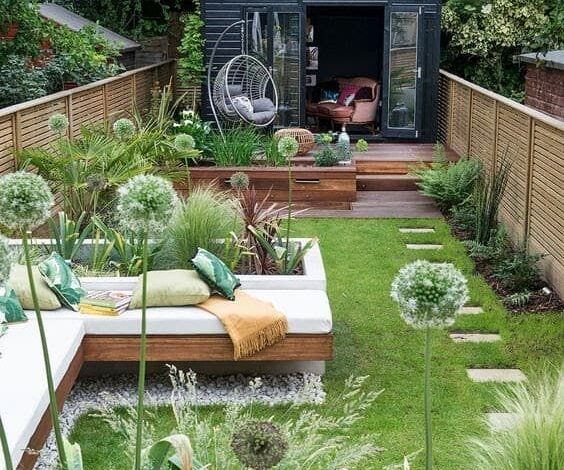
Every yard has the potential to become a comfortable and attractive outdoor space. A small yard can feel open and organized with the right layout, while a large yard can become more practical when it is divided into useful areas. The key is to design the landscape around the size of the property, the needs of the household, and the local environment. Professional landscaping companies can help homeowners create outdoor spaces that match their lifestyle. A custom plan may include plants, walkways, patios, lighting, garden areas, shade structures, or water-saving features. Each element should have a clear purpose and fit naturally into the available space. Whether a property has a narrow side yard, a compact backyard, or a large open area, thoughtful landscaping can improve its beauty, comfort, and function.
Start With a Clear Landscape Plan
A successful landscape begins with a clear plan. Before selecting plants or materials, homeowners should think about how they want to use the space. Some people want a quiet place to relax, while others need an area for children, pets, outdoor dining, or entertaining. The amount of maintenance a homeowner is willing to do should also be considered. A landscape plan should identify sunny and shaded areas, slopes, drainage concerns, and existing features. It should also include clear pathways between important parts of the property. Planning first can help prevent overcrowding, poor plant placement, and unnecessary expenses. A clear design makes it easier to create a yard that remains useful as plants grow and the household’s needs change.
Use Vertical Features in Small Yards
Small yards often have limited ground space, so vertical landscaping can be a useful solution. Walls, fences, trellises, and raised structures can provide extra space for plants without making the area feel crowded. Climbing plants can add color and texture to a plain fence. Wall-mounted planters can hold flowers, herbs, or small plants. Tall and narrow shrubs may also provide privacy without taking up too much room. Vertical features can draw the eye upward, which may make a small yard feel larger. They can also hide unattractive views or create a more private setting. A carefully planned vertical garden adds visual interest while keeping the main ground area open for seating or movement.
Choose Multi-Purpose Features
Every feature in a small yard should provide as much value as possible. Multi-purpose elements can make the area more useful without filling it with too many items. A raised garden bed may also serve as a seating edge. A storage bench can provide a place to sit while holding outdoor tools, cushions, or children’s toys. A low retaining wall may support a slope and offer extra seating during gatherings. Homeowners can also choose folding furniture or compact tables that are easy to move. These options allow the space to change depending on the activity. Flexible features help a small yard support relaxation, dining, gardening, and entertaining without feeling cluttered.
Create Clear Zones in Large Yards
Large yards can sometimes feel empty or disconnected. Dividing the property into different zones can make it more organized and easier to use. One area may include an outdoor dining space, while another can provide room for children or pets. A quiet corner can become a garden, reading area, or fire feature. Open lawn areas can be used for games, events, or everyday activities. Walkways can connect each section and create a natural flow through the yard. Changes in materials, plants, or elevation can also help define separate areas. Clear zones make a large yard feel more complete. They also give every part of the property a purpose instead of leaving wide areas unused.
Add a Comfortable Outdoor Living Area
Outdoor living spaces can be created in both small and large yards. A simple patio with comfortable seating may be enough for a compact property, while a larger yard may include dining, cooking, and lounge areas. Shade is an important part of a comfortable outdoor space. Trees, covered patios, pergolas, or large umbrellas can protect people from direct sunlight. Outdoor lighting can make the area safer and more inviting during the evening. The design should match the size of the yard. Large furniture can overwhelm a small patio, while very small pieces may look out of place in a wide area. A well-sized outdoor living area gives homeowners another place to relax, gather, and enjoy their property.
Select Plants That Fit the Space
Plant selection should be based on more than color and appearance. Homeowners should consider the mature size of each plant, along with its sunlight, soil, and water needs. Large trees or spreading shrubs may quickly overcrowd a small yard. Compact plants, narrow trees, and controlled ground covers are often better choices for limited spaces. Larger yards may have room for shade trees, layered garden beds, and wider plant groupings. Utah has hot summers, cold winters, and dry conditions in many areas. Plants that can handle the local climate may require less water and replacement. A professional landscape company in Utah homeowners work with can recommend plants that fit the yard and provide lasting beauty throughout the seasons.
Use Curved Lines to Soften Large Spaces
Curved walkways and garden beds can add movement and visual interest to a large yard. Straight lines may work well for formal or modern designs, but curves can make wide outdoor areas feel more natural and inviting. A curved path can guide visitors through garden areas, around trees, or toward a patio. Rounded garden beds can break up large areas of grass and create space for different plants. Curves should be gentle and practical. Paths that turn too sharply may be difficult to walk on or maintain. Well-planned lines help connect different areas and make a large landscape feel balanced rather than empty.
Add Depth to Small Spaces
Small yards can appear larger when the design creates a sense of depth. One way to achieve this is by placing larger plants near the edges and smaller plants closer to viewing areas. Using different plant heights can also make the space feel layered. Low ground covers, medium shrubs, and taller narrow plants can create visual variety without using too much ground space. A path that becomes slightly narrower toward the back of the yard may make the area appear longer. Mirrors can sometimes be used on covered walls to reflect light and greenery, but they should be placed carefully for safety. Layered planting and thoughtful placement can make a compact outdoor area feel more detailed and open.
Include Water-Saving Landscape Features
Water-efficient landscaping is useful for yards of every size. Drip irrigation can deliver water directly to the roots of plants, while properly placed sprinklers can reduce waste on lawns. Mulch helps soil hold moisture and can limit weed growth. Decorative gravel, stone, and drought-tolerant ground covers can reduce the amount of grass that needs regular watering. Large yards may benefit from dividing irrigation into separate zones. Trees, lawns, shrubs, and flower beds often require different watering schedules. Small yards can use compact irrigation systems that target specific planting areas. Experienced landscaping companies can help create a watering plan that supports healthy plants while avoiding unnecessary water use.
Improve Privacy With Plants and Structures
Privacy can make an outdoor space feel more comfortable. Small yards may benefit from narrow shrubs, trellises, decorative screens, or fencing. These features can block nearby views without making the space feel closed in. Large properties can use rows of trees, layered plantings, garden walls, or raised beds to create private sections. Plants can also reduce noise and soften the appearance of fences or property boundaries. Privacy features should be placed carefully so they do not block important sunlight or airflow. The mature size of plants should also be considered before planting. A well-designed privacy screen creates a more peaceful setting for relaxation and family activities.
Add Lighting for Safety and Atmosphere
Outdoor lighting can improve both the appearance and safety of a landscape. Path lights can guide people along walkways, while step lights can reduce the risk of falls. Accent lights may be used to highlight trees, garden beds, walls, or other landscape features. Soft lighting around a patio can create a comfortable atmosphere for evening meals and gatherings. Small yards usually need fewer lights, and overly bright fixtures can make the space feel harsh. Large yards may require several lighting zones to cover walkways, entrances, and outdoor living areas. A balanced lighting plan allows homeowners to enjoy the yard after sunset without creating unnecessary brightness.
Consider Maintenance Before Choosing Features
A beautiful landscape should also be practical to maintain. Large lawns, complex garden beds, and fast-growing plants may require regular care. Homeowners should choose features that match the time and effort they can provide. Low-maintenance plants, automatic irrigation, durable patios, and simple garden borders can reduce ongoing work. Proper plant spacing may also prevent overcrowding and frequent trimming. Small yards can become difficult to manage when too many plants or decorations are added. Large yards may require a simpler layout to keep maintenance reasonable. A realistic maintenance plan helps the landscape stay attractive without becoming a burden.
Create a Landscape That Fits Your Yard
Custom landscaping can improve any property, regardless of its size. Small yards benefit from vertical planting, flexible furniture, layered designs, and multi-purpose features. Large yards can become more useful with clear zones, connected walkways, shade trees, and defined outdoor living areas. The best landscape designs consider the property’s shape, local climate, water needs, and the homeowner’s lifestyle. Every plant and feature should support the appearance or function of the space. Working with professional landscapers can help homeowners avoid design mistakes and make better use of their property. A carefully planned landscape can turn a small area into a comfortable retreat or transform a large yard into an organized space for relaxing, entertaining, and everyday living.