Old Locks, Lost Keys, and Security Risks: When It’s Time to Call a Professional
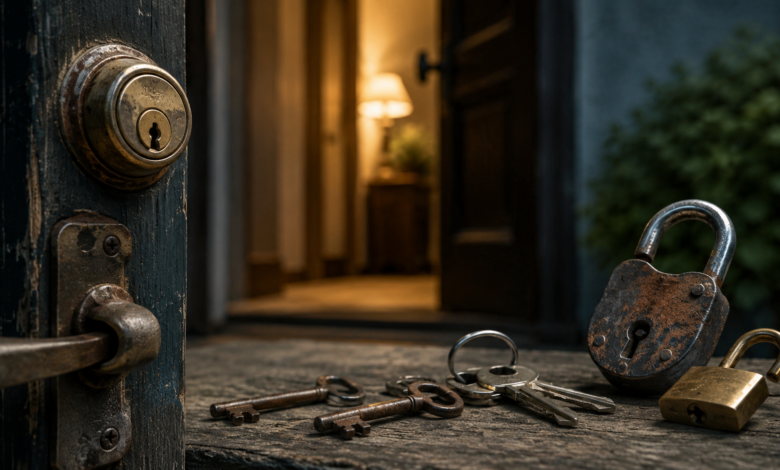
Locks are designed to provide security, but they do not last forever. Years of daily use, weather exposure, damaged keys, and internal wear can gradually reduce their reliability. A lock may continue working even when it is already showing signs of failure, leaving homeowners and business owners unaware of a growing security risk.
Knowing when to call a professional locksmith can prevent emergency lockouts, protect your property, and stop a small mechanical problem from turning into an expensive repair. Whether you are dealing with an old deadbolt, missing keys, or a door that no longer locks properly, early action is usually the safest choice.
Your Lock Is Becoming Difficult to Operate
A properly functioning lock should open and close smoothly. You should not have to shake the key, push against the door, or apply excessive force to turn the cylinder.
Difficulty operating a lock may be caused by:
- Worn internal components
- Dirt or debris inside the keyway
- A bent or damaged key
- Door and frame misalignment
- Rust or moisture damage
- Years of repeated use
Continuing to force a stiff lock can cause the key to snap or damage the internal mechanism. If the problem happens regularly, professional inspection is more sensible than waiting for the lock to stop working completely.
Your Keys Have Been Lost or Stolen
Losing a key creates more than an access problem. It may also create a security concern, especially when the key was lost with identification, paperwork, or anything showing the property address.
You may not know whether the key was simply misplaced or picked up by someone else. In either case, relying on the same lock means the missing key could still provide access.
A locksmith may recommend rekeying the lock so the old key no longer works. Rekeying changes the internal configuration while allowing the existing hardware to remain in place.
Full replacement may be more appropriate if the lock is already old, damaged, or no longer provides adequate protection.
The Lock Is Loose or Moving
A loose lock, handle, or deadbolt should not be dismissed as a minor inconvenience. Movement can indicate loose screws, damaged mounting points, or worn internal parts.
Warning signs include:
- The lock shifts when the key turns
- The handle pulls away from the door
- The deadbolt feels unstable
- The strike plate moves inside the frame
- Screws repeatedly become loose
A lock that is not securely attached may fail to engage properly. It can also make the door more vulnerable to forced entry.
Tightening visible screws may provide a temporary fix, but recurring movement usually needs professional attention.
The Door and Deadbolt No Longer Align
If you need to lift, pull, or push the door before the deadbolt will engage, the door may have shifted out of alignment.
Possible causes include:
- Loose or worn hinges
- Changes in humidity
- A settling structure
- A warped door
- An incorrectly positioned strike plate
- Damage to the frame
Forcing the deadbolt into place places unnecessary pressure on the locking mechanism. Over time, this can damage the bolt or prevent the lock from working altogether.
A locksmith can inspect the complete entry point and determine whether the strike plate, hinges, frame, or lock needs adjustment.
Your Locks Are Old or Outdated
A lock does not need to be visibly broken to justify replacement. Older hardware may continue operating while offering less protection than newer options.
It may be time to review your locks if:
- You do not know when they were installed
- The exterior finish is badly corroded
- Keys have become difficult to duplicate
- The lock has been repaired several times
- The property still uses basic or low-security hardware
- The lock no longer fits your current security needs
Property owners looking for help with aging hardware, lost keys, or urgent access problems can visit https://absolutelylocksmith.com to explore professional locksmith services.
A locksmith can determine whether an older lock can be repaired, rekeyed, or should be replaced with more dependable hardware.
A Key Has Broken Inside the Lock
Keys can weaken over time, particularly when they are bent, cracked, or used in a stiff lock. When a key breaks inside the cylinder, attempting to remove it without the proper tools may push the fragment deeper.
Avoid using knives, glue, pliers, or other improvised tools. These methods may damage the keyway or make professional extraction more difficult.
A locksmith can remove the broken piece, inspect the cylinder, and determine why the key failed. The lock may need cleaning, repair, rekeying, or replacement depending on its condition.
You should also inspect other copies of the same key. If they are worn, have new duplicates made before another one breaks.
You Have Recently Moved Into the Property
Receiving keys from a former owner, tenant, landlord, or property manager does not guarantee that every copy has been returned.
Duplicate keys may still be held by:
- Former residents
- Contractors
- Cleaning staff
- Neighbors
- Real estate professionals
- Maintenance workers
- Friends or relatives of previous occupants
Rekeying after moving helps establish clear access control. The existing keys stop working, and the current residents receive a new set.
This is one of the simplest ways to make a new home feel secure from the first day.
Someone Has Moved Out or Left the Business
Access should be reviewed whenever a tenant, roommate, employee, contractor, or household worker leaves.
Even if the person returns their key, additional copies may exist. Rekeying can prevent future access without requiring the replacement of every lock.
For businesses, a locksmith may also recommend:
- Updating master-key systems
- Removing electronic access permissions
- Changing keypad codes
- Reviewing restricted areas
- Replacing locks on sensitive rooms
Good access control means knowing who can enter the property—not merely assuming every old key has been returned.
The Lock Was Damaged During an Attempted Break-In
Any lock that shows signs of tampering should be inspected immediately. Even if it still turns, internal damage may have weakened its ability to protect the door.
Signs of attempted entry can include:
- Scratches around the cylinder
- Bent or cracked hardware
- A damaged strike plate
- Splintering around the frame
- New looseness in the lock
- Marks caused by prying or drilling
A locksmith can assess whether the lock remains dependable and recommend stronger hardware where necessary.
The surrounding door and frame should also be checked. A new lock installed on a damaged frame may still provide poor security.
Your Smart Lock Is Unreliable
Electronic and smart locks offer convenience, but they require maintenance just like mechanical locks.
Common problems include:
- Delayed locking or unlocking
- Repeated battery warnings
- Keypads that miss entries
- Connection failures
- Unrecognized access codes
- Motors that sound strained
- Mobile apps failing to communicate with the lock
Replacing the batteries and updating the software may resolve simple issues. However, continued failure may indicate a mechanical, electrical, or alignment problem.
Always maintain a reliable backup method, such as a physical key or emergency power option. Technology is useful, but it has an unfortunate habit of developing opinions when you are already late.
You Have Experienced Repeated Lockouts
One accidental lockout may be simple human error. Repeated lockouts can point to a larger problem with the lock, key, door, or household access plan.
Frequent issues may result from:
- A self-locking door
- A key that only works intermittently
- Poorly distributed spare keys
- A failing smart lock
- A door that does not close correctly
- Worn locking hardware
A locksmith can address the mechanical problem and suggest practical ways to reduce future lockouts, such as rekeying, creating reliable spare keys, or installing a keypad system.
When Repair Is Better Than Replacement
Not every lock problem requires new hardware. Repair may be appropriate when the lock is structurally sound and the issue is limited.
A professional may be able to:
- Clean the cylinder
- Adjust the strike plate
- Tighten loose hardware
- Extract a broken key
- Replace a damaged component
- Correct door alignment
- Rekey the existing lock
Repairing a quality lock can be more economical than replacing it. However, repeated repairs on old or severely worn hardware may not be worthwhile.
When Full Replacement Makes More Sense
Replacement may be the safer option when:
- The lock has been physically damaged
- Internal components are severely worn
- The hardware is outdated
- The lock has failed more than once
- The property needs stronger security
- Repair costs approach the cost of replacement
- You want smart or keyless access
A locksmith should explain why replacement is recommended and provide options suited to the door, property, and budget.
How to Reduce Future Lock and Key Problems
A few basic habits can extend the life of your locks and reduce emergency calls.
Consider the following:
- Replace bent or worn keys promptly
- Avoid forcing stiff locks
- Check exterior hardware regularly
- Address loose hinges and misaligned doors
- Replace smart-lock batteries early
- Keep spare keys with trusted people
- Rekey after moving or losing keys
- Schedule repairs when warning signs first appear
Preventive maintenance is usually faster, cheaper, and less stressful than dealing with complete lock failure.
Conclusion
Old locks, lost keys, and unreliable hardware should never be ignored. A lock may appear functional while already becoming vulnerable to failure or unauthorized access.
Calling a professional early allows you to address worn parts, restore access control, and decide whether repair, rekeying, or replacement is the best solution. The goal is not simply to make the key turn again—it is to ensure that your home, vehicle, or business remains properly secured.
Locks tend to fail at inconvenient times. Paying attention to the warning signs lets you solve the problem on your schedule instead of the lock’s.