The Ultimate Buyer’s Guide to Custom Pallets Sale: Sizes, Materials, Load Ratings, and Lead Times
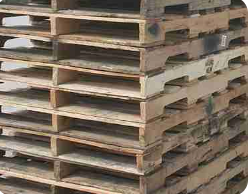
For operations managers, procurement specialists, and logistics coordinators, the pallet is rarely considered a strategic purchase until something goes wrong. A shipment is damaged because the pallet deflected under load. A warehouse rack inspection fails because the pallet dimensions are inconsistent with the racking system. A production line slows because pallet deliveries arrive in mixed sizes that don’t align with automated conveyor widths. These are not exceptional scenarios. They happen regularly in facilities that rely on standard off-the-shelf pallets when their actual operations require something more deliberate.
The decision to source pallets through a custom specification rather than accepting whatever is available on the spot market is often made after an incident, not before one. This guide is written for buyers who want to make that decision proactively. It covers what actually separates custom pallets from standard inventory, how materials and construction methods affect performance, what load rating information means in practice, and how lead time variables should factor into procurement planning.
What a Custom Pallets Sale Actually Involves
A custom pallets sale is not simply the purchase of a pallet in an unusual size. It is a transaction that begins with a defined specification — one that accounts for the product being carried, the handling environment, the storage system, and the transportation method. When buyers approach a supplier through a custom pallets sale inquiry, they are initiating a manufacturing or configuration process rather than pulling from existing stock. That distinction matters because it affects pricing, minimum order quantities, production scheduling, and quality consistency across the entire order.
Custom pallet specifications typically address deck board spacing, stringer configuration, block versus stringer construction, overall dimensions, entry type (two-way or four-way), and surface treatment requirements. Each of these variables connects directly to how the pallet performs in a real operational environment. A pallet with improper deck board spacing may not support a load uniformly, causing product damage. A pallet with the wrong entry configuration may not be compatible with the forks used in a specific facility. These are functional engineering considerations, not aesthetic preferences.
Buyers who understand these variables before engaging a supplier are better positioned to receive accurate quotations, realistic lead times, and pallets that actually perform as intended from the first delivery.
Why Standard Pallets Fall Short in Specialized Environments
Standard pallets are designed around the most common use cases. They work well when products, handling equipment, and storage systems are aligned with those common parameters. When any one of those factors deviates from the norm, the standard pallet becomes a liability rather than a neutral component.
Automated handling systems are a clear example. Many conveyor and robotic picking systems are calibrated to specific pallet footprints. Introducing pallets with slightly different dimensions — even by a small margin — can cause misalignment, jamming, or sensor errors. In cold chain environments, standard wood pallets may absorb moisture and warp over time, compromising load stability in a way that isn’t immediately visible but becomes apparent during transit. In pharmaceutical or food-grade operations, wood pallets may not be permitted at all, requiring materials that meet specific hygiene and contamination standards.
The cumulative cost of using an ill-fitting pallet — in product damage, equipment wear, non-conformance findings, and operational interruptions — often exceeds the cost differential between standard and custom pallets when measured over a full operating cycle.
Material Options and What They Mean for Performance
Pallet material selection is one of the most consequential decisions in a custom specification. The material determines not only structural capacity but also weight, chemical resistance, hygiene compliance, recyclability, and compatibility with different handling and storage environments. There is no universally superior material. Each option carries trade-offs that must be evaluated against the specific operational context.
Wood Pallets: Flexibility With Conditions
Wood remains the most widely used pallet material globally, and for most general industrial and distribution applications, it offers a practical combination of load capacity, repairability, and cost. Hardwood species provide higher density and resistance to compression, making them better suited for heavy loads. Softwood species are lighter and less expensive but may require closer inspection over time for surface damage.
Heat treatment is a regulatory requirement for wood pallets moving in international trade, as specified under the International Standards for Phytosanitary Measures No. 15, which governs wood packaging material used in cross-border shipments. For domestic operations, heat treatment is not always mandatory but may be required by specific customers or industries. Buyers sourcing custom wood pallets for export markets need to confirm that their supplier holds the appropriate certification and stamps each pallet accordingly.
Moisture content in wood pallets is a factor that is often overlooked at the point of purchase but becomes relevant in controlled environments. Pallets with high moisture content can introduce humidity into cold storage, damage moisture-sensitive goods, or cause mold growth during extended storage periods.
Plastic Pallets: Consistency at a Higher Entry Cost
Plastic pallets are manufactured to consistent dimensional tolerances that wood cannot reliably match. This consistency makes them well-suited for automated systems, closed-loop supply chains, and environments where dimensional variability would cause downstream problems. They do not absorb moisture, cannot harbor pests, and are easier to sanitize, which explains their prevalence in food processing, pharmaceutical distribution, and cleanroom applications.
The trade-off is upfront cost and a different failure mode compared to wood. While wood pallets can be repaired after damage, plastic pallets that crack or deform under impact often require full replacement. Buyers in rental or pooling arrangements may find plastic pallets economically viable over a long service life, but operations with higher rates of pallet loss or damage may find the economics less favorable.
Composite and Engineered Materials: Targeted Applications
Composite materials, including pressed wood fiber, corrugated structural boards, and reinforced polymer blends, occupy a middle ground between traditional wood and solid plastic. They are frequently used when weight reduction is a priority, when load capacity requirements are moderate, or when specific regulatory requirements exclude both traditional wood and standard plastics. These materials are less common in heavy industrial applications but are well-established in retail distribution, electronics logistics, and export packaging where weight contributes directly to freight cost.
Load Ratings and Structural Capacity
Load rating terminology in the pallet industry reflects three distinct conditions: static load capacity, dynamic load capacity, and racking load capacity. These are not interchangeable, and misapplying them is a frequent source of pallet failure and product damage in warehouse environments.
Understanding the Three Capacity Conditions
Static capacity refers to the maximum load a pallet can support when placed directly on a flat, solid surface and left undisturbed. This is the highest of the three ratings because the load is evenly distributed and there is no movement-induced stress.
Dynamic capacity refers to the load a pallet can carry while being moved by a forklift, pallet jack, or other handling equipment. Movement introduces vibration, minor impact, and uneven load distribution across the forks. Dynamic capacity is consistently lower than static capacity for the same pallet design, and buyers who size their pallets to static capacity alone may be operating outside the pallet’s safe performance range during normal handling.
Racking capacity is the most restrictive of the three. When a pallet is placed on rack beams with an unsupported span in the middle, the load is concentrated at the contact points rather than distributed across the entire deck. This creates bending stress in the pallet. A pallet that performs well on the floor may deflect significantly or fail entirely on racking. Buyers specifying pallets for rack storage need to communicate their rack beam span dimensions and load weights when requesting custom specifications.
Lead Times and Procurement Planning
Lead times for custom pallets vary based on material type, construction method, order volume, and supplier capacity at the time of order. Unlike standard pallets, which may be available for immediate dispatch from stock, custom orders require production scheduling that cannot always be compressed without quality trade-offs or added cost.
Variables That Affect Production Scheduling
Wood custom pallets generally have shorter lead times than plastic or composite pallets because the raw materials are more broadly available and the fabrication process is less equipment-intensive. However, lumber supply variability, treatment scheduling, and drying time requirements can extend timelines beyond initial estimates. Buyers with seasonal demand peaks or project-based requirements should factor buffer time into their procurement cycle.
Plastic custom pallets typically involve mold tooling, particularly for non-standard configurations. If a buyer requires a footprint or deck design that does not already exist in a supplier’s tooling library, the tooling fabrication phase alone can add significant time before production begins. This is a one-time cost and timeline extension, but it must be planned for in advance.
Aligning Lead Times With Operational Needs
Procurement teams that treat custom pallets as a just-in-time purchase often find themselves forced into compromises — accepting available stock that doesn’t fully meet their requirements, paying premium rates for expedited production, or experiencing gaps in supply that create downstream handling problems. Building custom pallet lead times into procurement calendars with the same discipline applied to other engineered components reduces these risks substantially.
• Identify anticipated order volumes and frequency before engaging suppliers, as consistent volume commitments often reduce both unit cost and production scheduling uncertainty.
• Confirm whether the supplier holds current heat treatment certification if pallets are destined for export shipments requiring compliance with international phytosanitary standards.
• Request full dimensional tolerances and construction specifications in writing before finalizing any purchase agreement, so that incoming inspections can verify conformance.
• Clarify whether minimum order quantities for custom specifications are negotiable based on repeat business commitments or blanket purchase arrangements.
• Establish a communication protocol for lead time updates, particularly for first-time custom orders where tooling or material sourcing may introduce variability.
Closing Considerations for Buyers
Sourcing custom pallets is a decision that rewards preparation. Buyers who arrive at a supplier conversation with a clear understanding of their load requirements, handling environment, storage configuration, and regulatory obligations are far more likely to receive a specification that performs reliably from the first delivery. Those who approach the process without that groundwork often end up with pallets that technically meet the order as placed but fall short in actual use.
The gap between a pallet that works and a pallet that works consistently across thousands of cycles in a real facility is defined by the specificity of the original specification. Material selection, construction method, load rating application, and lead time planning are not independent decisions — they interact with each other and with the operational environment in ways that only become visible once the pallets are in active use.
For procurement teams managing high-volume, high-consistency requirements, the investment in a well-defined custom specification process pays returns that extend well beyond the initial purchase. Fewer incidents, more predictable handling performance, and better alignment with storage and transportation systems all contribute to a more stable operational baseline. That outcome begins with asking the right questions before placing the order, not after the first shipment arrives.