Who Can Assess Heel Pain Caused by Walking, Running or Sports?
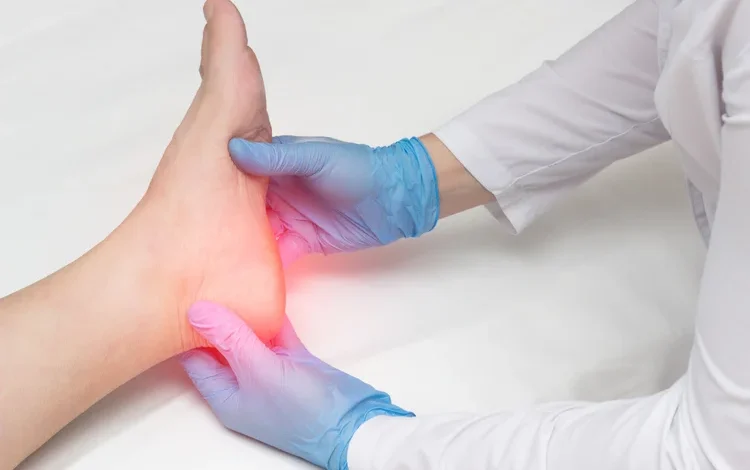
Heel pain can begin in different ways. It may appear after increasing your running distance, spending long hours on your feet, starting a new sport or simply walking more than usual.
Persistent heel pain in Singapore may be linked to several structures, including the plantar fascia, Achilles tendon or heel bone. The location of the discomfort and how it responds to activity can help determine which type of assessment may be appropriate.
The challenge is that heel pain is not a single condition. Pain under the heel may have a different cause from pain at the back of the heel, while discomfort that appears during running may need to be assessed differently from pain that is strongest during the first few steps in the morning.
Depending on the symptoms, assessment may involve a primary care doctor, physiotherapist, podiatrist or orthopaedic specialist.
Start With Where the Heel Hurts
The location of pain can provide an early clue about which structure may be involved.
Pain Under the Heel
Pain underneath the heel is commonly associated with the plantar fascia, a strong band of tissue that supports the arch of the foot.
Plantar fascia-related pain often feels worse:
- during the first few steps after waking
- after sitting for a long time
- after prolonged standing
- after an increase in walking or running
Pain at the Back of the Heel
Pain behind the heel may involve the Achilles tendon or the area where the tendon attaches to the heel bone.
It may become noticeable during:
- running
- hill training
- jumping
- court sports
- repeated calf raises
Pain Deep Inside or Around the Heel
Deep, localised pain may sometimes raise concern about bone stress, particularly after a sudden increase in training volume.
This type of pain may become progressively worse with impact activity rather than easing after warming up.
Who Might Be Involved in Assessing Heel Pain?
There is no single healthcare professional who is appropriate for every case.
Primary Care Doctor
A primary care doctor may be a suitable first point of contact for mild or newly developed heel pain.
Assessment may help rule out obvious injuries, review the symptom pattern and determine whether further evaluation is needed.
This may be appropriate when:
- the pain is recent
- there has been no major injury
- walking is still possible
- symptoms are mild to moderate
Physiotherapist
A physiotherapist may be involved when heel pain appears to be linked to movement, muscle tightness, training load or rehabilitation.
Assessment may include:
- calf flexibility
- ankle mobility
- lower-limb strength
- walking or running mechanics
- exercise habits
- return-to-sport progression
This can be particularly relevant when symptoms develop gradually rather than after a single traumatic event.
Podiatrist
A podiatrist focuses on foot and lower-limb conditions.
Assessment may consider:
- foot structure
- arch shape
- footwear
- walking mechanics
- pressure distribution
- whether orthotics may be appropriate
Podiatry may be useful when heel pain appears closely related to footwear, foot mechanics or repeated loading during walking.
Orthopaedic Specialist
An orthopaedic specialist may be involved when symptoms persist, follow an injury or raise concern about a tendon, joint or bone problem.
Further assessment may be appropriate when there is:
- persistent pain despite activity modification
- difficulty bearing weight
- suspected stress fracture
- Achilles tendon injury
- significant swelling
- sudden weakness
- pain after a forceful sports injury
Orthopaedic specialists in Singapore, including Dr Yung Shing Wai, may assess foot, ankle and sports-related musculoskeletal conditions in relation to movement and activity demands.
What If Heel Pain Only Happens During Running?
Pain that appears only during running can still provide useful clues.
Consider when the discomfort starts.
Does it appear:
- within the first few minutes?
- only after several kilometres?
- during faster running?
- on hills?
- the morning after a run?
A runner who feels fine at rest but develops heel pain after 30 minutes may be dealing with a loading problem rather than a condition that causes constant pain.
It can help to review:
- recent mileage increases
- running frequency
- speed sessions
- hill training
- shoe changes
- recovery between runs
Sudden changes in any of these can increase stress on the heel.
What If Walking Is the Main Trigger?
Heel pain is not limited to athletes.
Long periods of walking during work, commuting or travel can also irritate the heel.
For Singaporeans who spend much of the day on their feet or walk frequently between public transport stations, symptoms may become more noticeable after prolonged standing or walking on hard surfaces.
If pain improves with rest but repeatedly returns during normal walking, assessment may help determine whether the plantar fascia, Achilles tendon, heel fat pad or another structure is involved.
When Does Sports-Related Heel Pain Need More Attention?
Not every episode of heel pain requires immediate medical assessment.
However, certain features deserve closer attention.
These include:
- inability to bear weight comfortably
- sudden severe pain
- a popping sensation near the Achilles tendon
- visible swelling or bruising
- pain that is progressively worsening
- pain that persists even after reducing activity
- numbness or tingling
- pain at rest or during the night
A sudden pop at the back of the ankle followed by weakness when pushing off the foot may indicate an Achilles tendon injury and should be assessed promptly.
Could the Problem Be Plantar Fasciitis?
Plantar fasciitis is a common cause of pain under the heel, particularly when symptoms are strongest during the first steps after rest.
The discomfort may ease after moving around but return after prolonged standing or activity.
Factors that may contribute include:
- sudden increases in walking or running
- tight calf muscles
- prolonged standing
- changes in footwear
- foot mechanics
- increased load on the foot
Assessment often focuses on the pattern of symptoms and tenderness around the heel rather than relying on imaging alone.
Could It Be an Achilles Tendon Problem Instead?
Pain at the back of the heel may be more closely related to the Achilles tendon.
Symptoms may develop gradually after repeated loading or more suddenly following a forceful movement.
Achilles-related pain may be triggered by:
- running uphill
- sprinting
- jumping
- court sports
- calf raises
Morning stiffness around the tendon may also occur.
The location and behaviour of the pain can help distinguish Achilles problems from plantar fascia-related heel pain.
When Might a Stress Fracture Be Considered?
A stress fracture is less common than plantar fascia or tendon-related heel pain, but it is important to consider in people with increasing impact activity.
Risk may rise after:
- sudden increases in running distance
- frequent high-impact training
- inadequate recovery
- repeated jumping activities
Pain from a stress injury may become increasingly noticeable with weight-bearing and may eventually persist even during normal walking.
Imaging may be required if a bone stress injury is suspected.
Is Imaging Always Needed?
No.
Many causes of heel pain can initially be assessed through symptom history and physical examination.
Imaging may be considered when:
- the diagnosis is unclear
- symptoms persist despite appropriate management
- a stress fracture is suspected
- a significant tendon injury is possible
- there has been trauma
Depending on the suspected problem, imaging may include X-rays, ultrasound or MRI.
What Can You Do Before an Appointment?
A few details can make assessment more useful.
Try to note:
- where the pain is located
- when it first began
- which activity triggers it
- whether pain is worse in the morning
- how long you can walk or run before symptoms begin
- whether you recently changed footwear
- whether training volume recently increased
- whether swelling or bruising is present
If footwear appears to affect the symptoms, bringing the shoes normally used for walking, running or sport may also be helpful.
Should You Continue Walking or Running While the Heel Hurts?
The answer depends on how the heel responds.
If discomfort is mild and does not worsen during or after activity, temporary modification may be enough.
Possible adjustments include:
- reducing distance
- avoiding hills or speed work
- taking additional recovery days
- temporarily replacing running with a lower-impact activity
- wearing supportive footwear
- avoiding exercises that reproduce sharp pain
Continuing the same training volume despite worsening symptoms may prolong irritation.
How Can You Decide What to Do Next?
A useful way to think about heel pain is to look at function rather than pain alone.
If walking remains comfortable, symptoms are improving and everyday activity is becoming easier, conservative measures may be reasonable.
Assessment becomes more important when the heel begins to limit normal movement, repeatedly stops you from exercising or becomes worse despite reducing activity.
The aim is to identify which structure may be irritated and whether factors such as training load, footwear, flexibility or movement mechanics are contributing.
Heel pain caused by walking, running or sports can involve the plantar fascia, Achilles tendon, heel bone or other structures around the foot.
Primary care doctors, physiotherapists, podiatrists and orthopaedic specialists may all have roles depending on the symptoms and suspected cause. The location of pain, how it started and how the heel responds to activity can help determine which type of assessment is most appropriate.
Persistent pain, difficulty bearing weight, sudden weakness or worsening symptoms should be evaluated rather than repeatedly pushed through during exercise.
Disclaimer: This article is for informational purposes only and does not substitute for professional medical advice, diagnosis, or treatment.