Sash Windows for Period Homes: Planning Your Budget Step by Step
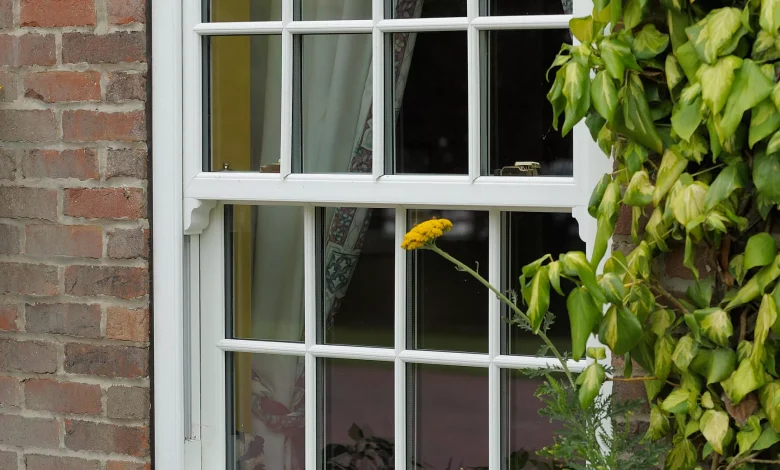
There is something special about a period home with proper sash windows. The proportions, the slim glazing bars, the way the light falls across the room: it all adds up to character that modern builds struggle to match. But when those windows start to fail, the cost of putting things right can feel daunting.
Period properties come with quirks. Openings are rarely perfectly square, materials have often aged in unpredictable ways, and there may be rules about what you can and cannot do. That makes careful budgeting even more important. This step-by-step guide, supported by a sash window cost calculator where it helps, will take you from the first look at your frames to the day the last sash slides shut.
Step 1: Understand What You Have
Before you can budget, you need to know what you are dealing with. Walk around your home and look at each window in turn.
- How old are they? Are they original Victorian or Georgian sashes, or later replacements?
- What condition are they in? Look for soft or crumbling timber, loose joints, broken cords, cracked glass and failing putty.
- How many are there? Include windows at the back and on the upper floors, as well as any dormers or bays.
- Are they all the same? Period homes often have different sizes and styles from room to room, and from floor to floor.
Take clear photos of each window and note any obvious problems. This will help you when speaking to specialists, and many online tools can use a straight-on photo to produce an initial estimate.
Step 2: Check Planning and Heritage Rules
This is the step many people skip, and it can be the most expensive one to get wrong.
If your home is listed, or sits inside a conservation area, you may need consent before altering or replacing windows. Local authorities often expect like-for-like timber replacements, with traditional details, glazing bar profiles and finishes. Using the wrong material or design can result in enforcement action, and having to reverse the work at your own cost.
Even outside these areas, some councils have specific guidelines. A quick call or email to your local planning authority at the start can save you a great deal of money and stress. If consent is required, factor in application fees, specialist advice and the time it takes.
Step 3: Decide Whether to Restore or Replace
With period windows, restoration is often worth serious consideration. Original timber, especially old-growth wood, can be remarkably durable, and many sashes can be brought back to excellent working order for less than the cost of replacement.
Replacement makes more sense when the frames are beyond economic repair, when the existing windows are poor-quality later additions or when you want specific performance improvements.
Ask a reputable joiner or window specialist to give you an honest assessment. Then price both routes before making a decision. A good adviser will be upfront about when restoration is not worth the money.
Step 4: Choose Your Specification
Once you know the direction, decide on the details. Each choice affects your budget.
Material. Timber is the natural fit for period homes, and is often required in protected properties. Different timbers vary in price and durability.
Sash type. Traditional box sashes with weights and cords are the authentic option. Spring-balanced versions are more compact and often cheaper, though they may not meet heritage requirements.
Glazing. Slimline double glazing can improve thermal performance without dramatically changing the look of the window. Secondary glazing is another option that preserves the original glass.
Finish. Paint colour, quality of finish and hardware all add to or reduce the price. Period-appropriate fittings may cost more than standard ones.
At this stage, a sash window cost calculator is useful for testing different combinations. Change one variable at a time and see how the estimate moves, so you understand where the money goes.
Step 5: Get a Professional Survey
Do not rely on guesswork for measurements. Period openings are often out of square, and sash windows are made to measure. A professional survey will check dimensions at several points, assess the condition of the surrounding structure and identify potential complications.
This also helps you avoid expensive mistakes. A window made to the wrong size cannot simply be trimmed to fit, and remaking it costs both money and time.
Step 6: Collect Detailed, Like-for-Like Quotes
Aim for at least two or three written quotes, each based on the same specification. Ask each supplier to state clearly:
- The materials, glazing and hardware being used
- Whether the price is supply only or supply and fit
- What is included for removal and disposal of old windows
- Whether making good, plastering and decorating are included
- The length and terms of the guarantee
- Any costs related to scaffolding or access
When the figures come in, compare them against the estimate you got from your sash window cost calculator. A large gap in either direction is worth questioning.
Step 7: Add a Contingency
Older homes have a habit of revealing secrets. Behind a tired window frame, you might find rotten sills, crumbling brickwork or old repairs that need redoing. None of this is unusual, but it will cost money.
A sensible rule of thumb is to add a contingency of around 10 to 15 per cent to your budget. Some homeowners with very old or neglected properties choose to go higher. If you do not use it, you have a pleasant surprise at the end.
Step 8: Think About Phasing the Work
You do not necessarily have to do every window at once. If the total looks too high, consider spreading the work over a couple of years, starting with the worst or most exposed windows, such as those on the weather-facing side of the house.
Phasing has trade-offs. You may lose some economy of scale, and you need to make sure later windows match the earlier ones. But for many people, it makes the project far more manageable.
Step 9: Plan the Timing
Window companies and joiners are often busiest in spring and summer. Booking in the quieter months may give you more flexibility. Remember that made-to-measure sashes can take several weeks to produce, so allow for lead times when planning around other work, such as redecorating.
A Sample Budget Checklist
Use this list to make sure you have covered the key areas:
- Survey and professional advice
- Planning or heritage application costs, if needed
- Windows or restoration work
- Installation and labour
- Scaffolding or access equipment
- Making good, plastering and decorating
- Disposal of old windows
- Contingency fund
Final Thoughts
Budgeting for sash windows in a period home takes a little more thought than in a modern house, but the process is straightforward when you break it down. Know what you have, check the rules, decide between restoring and replacing, choose your specification, get proper surveys and quotes, and set aside a contingency.
Do it step by step, and you will keep control of both the cost and the character of your home. A sash window cost calculator gives you the starting figure, and careful planning does the rest. The reward is a set of windows that look right, work beautifully and stand up to another generation of British weather.