Bob Geldof Hootenanny Backlash: How a New Year’s TV Performance Sparked a Wave of Online Debate
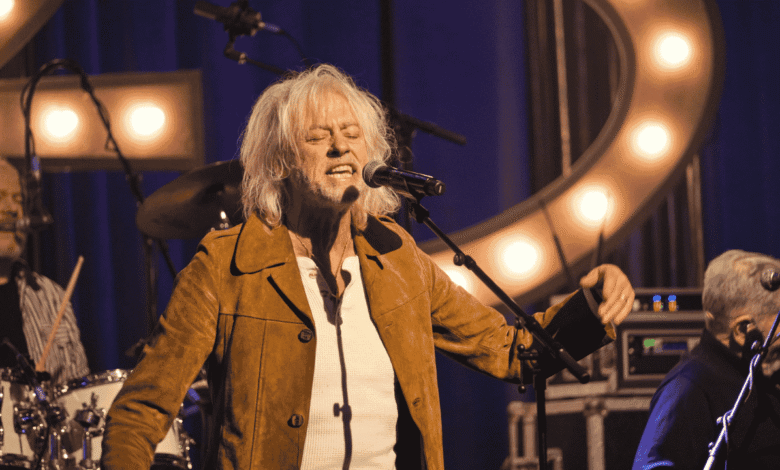
Few British television traditions are as enduring as Jools Holland Annual Hootenanny. Airing each New Year’s Eve, the BBC show is designed to be a warm, nostalgic, music-led send-off to the year, mixing legendary performers with new talent in a pub-like, celebratory atmosphere. Yet one recent edition of the programme produced an unexpected talking point that dominated social media and online forums: the Bob Geldof Hootenanny backlash. Bob Geldof, best known as the frontman of The oomtown Rats and as the driving force behind Live Aid, appeared on the show to perform with his band. Instead of fading quietly into the long history of Hootenanny performances, it triggered a surge of commentary, criticism, and debate among viewers. Some felt distracted by his mannerisms on screen, others defended him as a music icon who owed no one conformity, and many questioned why such a small moment could ignite such a large reaction.
This article explores what happened, why the backlash emerged, how it spread online, and what it reveals about modern television audiences and celebrity culture.
The Hootenanny Tradition and Audience Expectations
To understand the reaction, it helps to understand the cultural weight of the Hootenanny itself. Since the early 1990s, Jools Holland’s New Year’s Eve special has become a fixture in British homes. Families gather around the television after the fireworks, drinks are poured, and viewers expect:
- Light-hearted entertainment
- A relaxed and friendly atmosphere
- Musical nostalgia mixed with contemporary acts
- Minimal controversy
The programme is not live but recorded weeks in advance, carefully edited to create a sense of spontaneous celebration. For many viewers, it represents comfort television — predictable, familiar, and safe.
This context matters. When audiences tune in expecting warmth and escapism, anything that disrupts that feeling can stand out more sharply than it would on another type of show.
Bob Geldof’s Appearance on the Show
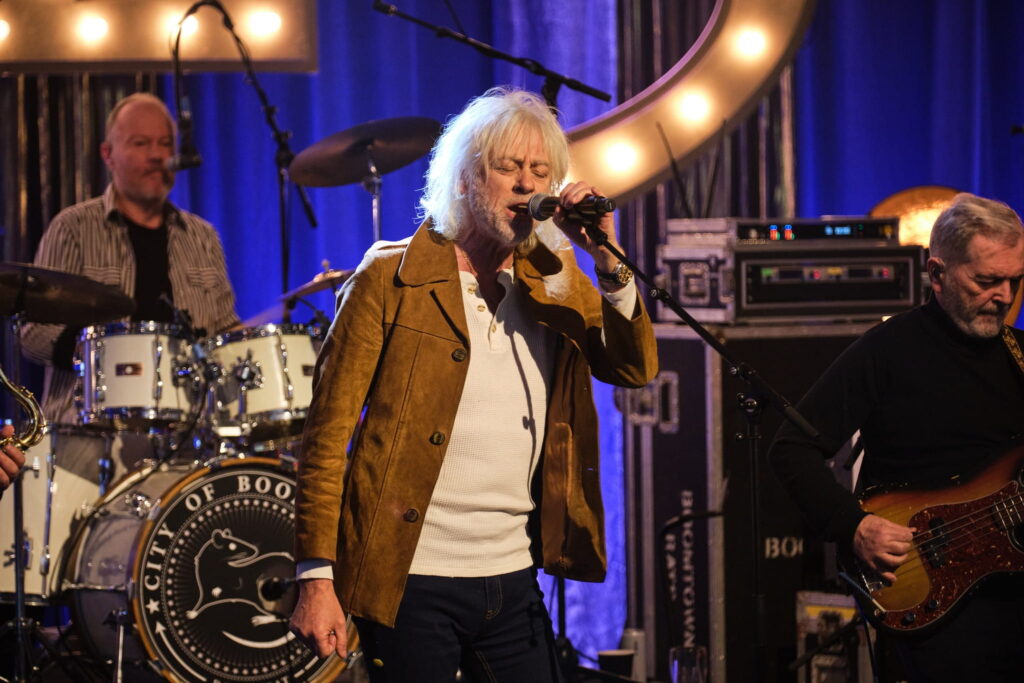
Bob Geldof joined the programme as part of a Boomtown Rats performance. For fans of classic British rock, this was a welcome inclusion. His career spans decades, and his influence extends beyond music into activism, charity, and political commentary.
However, during the broadcast, viewers began focusing not only on the music but also on Geldof’s on-screen behaviour — particularly his habit of chewing gum during close-up shots. What might have seemed trivial in another setting became, for some, impossible to ignore.
Almost immediately, comments appeared on social media platforms and discussion forums. While many praised the performance or expressed indifference, a vocal group complained that the gum chewing was distracting or irritating. Within hours, the phrase that would later become shorthand for the incident — the Bob Geldof Hootenanny backlash — was taking shape across entertainment blogs and news summaries.
How the Backlash Took Hold Online
Modern television no longer ends when the credits roll. The second screen — phones, tablets, and laptops — has become just as important as the first.
During and after the broadcast:
- Viewers posted real-time reactions on X (formerly Twitter).
- Forum users dissected the performance in discussion threads.
- Facebook groups shared clips and screenshots.
- News sites and digital tabloids quickly published stories compiling “viewer reactions.”
This rapid feedback loop transformed a minor irritation into a trending topic. Headlines highlighted phrases such as “viewers furious” or “audience distracted,” reinforcing the idea that something significant had occurred.
In reality, the complaints represented only a fraction of the total audience. Millions watched the show without comment. Yet online ecosystems reward controversy: critical posts receive replies, shares, and algorithmic boosts, making them appear more widespread than they are.
What Were People Actually Criticising?
Although the phrase “backlash” sounds severe, the criticism centred on a narrow set of points:
- Gum chewing on camera – Many viewers found it visually distracting, particularly during close-ups.
- Stage presence – Some felt Geldof’s performance style clashed with the show’s cosy, celebratory tone.
- General appearance or energy – A smaller subset of comments drifted into age-related or stylistic judgments, which others criticised as unfair or disrespectful.
Importantly, there was little criticism of his musical ability or legacy. The conversation was more about presentation than performance.
Supporters Push Back Against the Criticism
As the negative comments spread, so did the defence.
Fans and fellow viewers argued that:
- Bob Geldof has always had an unconventional style.
- Rock musicians are not obliged to fit into a “polite TV” mould.
- Focusing on gum chewing trivialised decades of artistic and humanitarian achievement.
- The outrage said more about modern audiences than about the performer himself.
Some commentators pointed out that the very informality criticised by viewers was once celebrated as authenticity in rock culture. Others suggested that the backlash reflected unrealistic expectations that performers should adapt to television aesthetics rather than being themselves.
Thus, the Bob Geldof Hootenanny backlash became less about gum and more about cultural values: tradition versus individuality, comfort versus authenticity.
Why Small Moments Become Big Stories
The incident illustrates how media dynamics have changed:
The Economics of Attention
Digital media outlets compete for clicks. Articles built around controversy perform well, even if the controversy itself is limited in scope.
Social Amplification
A handful of critical posts can be quoted and republished until they appear to represent a national mood.
Fragmented Audiences
Different viewers bring different expectations. What one group finds charming, another finds irritating.
Celebrity as Symbol
Public figures like Geldof are not judged only as performers but also as symbols of past eras, cultural movements, and political attitudes. Reactions to them often carry deeper emotional weight.
Comparisons With Past Hootenanny Controversies
This was not the first time the show attracted complaints. Over the years, viewers have criticised:
- The programme for not being truly live
- Musical choices they disliked
- Guests they considered outdated or irrelevant
- Sound quality or camera work
Yet most of these controversies fade quickly. The reason Bob Geldof Hootenanny backlash lingered is that it combined recognisable celebrity, visual peculiarity, and instant online discussion — a perfect recipe for viral commentary.
Bob Geldof’s Public Persona and Why It Matters
Bob Geldof has never been a neutral figure. Since the late 1970s, he has been:
- A punk-era musician known for confrontational lyrics
- An outspoken political commentator
- A charity organiser unafraid to criticise governments and institutions
This reputation means that even small moments involving him are often interpreted through a larger lens. Supporters see honesty and independence; critics see stubbornness or disregard for convention.
Thus, the reaction to his Hootenanny appearance was filtered through decades of existing opinion, making it more emotionally charged than a similar moment involving a less famous performer.
What the Incident Says About Modern Viewing Culture
The backlash reveals several broader truths:
- Television is now interactive. Viewers do not simply watch; they respond, annotate, and debate in public.
- Minor details matter more than ever. High-definition broadcasts and close-ups invite scrutiny.
- Outrage travels faster than praise. Complaints are more likely to be shared than quiet enjoyment.
- Nostalgia and novelty are in tension. Shows like the Hootenanny trade on tradition, but tradition brings rigid expectations.
In many ways, the story was not about Bob Geldof at all, but about how audiences process and perform reaction in the digital age.
Conclusion: A Backlash Bigger Than the Moment
The Bob Geldof Hootenanny backlash began with something simple: a musician chewing gum on a New Year’s television programme. Yet it quickly became a case study in how modern media turns fleeting irritation into cultural discussion.
You May Also Read: Rahaman Hudson: The Jazz Musician Carrying a Legacy