Cap and Cove Flooring Explained: Ensuring Seamless Hygiene in High-Risk Clinical Zones
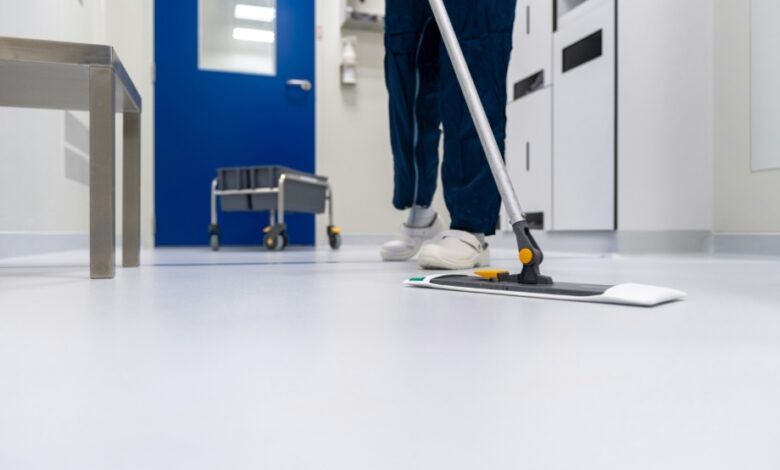
Healthcare environments demand exceptional standards of cleanliness, safety, and infection control. In areas such as hospitals, GP surgeries, veterinary clinics, laboratories, dental practices, and clean rooms, everyday flooring simply isn’t suitable. These settings require flooring solutions that actively support hygiene, reduce contamination risks, and withstand rigorous cleaning routines and high foot traffic.
One flooring system that has become a gold standard for hygienic environments is cap and cove flooring – you can learn more about it here https://www.gillettflooring.co.uk/clinical-flooring/. While frequently seen in theatres, treatment rooms and sterile zones, many people remain unaware of why it’s used, how it works, and why it plays such an essential role in infection prevention and compliance.
This guide explains everything you need to know about cap and cove flooring—including what it is, how it works, where it should be installed, and why it is so valuable in high-risk clinical settings.
What Is Cap and Cove Flooring?
Cap and cove flooring is a specialist installation method used with vinyl, safety flooring or clinical-grade surfaces. Instead of finishing the flooring at the edge where it meets the wall—like traditional flat lay installation—the flooring is extended vertically up the wall, usually by 100mm to 150mm, before being sealed with a capping strip.
The flooring sheet forms a continuous surface that:
- Has no breaks at floor-to-wall junctions
- Is heat-welded at seams for a watertight finish
- Can withstand frequent disinfecting and wet cleaning
- Eliminates gaps where bacteria, dust, liquids or debris could accumulate
This seamless transition from floor to wall is what makes cap and cove a trusted choice in environments where hygiene is critical.
Why Is Seamlessness So Important in Clinical Environments?
Traditional flooring methods create junctions, seams and gaps—especially where the flooring meets skirting boards. These areas can harbour:
- Harmful pathogens
- Bodily fluids
- Medication residues
- Cleaning chemicals
- Moisture and mould
- Dust and allergens
Once contaminants penetrate these gaps, they become incredibly difficult—sometimes impossible—to fully sanitise.
Cap and cove flooring eliminates this problem completely by creating a continuous, sealed surface that can be easily disinfected from wall edge to wall edge.
The Role of Cap and Cove Flooring in Infection Control
Clinical environments require flooring that does more than look clean—it must actively support infection prevention measures. Cap and cove flooring offers multiple benefits that align with healthcare cleaning protocols.
1. Prevents Bacterial Build-Up
With no exposed gaps, corners, or joints, the risk of microbial growth is significantly reduced—an essential requirement in sterile and semi-sterile zones.
2. Supports Deep Cleaning and Disinfection
The flooring can withstand strong cleaning agents and steam cleaning without damage.
3. Prevents Water Ingress
The heat-welded joints and vertical return prevent water from entering beneath the surface—protecting both hygiene and flooring longevity.
4. Complies with Clinical Standards
Healthcare guidelines across the UK recommend or require seamless flooring in areas where contamination risk is heightened.
Where Is Cap and Cove Flooring Required?
Not all areas of medical or commercial buildings require cap and cove flooring, but it is critical in high-risk hygiene zones where spillages, contamination and sterilisation procedures are common.
Examples include:
- Operating theatres
- Dental surgeries
- Medical treatment rooms
- Pathology laboratories
- Clean rooms and research areas
- Sterilisation units
- Pharmaceutical production environments
- Veterinary surgical rooms
- Mortuaries and specimen storage areas
In lower-risk areas such as receptions, waiting rooms or staff corridors, standard safety flooring may be suitable, although continuity of finish is often desirable.
The Installation Process: What Makes It Different?
Installing cap and cove flooring requires specialist training and precision. It cannot simply be laid like domestic vinyl flooring.
Key steps include:
Surface Preparation
The subfloor must be smooth, level, stable and free from imperfections to avoid transfer marks.
Adhesive Application
A clinical-grade adhesive is applied to secure the flooring both horizontally and vertically.
Forming the Cove
A cove former is used to create the curved transition from floor to wall, preventing sharp angles that are harder to clean.
Heat Welding
All seams are welded using a controlled heating tool and welding rod, creating an impermeable bond.
Finishing with a Capping Strip
The top edge of the vertical section is sealed neatly with a hygienic capping strip to complete the waterproof finish.
The result is a professional, continuous surface that meets high infection control standards.
Material Considerations: What Flooring Types Can Be Used?
Cap and cove flooring is usually installed using:
- Safety vinyl flooring
- Homogeneous clinical vinyl
- Anti-slip sheet flooring
- Biocidal or antimicrobial flooring systems
These materials are chosen for their:
- Antibacterial properties
- Slip resistance
- Chemical resistance
- Durability under rigorous cleaning routines
Thickness and surface texture may also vary depending on slip risk, footfall intensity and healthcare usage.
Compliance and Regulatory Considerations
In clinical settings, flooring is not just a design choice—it plays a crucial role in meeting regulatory requirements.
Cap and cove flooring supports compliance with:
- Health Technical Memoranda (HTM) guidelines
- Care Quality Commission (CQC) inspection criteria
- NHS infection control standards
- Health and Safety Executive (HSE) guidance
- Workplace hygiene and risk assessment obligations
For environments seeking accreditation or undergoing inspection, seamless flooring contributes significantly to hygiene scoring.
Benefits Beyond Infection Control
While hygiene is the primary advantage, cap and cove flooring also delivers several secondary benefits that make it ideal for commercial and healthcare environments.
Durability
The system is built to withstand heavy trolleys, equipment, movement, and harsh chemicals.
Ease of Maintenance
Smooth, continuous surfaces require less labour and time to sanitise.
Long-Term Cost Efficiency
Although initial installation may cost more, reduced maintenance, fewer repairs, and longer lifespan provide long-term value.
Safety
Slip-resistant finishes help reduce falls—especially in wet or clinical environments.
Common Mistakes When Specifying or Installing Cap and Cove Flooring
To ensure longevity and compliance, avoid:
- Installing flooring without heat-welded seams
- Using inappropriate adhesives or materials
- Failing to prepare the subfloor properly
- Allowing untrained installers to complete clinical installations
- Ignoring manufacturer cleaning guidelines
Professional installation and proper ongoing maintenance are key to maintaining hygiene performance.
Maintaining Cap and Cove Flooring
Once installed, maintaining the flooring is straightforward, provided the correct cleaning procedures are followed.
Best practice includes:
- Using approved disinfectant chemicals
- Avoid abrasive scrub pads that may damage surface protection layers
- Performing routine cleaning schedules aligned with risk level
- Completing periodic deep cleaning in high-traffic clinical areas
Regular inspections can also identify damage early, preventing hygiene compromise.
Final Thoughts
Cap and cove flooring is far more than an aesthetic choice—it’s a functional, hygienic and compliant solution designed to protect patients, staff, and clinical environments from contamination and infection risk. By ensuring a seamless, easy-to-clean surface, it plays a vital role in maintaining controlled healthcare environments where safety is essential.
For high-risk zones, the choice of flooring isn’t simply about durability—it’s about meeting required standards, supporting clinical cleaning processes, and safeguarding wellbeing.