Certified Totally Branded PPE: Balancing Safety Regulations with Corporate Identity
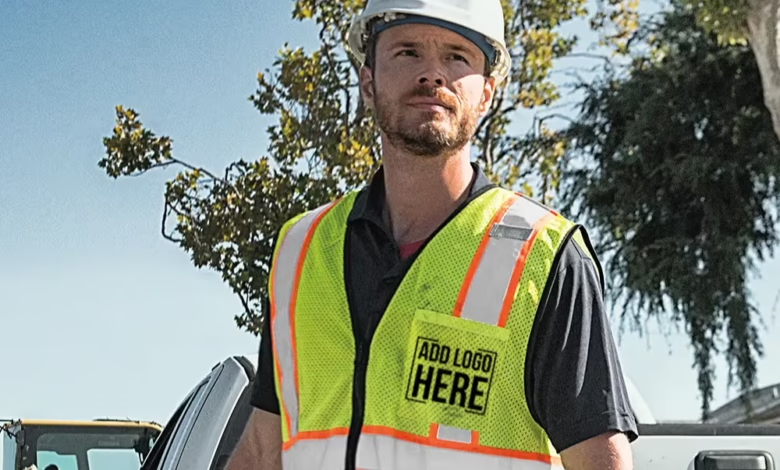
Table of Contents
1. Introduction: The Dual Mandate of PPE
2. The Imperative of Safety Regulations: A Foundation of Protection
3. Beyond Compliance: The Strategic Value of Branded PPE
4. The Challenge: Reconciling Regulation with Branding
5. Choosing the Right Certified Totally Branded PPE: Key Considerations
6. Branding Best Practices for Regulated PPE
7. The Impact of Branded PPE on Employee Morale and Culture
8. Navigating Supplier Relationships and Certification
9. Case Study: A Successful Integration of Branded Safety
10. The Future of Branded Safety: Innovation and Integration
1. Introduction: The Dual Mandate of PPE
In today’s industrial and commercial landscapes, Personal Protective Equipment (PPE) is far more than just a regulatory necessity; it’s a critical component of workplace safety, risk management, and increasingly, corporate identity. Organizations are faced with a dual mandate: rigorously adhere to complex safety regulations to protect their workforce, while simultaneously seeking opportunities to reinforce their brand presence and foster a cohesive company culture. This often presents a unique challenge, particularly when dealing with certified Totally Branded PPE. The delicate balance involves ensuring that branding efforts do not compromise the integrity or certification of safety equipment, and conversely, that safety compliance doesn’t stifle the potential for effective brand projection. This article delves into how companies can master this balance, turning mandatory safety wear into a powerful tool for both protection and promotion.
2. The Imperative of Safety Regulations: A Foundation of Protection
Safety regulations are the bedrock of any responsible organization’s operations. They are not merely guidelines but legal requirements designed to minimize workplace hazards, prevent injuries, and save lives. Bodies such as OSHA in the United States, HSE in the UK, and similar regulatory agencies worldwide establish stringent standards for various types of PPE, from hard hats and safety glasses to high-visibility clothing and respiratory protection. These regulations dictate everything from material specifications and design characteristics to testing procedures and certification requirements. Non-compliance can result in severe penalties, including hefty fines, legal action, reputational damage, and, most importantly, preventable accidents and fatalities.
Understanding the specific certifications relevant to a particular industry and job function is paramount. For instance, EN ISO 20471 for high-visibility clothing, ANSI Z87.1 for eye and face protection, or EN 388 for protective gloves, each specifies performance criteria that PPE must meet. Any modification, including the addition of branding, must be carefully considered to ensure it does not invalidate these certifications. The primary objective of PPE is protection, and this must never be compromised by aesthetic or branding considerations.
3. Beyond Compliance: The Strategic Value of Branded PPE
While safety is the primary driver for PPE, its strategic value extends far beyond mere compliance. Branded PPE offers a unique opportunity to reinforce corporate identity, enhance professionalism, and foster a sense of belonging among employees. When employees wear well-designed, branded safety gear, they become walking ambassadors for the company, projecting a professional and unified image to clients, partners, and the public.
This goes beyond simple logo placement. Thoughtfully designed branded PPE can:
1. Enhance Corporate Image: A consistent and professional appearance elevates the company’s standing.
2. Improve Brand Recognition: Visible logos and company colors increase brand recall and visibility, especially in public-facing roles or on worksites.
3. Boost Employee Morale and Team Cohesion: A sense of unity and pride can be fostered when everyone wears identifiable, quality gear. It signals that the company values its employees and invests in their safety and presentation.
4. Differentiate from Competitors: Bespoke branded PPE can set a company apart, showcasing attention to detail and a commitment to quality.
5. Reinforce Safety Culture: When safety gear is integrated with the brand, it subtly reinforces the importance of safety as a core company value.
The investment in quality, branded PPE is an investment in both safety and the company’s overall brand equity.
4. The Challenge: Reconciling Regulation with Branding
The core challenge lies in harmonizing the strict requirements of safety regulations with the creative demands of corporate branding. Adding a logo, company name, or specific color scheme to a piece of PPE might seem straightforward, but it can have significant implications for its certification. For example:
1. Material Integrity: Printing or embroidering on certain materials, especially those designed for flame resistance or high visibility, can alter their protective properties. The ink or thread might compromise the fabric’s fire retardancy or reduce the reflective surface area.
2. Visibility Standards: For high-visibility clothing, there are precise requirements for the amount and placement of fluorescent and retro-reflective materials. A large logo could reduce the effective area of these materials, leading to non-compliance.
3. Structural Integrity: For items like hard hats, drilling holes for custom attachments or applying certain types of adhesives for branding could weaken the shell and compromise impact protection.
4. Weight and Balance: Adding extra material for branding might alter the weight distribution of certain PPE, potentially affecting comfort or performance.
Therefore, any branding initiative on PPE must be undertaken with a thorough understanding of the relevant safety standards and in close consultation with the PPE manufacturer or a specialized supplier like Totally Branded, who understands these nuances.
5. Choosing the Right Certified Totally Branded PPE: Key Considerations
Selecting the appropriate certified Totally Branded PPE requires a systematic approach that prioritizes safety, compliance, and branding effectiveness.
1. Identify Specific Hazards and Required Certifications: Begin by conducting a comprehensive risk assessment to determine the specific hazards present in the workplace and the corresponding PPE requirements. This will dictate the necessary certifications (e.g., ANSI, EN, CSA).
2. Manufacturer’s Guidelines for Branding: Always consult the PPE manufacturer’s guidelines regarding branding. Many manufacturers provide specific instructions on permissible branding methods, sizes, and locations to ensure certification remains valid. Some might even offer factory-approved branding services.
3. Material Compatibility: Understand how different branding methods interact with various PPE materials. For example, heat transfers might be suitable for some fabrics but not others, especially those with specific technical coatings. Embroidery can be effective but must be done carefully to avoid compromising waterproof or flame-resistant properties.
4. Visibility and Placement: For high-visibility garments, branding must be strategically placed so it does not obstruct fluorescent or retro-reflective areas. Logos should be sized appropriately to be visible without overwhelming the safety features.
5. Durability and Longevity: Branded elements should be as durable as the PPE itself, able to withstand industrial washing, harsh weather, and rigorous use without fading, peeling, or degrading.
6. Comfort and Ergonomics: Branded PPE should not compromise the wearer’s comfort or freedom of movement. Overly stiff patches or abrasive embroidery can lead to discomfort, reducing compliance.
Engaging with a reputable supplier that understands both PPE certification and branding processes is crucial for making informed decisions.
6. Branding Best Practices for Regulated PPE
To successfully integrate branding into certified PPE without compromising safety, consider these best practices:
1. Subtle and Strategic Placement: Instead of large, obtrusive logos, opt for smaller, strategically placed branding that complements the PPE’s design and doesn’t interfere with critical safety features. For example, a discreet logo on a sleeve, collar, or the side of a hard hat where it doesn’t obstruct vision or ventilation.
2. Color Palette Harmony: If possible, align PPE colors with corporate brand guidelines, provided they meet safety standards (e.g., specific high-visibility colors). If not, ensure branding colors contrast appropriately to remain visible.
3. Utilize Manufacturer-Approved Methods: Stick to branding methods explicitly approved or offered by the PPE manufacturer. This often involves specific types of transfers, embroidery techniques, or even integrated branding during the manufacturing process.
4. Pre-Production Samples and Testing: Always request samples of branded PPE for review and, if necessary, conduct internal testing to ensure the branding holds up under typical working conditions and doesn’t affect the PPE’s performance.
5. Educate Employees: Inform employees about the reasoning behind the branded PPE choices, emphasizing that safety remains the top priority and that branding has been implemented without compromise.
7. The Impact of Branded PPE on Employee Morale and Culture
The psychological impact of well-designed, branded PPE on employees cannot be overstated. When safety equipment is comfortable, fits well, and looks professional, employees are more likely to wear it consistently and correctly. This directly contributes to a stronger safety culture.
Moreover, branded PPE fosters a sense of unity and professionalism. Employees feel valued when their company invests in quality gear that not only protects them but also presents them positively. This can lead to:
1. Increased Compliance: Employees are more likely to wear PPE they are proud of.
2. Enhanced Team Identity: A uniform, branded appearance strengthens team bonds and a shared sense of purpose.
3. Improved Professionalism: Employees feel more confident and professional when representing their company in branded gear.
4. Safer Work Environment: Consistent PPE usage naturally leads to fewer incidents and a safer workplace overall.
It transforms a mandatory item into a symbol of belonging and pride, significantly contributing to a positive work environment and reducing resistance to PPE usage.
8. Navigating Supplier Relationships and Certification
The choice of supplier is critical when procuring certified Totally Branded PPE. It’s not enough to simply find a company that can print a logo; the supplier must possess in-depth knowledge of PPE standards, branding techniques, and their interplay.
Key considerations for supplier selection:
1. Expertise in PPE Standards: Does the supplier understand the relevant certifications (e.g., CE, ANSI, EN ISO) and how branding might affect them? Can they provide documentation of compliance?
2. Branding Capabilities: Do they offer a range of branding methods suitable for different PPE types (e.g., screen printing, heat transfer, embroidery) and understand the limitations of each?
3. Quality Assurance: What are their quality control processes for both the PPE itself and the branding application?
4. Customization Options: Can they provide tailored solutions that balance brand aesthetics with safety requirements?
5. After-Sales Support: Do they offer support for issues related to branding durability or certification concerns?
Working with a knowledgeable supplier ensures that your branded PPE not only looks good but also maintains its protective qualities and regulatory compliance. They can guide you through the complexities, ensuring your branding efforts are successful and safe.
9. Case Study: A Successful Integration of Branded Safety
Consider a large construction firm operating across multiple sites. Historically, their PPE was generic, leading to a fragmented appearance and occasional issues with consistent usage. The firm decided to implement a comprehensive branded PPE strategy.
They partnered with a specialized supplier who understood construction safety standards (e.g., hard hats with ANSI Z89.1, high-visibility vests with EN ISO 20471). The supplier advised on appropriate branding methods:
1. Hard Hats: Small, reflective company logos were applied to the sides using manufacturer-approved decals, ensuring no structural integrity compromise.
2. High-Visibility Vests: The company logo was screen-printed in a non-reflective, contrasting color on the back, carefully positioned to not obscure the fluorescent background material or retro-reflective strips.
3. Work Gloves: Embroidered logos were placed on the cuffs, away from the protective palm and finger areas.
The result was a unified, professional appearance across all sites. Employee feedback was overwhelmingly positive, with reports of increased team spirit and pride. The company also noted a subtle but significant improvement in safety compliance, as employees were more inclined to wear their high-quality, branded gear. This case demonstrates how careful planning and expert partnership can transform PPE from a mere compliance item into a powerful brand asset and a driver of safety culture.
10. The Future of Branded Safety: Innovation and Integration
The landscape of safety and branding is constantly evolving. The future of certified Totally Branded PPE will likely see greater integration of smart technologies, sustainable materials, and advanced customization options. Imagine PPE that not only carries your brand but also incorporates embedded sensors for real-time health monitoring, or materials that automatically adjust visibility based on ambient light.
As technology advances, so too will the possibilities for innovative branding that doesn’t compromise safety. The key will remain a steadfast commitment to regulatory compliance, coupled with a creative and strategic approach to brand integration. Organizations that proactively embrace these advancements, while maintaining a clear focus on employee protection, will be best positioned to lead in both safety and corporate identity. The journey to perfectly balance safety regulations with corporate identity is continuous, but with careful planning and the right partnerships, it’s a journey that yields significant returns.