Everything You Need to Know About Composite Bonding Treatment
Composite bonding has become one of the most popular cosmetic dental treatments in the UK, and it is easy to understand why. It offers fast, natural results, does not involve drilling healthy teeth, and is a cost-effective option for improving the appearance of your smile. Whether you want to close gaps, repair chips or reshape uneven teeth, composite bonding provides a simple solution without long recovery times or complex procedures.
This guide walks you through everything you need to know about composite bonding, from how it works and who it suits, to costs, care and how long results last.
What Is Composite Bonding?
Composite bonding uses a tooth-coloured filling material to reshape, rebuild or enhance the appearance of teeth. The material is a soft resin that is placed directly onto the tooth surface, shaped carefully, then hardened with a curing light.
Once polished, the resin looks almost identical to natural enamel. Because it is applied by hand, your dentist has complete control over shape, texture and proportions, allowing for subtle or dramatic improvements depending on your goal.
Bonding is sometimes called cosmetic bonding, tooth bonding or edge bonding. The approach is the same — improving the appearance of teeth without removing healthy enamel.
What Can Composite Bonding Improve?
Composite bonding is suitable for a wide range of cosmetic issues. Dentists use bonding to fix:
Minor chips or fractures
Gaps between teeth
Worn or uneven edges
Teeth that look short or irregular in shape
Mild discolouration or staining
Small alignment imperfections
Sensitivity caused by exposed edges
For many people, these issues do not require braces, veneers or crowns. Bonding fills the gap between no treatment and more invasive options.
How the Composite Bonding Procedure Works
One of the reasons bonding appeals to so many patients is the simplicity of the procedure. Most treatments take just one visit and involve no injections.
The bonding process usually follows these steps:
Assessment and planning – your dentist checks the health of teeth and gums
Shade matching – the composite colour is selected to blend with your natural teeth
Surface preparation – the tooth is lightly etched to help the resin bond
Application – soft composite resin is layered and moulded by hand
Curing – a special light hardens the material in seconds
Sculpting and polishing – the tooth is smoothed, shaped and finished
There is no drilling into healthy tooth structure unless decay is present. Because the enamel stays intact, bonding is considered a conservative and reversible treatment.
Who Makes a Good Candidate?
Composite bonding suits patients who want cosmetic improvements rather than major structural changes. The best results are usually seen in people with:
Healthy gum tissue
Minimal decay
Mild cosmetic concerns rather than major bite issues
Natural enamel that has not been heavily damaged
If teeth are severely crowded, very dark in colour, or badly broken down, your dentist may discuss alternatives such as whitening, orthodontics, veneers or crowns.
Suitability varies from patient to patient, and a short consultation is the best way to explore options.
What Results Can You Expect?
Composite bonding produces instant results. As soon as treatment is finished, you will be able to see and feel the improvement.
The resin blends into the natural tooth so that the finished result looks seamless. Most people find they smile more confidently straight away because the change is visible immediately — no temporary teeth, no waiting for lab-made restorations.
Bonding can be used on one tooth or across several teeth for a wider smile makeover. Subtle changes often produce a surprisingly big boost in appearance.
According to this dentist in Bonne Terre MO, composite bonding is a minimally invasive procedure that usually requires no removal of the natural tooth enamel. This makes it an ideal choice for patients looking for a quick and painless way to repair minor chips or close small gaps while preserving their long-term dental health.
How Long Does Composite Bonding Last?
Bonding materials are strong, but they are not indestructible. With good habits, composite bonding typically lasts between five and eight years, sometimes longer.
Longevity depends on lifestyle, oral hygiene and bite pressure. The bonded material can become worn, chipped or stained over time, but repairs are usually straightforward. Unlike veneers, where a full replacement is often needed, bonding can be patched, reshaped or repolished in small areas.
Regular dental check-ups help keep bonded teeth in good condition.
Looking After Bonded Teeth
Bonded teeth need the same care as natural teeth, but a few extra precautions help maintain results.
Brush twice daily with fluoride toothpaste
Clean between teeth daily
Avoid biting fingernails, pens or ice
Take care when eating very hard foods
Limit food and drink that stains, such as tea and red wine
Use a mouthguard if you grind your teeth at night
Smoking also causes staining and increases gum problems, which can affect how bonding ages.
Can Bonding Be Combined with Other Treatments?
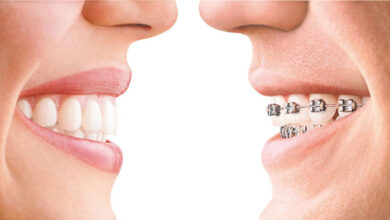
Composite bonding works well alongside many other treatments, which is one reason dentists recommend it so often. Many patients whiten their teeth before bonding so the final shade is brighter. Because composite does not whiten, it is important to bleach beforehand if needed. Bonding can also be completed after braces or clear aligners to refine tooth shape. It is often the finishing touch on orthodontic treatment.
Your dentist at Hartfield Road Dental Practice may also suggest a mix of bonding and veneers if some teeth need more coverage than others, and that is why specialist, tailored advice is more valuable than most.
Composite Bonding vs Porcelain Veneers
Although both treatments are used for cosmetic improvements, they differ in how they work.
Composite bonding preserves enamel, is faster and more affordable, and can be reversed. Veneers, made from porcelain, usually require reshaping of the natural tooth and are designed to be a long-term solution.
Neither is better or worse, suitability depends on your goals, condition of teeth and budget. More information on cosmetic dentistry approaches can be found on the British Dental Association site.
Unlike veneers or crowns, bonding does not usually require tooth reduction. This makes it a gentle and conservative treatment that preserves your natural tooth structure.
The Confidence Boost
For many people, the appeal of composite bonding is simple — it changes how they feel about their smile. Chips and gaps may seem small, but they can draw attention whenever you talk, laugh or pose for photos.
Bonding softens those flaws without changing your teeth dramatically. It allows your smile to look like your smile, just smoother, more even and more proportioned.
A small improvement in tooth shape often leads to a big change in confidence.
Final Thoughts
Composite bonding is a modern, minimally invasive technique that allows you to refresh your smile in a single appointment. With no drilling, no injections and no need to remove healthy enamel, it offers a gentle yet effective alternative to veneers or orthodontics.
For patients looking to repair chips, close gaps, smooth uneven edges or brighten their smile, bonding delivers natural results with very little downtime. With good care and regular dental visits, bonded teeth can stay looking bright and healthy for many years.
Composite bonding is a smart choice for anyone wanting to enhance their smile in a simple, affordable and tooth-friendly way — which is why it has become one of the fastest-growing dental treatments in the UK.