Fire Rebuild Beverly Hills: 7 Critical Mistakes Homeowners Make After a Wildfire (And How to Avoid Them)
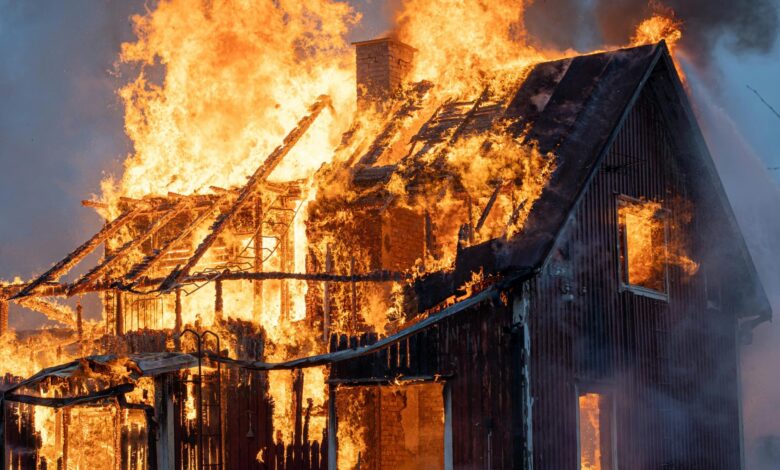
Fire Rebuild Beverly Hills: 7 Critical Mistakes Homeowners Make After a Wildfire (And How to Avoid Them)
Recovering from a wildfire is not simply a matter of clearing debris and rebuilding walls. For homeowners in Beverly Hills and the surrounding hillside communities, the process that follows a fire is layered with regulatory requirements, insurance negotiations, structural assessments, and contractor decisions — all of which must move forward simultaneously while the homeowner is still managing displacement, loss, and emotional strain.
The rebuilding process after a wildfire is one of the most complex residential undertakings most people will ever face. It is not comparable to a standard renovation or even a major remodel. The scope of decisions involved, the number of agencies that must approve work, and the sheer volume of coordination required create conditions where mistakes are easy to make and expensive to correct. Many of those mistakes are not obvious at the time. They surface weeks or months later, in the form of delayed permits, insurance shortfalls, failed inspections, or structural issues that require costly remediation.
This article outlines seven of the most consequential mistakes homeowners make during the post-wildfire rebuild process — and explains the conditions that lead to each one, so that decision-makers can recognize and avoid them before they cause serious setbacks.
Mistake 1: Starting Reconstruction Before Understanding the Full Scope of Damage
When it comes to fire rebuild beverly hills projects, the most consistent early mistake is beginning reconstruction work before a complete damage assessment has been conducted. The visible damage after a fire — charred framing, burned finishes, collapsed sections — is rarely the full picture. Fire compromises structural integrity in ways that are not visible to the eye: compromised concrete foundations, heat-affected steel connections, smoke-infiltrated framing that may appear intact but has lost its structural reliability.
Many homeowners, anxious to begin the process and under pressure from insurance timelines, authorize early demolition or reconstruction work before a licensed structural engineer has assessed the full extent of damage. This creates two problems. First, it removes evidence that may be critical to the insurance claim. Second, it can result in rebuilding on or around compromised structural elements that should have been replaced entirely.
Why Incomplete Assessments Create Long-Term Risk
A partial assessment is often the result of working with contractors who are eager to begin billable work rather than with engineers who are focused on risk identification. A licensed structural engineer’s report establishes the baseline from which all rebuilding decisions should flow. Without it, contractors may make scope decisions that are driven by what is visible and accessible rather than what is structurally necessary. This leads to situations where rebuilding costs escalate mid-project because hidden damage is discovered after work has already begun — a far more disruptive and expensive scenario than identifying the damage at the outset.
Mistake 2: Filing Insurance Claims Without Professional Documentation Support
Insurance claims for wildfire damage are not straightforward. In high-value residential markets, the gap between what an insurer initially offers and the actual cost of rebuilding to pre-fire condition can be significant. Homeowners who file claims without professional documentation — detailed cost estimates from licensed contractors, structural assessments, and itemized lists of lost contents — frequently accept settlements that fall short of what the policy actually covers.
The Role of Public Adjusters and Independent Estimators
A public adjuster operates independently from the insurance company and works on behalf of the homeowner to document losses and negotiate claims. In complex wildfire cases, particularly those involving high-value properties, their involvement often results in materially different settlement outcomes. Similarly, independent cost estimators provide rebuild figures based on current material and labor costs rather than on depreciated or average-market values, which is what many insurer-provided estimates rely on.
Filing without this support is not simply an administrative oversight — it can result in a permanent shortfall that the homeowner must absorb out of pocket, with no recourse once a settlement has been accepted and signed.
Mistake 3: Selecting Contractors Based on Availability Rather Than Qualifications
After a major wildfire event, the demand for qualified contractors in the affected region far exceeds supply. This creates conditions where homeowners feel pressure to secure any available contractor rather than waiting for the right one. In a post-disaster environment, unlicensed and underqualified contractors often enter the market to capture that demand, and they are not always easy to identify at first contact.
What Contractor Vetting Should Actually Include
Verifying a contractor’s license status through the California Contractors State License Board is a necessary first step, but it is not sufficient on its own. Homeowners should also verify that the contractor carries current liability insurance and workers’ compensation coverage, has demonstrable experience with fire damage reconstruction specifically, and can provide references from comparable projects in similar residential markets. A contractor experienced in standard residential remodeling is not necessarily qualified to manage the structural, regulatory, and insurance documentation demands of a post-fire rebuild.
Mistake 4: Misunderstanding the Permit and Approval Process
Rebuilding in Beverly Hills requires permits and inspections from multiple agencies, and the process is more involved than standard residential construction permitting. Depending on the location of the property, reviews may be required from local fire departments, hillside construction boards, geotechnical reviewers, and city planning departments. Homeowners who do not understand this process — or who work with contractors who underestimate it — often experience significant delays that extend project timelines and increase carrying costs.
How Permit Delays Compound Project Costs
Every month that reconstruction is delayed has a cost: temporary housing expenses, insurance holding costs, mortgage obligations on a property that cannot be occupied, and in some cases, escalating material costs in a volatile supply environment. A contractor who underestimates the permitting timeline — or who begins work without the appropriate approvals — creates not just delays but potential legal exposure and the risk of required demolition of unpermitted work. The permit process is not an administrative formality; it is a structural part of the project timeline that must be planned for from the beginning.
Mistake 5: Treating Fire Rebuild as a Standard Renovation
A common misconception is that rebuilding after a fire is functionally similar to a major renovation — that it follows the same process, involves the same type of decisions, and can be managed through the same channels. It cannot. Fire reconstruction involves hazardous material remediation (including ash, soot, and potentially asbestos or lead in older structures), strict documentation requirements for insurance purposes, structural assessments that go beyond cosmetic or functional evaluation, and coordination with public agencies that are not typically part of residential remodel projects.
Why the Distinction Matters for Material and System Choices
Rebuilding after a fire also presents an opportunity — and in some cases a regulatory requirement — to bring the home into compliance with current building codes, which may differ significantly from the codes in effect when the home was originally constructed. According to the California Department of Housing and Community Development, fire-damaged homes that require substantial reconstruction are often subject to current energy, structural, and fire-resistance standards. This affects decisions about framing materials, insulation, electrical systems, and exterior finishes, all of which have implications for both cost and timeline that must be factored into the project scope from the start.
Mistake 6: Neglecting Soil and Site Stability Assessment
In hillside communities like those throughout Beverly Hills, wildfire damage extends beyond the structure itself. Fire burns the root systems and ground cover that stabilize slopes, increasing the risk of erosion, mudslide, and soil instability — particularly during the first rainy season following a fire. Homeowners who begin rebuilding without a geotechnical assessment may be constructing on ground that has been materially destabilized by the fire.
When Site Conditions Affect Structural Design Decisions
A geotechnical engineer evaluates soil composition, slope stability, and drainage conditions before recommending foundation design for rebuilt structures. In post-fire hillside environments, this assessment may reveal the need for drainage improvements, retaining structures, or modified foundation approaches that were not required when the home was originally built. Skipping this step does not eliminate the risk — it simply defers the consequences to a later point in the project when corrections are far more expensive and disruptive.
Mistake 7: Failing to Establish Clear Communication Protocols with the Rebuild Team
Post-fire reconstruction involves a large number of parties: the homeowner, the general contractor, subcontractors across multiple trades, the insurance adjuster, public agency inspectors, and in many cases an architect or structural engineer. Without a clear structure for how decisions are made, documented, and communicated, critical information gets lost, scope changes are verbal rather than written, and disputes over cost and responsibility become difficult to resolve.
Documentation as a Risk Management Tool
Every significant decision made during a fire rebuild should be documented in writing: scope changes, material substitutions, timeline adjustments, and cost modifications. This documentation protects the homeowner in the event of a contractor dispute, supports the insurance claim process, and provides an accurate record for final inspections and permitting closeout. Homeowners who rely on verbal agreements or informal communication during a project of this complexity consistently report more disputes, more cost overruns, and more delays than those who insist on written documentation as a standard practice from the first day of the project.
Conclusion: Making Sound Decisions in a High-Stakes Process
Rebuilding after a wildfire is one of the most consequential projects a homeowner will ever manage. The decisions made in the first weeks and months after a fire establish the conditions for everything that follows — the insurance outcome, the permitting timeline, the structural reliability of the rebuilt home, and the total cost of recovery. Mistakes made early in the process are rarely contained to the moment they occur. They compound over time, affecting timelines, budgets, and in some cases the long-term integrity of the structure itself.
The seven mistakes outlined in this article are not unusual or uncommon. They occur in wildfire recoveries throughout Southern California with regularity, and they occur precisely because homeowners are making complex decisions under pressure, often without full information and without the professional support structures that make those decisions defensible and sound.
The most reliable path through a post-fire rebuild is one built on complete assessments, qualified professionals, documented decisions, and a clear understanding of the regulatory and insurance environment specific to the affected area. None of these elements are optional in a project of this complexity — and treating any of them as secondary considerations is where most recoverable situations become significantly more difficult ones.Recovering from a wildfire is not simply a matter of clearing debris and rebuilding walls. For homeowners in Beverly Hills and the surrounding hillside communities, the process that follows a fire is layered with regulatory requirements, insurance negotiations, structural assessments, and contractor decisions — all of which must move forward simultaneously while the homeowner is still managing displacement, loss, and emotional strain.
The rebuilding process after a wildfire is one of the most complex residential undertakings most people will ever face. It is not comparable to a standard renovation or even a major remodel. The scope of decisions involved, the number of agencies that must approve work, and the sheer volume of coordination required create conditions where mistakes are easy to make and expensive to correct. Many of those mistakes are not obvious at the time. They surface weeks or months later, in the form of delayed permits, insurance shortfalls, failed inspections, or structural issues that require costly remediation.
This article outlines seven of the most consequential mistakes homeowners make during the post-wildfire rebuild process — and explains the conditions that lead to each one, so that decision-makers can recognize and avoid them before they cause serious setbacks.
Mistake 1: Starting Reconstruction Before Understanding the Full Scope of Damage
When it comes to fire rebuild beverly hills projects, the most consistent early mistake is beginning reconstruction work before a complete damage assessment has been conducted. The visible damage after a fire — charred framing, burned finishes, collapsed sections — is rarely the full picture. Fire compromises structural integrity in ways that are not visible to the eye: compromised concrete foundations, heat-affected steel connections, smoke-infiltrated framing that may appear intact but has lost its structural reliability.
Many homeowners, anxious to begin the process and under pressure from insurance timelines, authorize early demolition or reconstruction work before a licensed structural engineer has assessed the full extent of damage. This creates two problems. First, it removes evidence that may be critical to the insurance claim. Second, it can result in rebuilding on or around compromised structural elements that should have been replaced entirely.
Why Incomplete Assessments Create Long-Term Risk
A partial assessment is often the result of working with contractors who are eager to begin billable work rather than with engineers who are focused on risk identification. A licensed structural engineer’s report establishes the baseline from which all rebuilding decisions should flow. Without it, contractors may make scope decisions that are driven by what is visible and accessible rather than what is structurally necessary. This leads to situations where rebuilding costs escalate mid-project because hidden damage is discovered after work has already begun — a far more disruptive and expensive scenario than identifying the damage at the outset.
Mistake 2: Filing Insurance Claims Without Professional Documentation Support
Insurance claims for wildfire damage are not straightforward. In high-value residential markets, the gap between what an insurer initially offers and the actual cost of rebuilding to pre-fire condition can be significant. Homeowners who file claims without professional documentation — detailed cost estimates from licensed contractors, structural assessments, and itemized lists of lost contents — frequently accept settlements that fall short of what the policy actually covers.
The Role of Public Adjusters and Independent Estimators
A public adjuster operates independently from the insurance company and works on behalf of the homeowner to document losses and negotiate claims. In complex wildfire cases, particularly those involving high-value properties, their involvement often results in materially different settlement outcomes. Similarly, independent cost estimators provide rebuild figures based on current material and labor costs rather than on depreciated or average-market values, which is what many insurer-provided estimates rely on.
Filing without this support is not simply an administrative oversight — it can result in a permanent shortfall that the homeowner must absorb out of pocket, with no recourse once a settlement has been accepted and signed.
Mistake 3: Selecting Contractors Based on Availability Rather Than Qualifications
After a major wildfire event, the demand for qualified contractors in the affected region far exceeds supply. This creates conditions where homeowners feel pressure to secure any available contractor rather than waiting for the right one. In a post-disaster environment, unlicensed and underqualified contractors often enter the market to capture that demand, and they are not always easy to identify at first contact.
What Contractor Vetting Should Actually Include
Verifying a contractor’s license status through the California Contractors State License Board is a necessary first step, but it is not sufficient on its own. Homeowners should also verify that the contractor carries current liability insurance and workers’ compensation coverage, has demonstrable experience with fire damage reconstruction specifically, and can provide references from comparable projects in similar residential markets. A contractor experienced in standard residential remodeling is not necessarily qualified to manage the structural, regulatory, and insurance documentation demands of a post-fire rebuild.
Mistake 4: Misunderstanding the Permit and Approval Process
Rebuilding in Beverly Hills requires permits and inspections from multiple agencies, and the process is more involved than standard residential construction permitting. Depending on the location of the property, reviews may be required from local fire departments, hillside construction boards, geotechnical reviewers, and city planning departments. Homeowners who do not understand this process — or who work with contractors who underestimate it — often experience significant delays that extend project timelines and increase carrying costs.
How Permit Delays Compound Project Costs
Every month that reconstruction is delayed has a cost: temporary housing expenses, insurance holding costs, mortgage obligations on a property that cannot be occupied, and in some cases, escalating material costs in a volatile supply environment. A contractor who underestimates the permitting timeline — or who begins work without the appropriate approvals — creates not just delays but potential legal exposure and the risk of required demolition of unpermitted work. The permit process is not an administrative formality; it is a structural part of the project timeline that must be planned for from the beginning.
Mistake 5: Treating Fire Rebuild as a Standard Renovation
A common misconception is that rebuilding after a fire is functionally similar to a major renovation — that it follows the same process, involves the same type of decisions, and can be managed through the same channels. It cannot. Fire reconstruction involves hazardous material remediation (including ash, soot, and potentially asbestos or lead in older structures), strict documentation requirements for insurance purposes, structural assessments that go beyond cosmetic or functional evaluation, and coordination with public agencies that are not typically part of residential remodel projects.
Why the Distinction Matters for Material and System Choices
Rebuilding after a fire also presents an opportunity — and in some cases a regulatory requirement — to bring the home into compliance with current building codes, which may differ significantly from the codes in effect when the home was originally constructed. According to the California Department of Housing and Community Development, fire-damaged homes that require substantial reconstruction are often subject to current energy, structural, and fire-resistance standards. This affects decisions about framing materials, insulation, electrical systems, and exterior finishes, all of which have implications for both cost and timeline that must be factored into the project scope from the start.
Mistake 6: Neglecting Soil and Site Stability Assessment
In hillside communities like those throughout Beverly Hills, wildfire damage extends beyond the structure itself. Fire burns the root systems and ground cover that stabilize slopes, increasing the risk of erosion, mudslide, and soil instability — particularly during the first rainy season following a fire. Homeowners who begin rebuilding without a geotechnical assessment may be constructing on ground that has been materially destabilized by the fire.
When Site Conditions Affect Structural Design Decisions
A geotechnical engineer evaluates soil composition, slope stability, and drainage conditions before recommending foundation design for rebuilt structures. In post-fire hillside environments, this assessment may reveal the need for drainage improvements, retaining structures, or modified foundation approaches that were not required when the home was originally built. Skipping this step does not eliminate the risk — it simply defers the consequences to a later point in the project when corrections are far more expensive and disruptive.
Mistake 7: Failing to Establish Clear Communication Protocols with the Rebuild Team
Post-fire reconstruction involves a large number of parties: the homeowner, the general contractor, subcontractors across multiple trades, the insurance adjuster, public agency inspectors, and in many cases an architect or structural engineer. Without a clear structure for how decisions are made, documented, and communicated, critical information gets lost, scope changes are verbal rather than written, and disputes over cost and responsibility become difficult to resolve.
Documentation as a Risk Management Tool
Every significant decision made during a fire rebuild should be documented in writing: scope changes, material substitutions, timeline adjustments, and cost modifications. This documentation protects the homeowner in the event of a contractor dispute, supports the insurance claim process, and provides an accurate record for final inspections and permitting closeout. Homeowners who rely on verbal agreements or informal communication during a project of this complexity consistently report more disputes, more cost overruns, and more delays than those who insist on written documentation as a standard practice from the first day of the project.
Conclusion: Making Sound Decisions in a High-Stakes Process
Rebuilding after a wildfire is one of the most consequential projects a homeowner will ever manage. The decisions made in the first weeks and months after a fire establish the conditions for everything that follows — the insurance outcome, the permitting timeline, the structural reliability of the rebuilt home, and the total cost of recovery. Mistakes made early in the process are rarely contained to the moment they occur. They compound over time, affecting timelines, budgets, and in some cases the long-term integrity of the structure itself.
The seven mistakes outlined in this article are not unusual or uncommon. They occur in wildfire recoveries throughout Southern California with regularity, and they occur precisely because homeowners are making complex decisions under pressure, often without full information and without the professional support structures that make those decisions defensible and sound.
The most reliable path through a post-fire rebuild is one built on complete assessments, qualified professionals, documented decisions, and a clear understanding of the regulatory and insurance environment specific to the affected area. None of these elements are optional in a project of this complexity — and treating any of them as secondary considerations is where most recoverable situations become significantly more difficult ones.