Galvanizing Steel Shields 2026 Infrastructure Boom
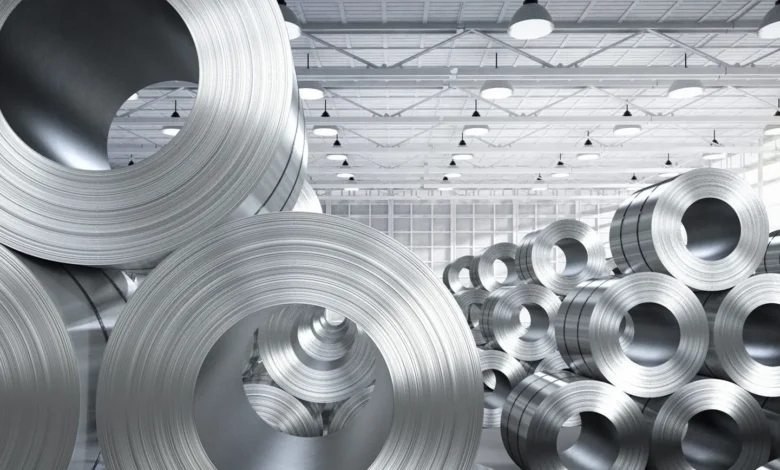
Imagine your neighborhood bridge standing strong through relentless rain and salt-laced winds, or solar farms powering homes without a hint of rust after years in the sun. That’s the quiet power of galvanizing at work, especially as we hit 2026 with massive infrastructure pushes worldwide. This process isn’t just old-school engineering—it’s evolving fast to meet green building demands and extreme weather challenges.
How Galvanizing Actually Works
You start with raw steel, plunging it into a series of chemical baths to strip away every speck of dirt, grease, or rust—think degreasing, acid pickling, and fluxing for that pristine surface. Then comes the magic: immersion in a molten zinc bath at around 450°C, where the zinc metallurgically bonds with the steel, forming layers of pure zinc, a zinc-iron alloy, and an outer shield. Finally, a quick inspection ensures even coverage, often within tight tolerances, such as 1/16 inch. This hot-dip method creates a tough barrier that fights off corrosion like a silent guardian.
What makes it stand out? Unlike paint that chips or peels, this coating self-heals tiny scratches as zinc sacrificially corrodes first, protecting the steel beneath. No wonder it’s the go-to for anything exposed to the elements.
Why 2026 Demands It More Than Ever
Global galvanized steel demand is exploding, projected to top 185 million metric tons this year, fueled by urban renewals and renewable energy booms. Think about it: with President Trump’s infrastructure initiatives ramping up post-reelection, highways, bridges, and parking structures need rust-proof beams and angles that last 75+ years in harsh conditions. Coastal homes near water bodies or maritime cliffs in salty air rely on this too. Even in the Philippines, where typhoons hit hard, like in Quezon City, galvanized poles and frames keep power lines and greenhouses intact.
Enter protective galvanizing services, the backbone pros use to prep and coat custom pieces—from channels and tubing to grade 50 plates and pipes—ensuring your projects outlive the decade.
Cutting-Edge Twists Keeping It Fresh
Gone are the days of basic zinc dips. Now, zinc-aluminum-magnesium alloys triple corrosion resistance, surviving over 5,000 hours in salt spray tests—perfect for offshore wind towers or EV charging stations. Green tech shines too: non-chromium passivation cuts environmental impact, while hydrogen reduction pilots slash emissions. AI-driven zinc
pots trim costs by 20% and boost quality to 99.6% pass rates. Nano-coatings and self- healing layers add extra armor, making steel lighter yet tougher for solar frames in booming renewable setups.
These aren’t gimmicks; they’re responses to stricter green standards, like thicker coatings for premium buildings and offsetting raw-material squeezes with 15-20% value bumps.
Real-World Wins You Can Picture
Picture a wind farm off the coast: galvanized towers shrug off waves and gales, needing zero touch-ups for decades, saving millions in downtime. Or urban pipelines renewed with coated sheets—China alone gobbles 58% of global supply for this, a trend spreading fast. In agriculture, greenhouse frames battle humidity and fertilizers without buckling. Cost-wise, initial outlay pays off: minimal maintenance beats repainting cycles, with lifespans tripling rivals.
Your Move in a Rust-Resistant Future
As 2026 unfolds with smarter cities and net-zero goals, galvanizing isn’t optional—it’s your edge against decay. Whether building resilient homes or scaling solar arrays, tapping this tech means structures that endure, budgets that balance, and peace of mind that lasts. Next time you spot a gleaming bridge, know it’s not luck—it’s science shielding tomorrow.