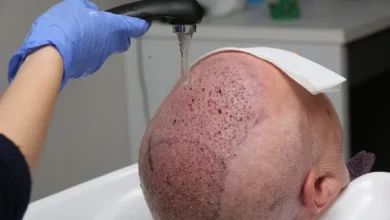
How AI Is Reshaping Dermatology Care in Austin
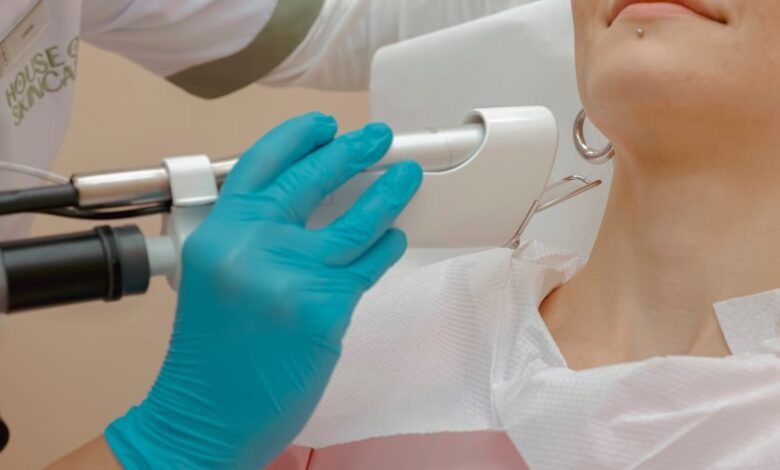
Artificial intelligence is fundamentally changing how dermatologists diagnose skin conditions, analyze treatment outcomes, and personalize care plans. In Austin—a city where healthcare innovation intersects with one of the nation’s most active tech ecosystems—these advances are moving from research labs into clinical practice. Dermatology practices across the city are integrating machine learning algorithms that can detect melanoma with accuracy rates comparable to experienced clinicians, while telemedicine platforms are expanding access to specialized care beyond traditional office visits.
This shift matters for patients navigating everything from chronic conditions like eczema to preventive skin cancer screenings. Understanding how AI tools work, what they can and cannot do, and how to find dermatologists who use them effectively has become essential for anyone seeking modern skin care in Central Texas.
What Dermatologists Actually Do—And Why Regular Visits Matter
Dermatologists diagnose and treat more than 3,000 conditions affecting skin, hair, and nails. Their work ranges from managing acne and psoriasis to performing Mohs surgery for skin cancer removal. In Austin, where outdoor lifestyles and high UV exposure increase melanoma risk, dermatologists play a critical role in early detection.
Regular screenings catch problems before they become serious. According to the American Academy of Dermatology, when melanoma is detected early, the five-year survival rate exceeds 99 percent. Yet many people delay appointments until symptoms worsen—a pattern that AI-driven tools and expanded access are beginning to address.
Key functions dermatologists provide include:
- Full-body skin exams to identify suspicious moles or lesions
- Treatment plans for chronic conditions like rosacea, eczema, and acne
- Cosmetic procedures including laser therapy, chemical peels, and injectables
- Surgical removal of skin cancers and benign growths
- Guidance on sun protection and daily skin care routines
For patients in South Austin or surrounding areas, finding a dermatologist who balances clinical expertise with newer diagnostic tools can improve both outcomes and convenience.
How to Choose a Dermatologist in Austin
Not all dermatologists offer the same services or approach. Board certification through the American Board of Dermatology ensures a physician has completed accredited residency training and passed rigorous exams. Beyond credentials, consider these factors:
- Specialization: Some dermatologists focus on medical dermatology (skin diseases), while others emphasize cosmetic procedures or surgical dermatology. Match their expertise to your needs.
- Technology adoption: Ask whether the practice uses dermoscopy, AI-assisted imaging, or teledermatology platforms. These tools can improve diagnostic accuracy and reduce wait times.
- Patient reviews: Look for patterns in feedback about wait times, communication style, and follow-up care. Single negative reviews matter less than recurring themes.
- Insurance and accessibility: Verify network participation and whether the practice offers evening or weekend appointments. Location matters—South Austin residents may prefer practices near Slaughter Lane or Brodie Lane to avoid downtown traffic.
Austin residents can choose dermatologists from Revelus Dermatology, Austin Dermatology Associates, or Pinnacle Dermatology Austin for comprehensive skin care approaches.
Taking Action on Your Skin Health
Waiting until a skin concern becomes urgent increases treatment complexity and cost. Annual skin checks catch problems early, while establishing a relationship with a dermatologist ensures continuity of care when issues arise.
For those overdue for a screening or managing chronic skin conditions, scheduling a consultation is the logical next step. Look for dermatologists who explain their diagnostic process, discuss treatment trade-offs, and incorporate newer tools where appropriate. Whether you’re in Central Austin, South Austin, or surrounding areas, the combination of experienced clinicians and advancing technology offers better outcomes than either could provide alone.
The shift toward AI-assisted dermatology isn’t about replacing human expertise—it’s about augmenting it. The best care still comes from dermatologists who combine clinical judgment with the insights these tools provide, tailoring treatment to each patient’s specific needs and circumstances.