How Interior Designers Are Using Happy Horse to Present Room Concepts in Cinematic Video Form
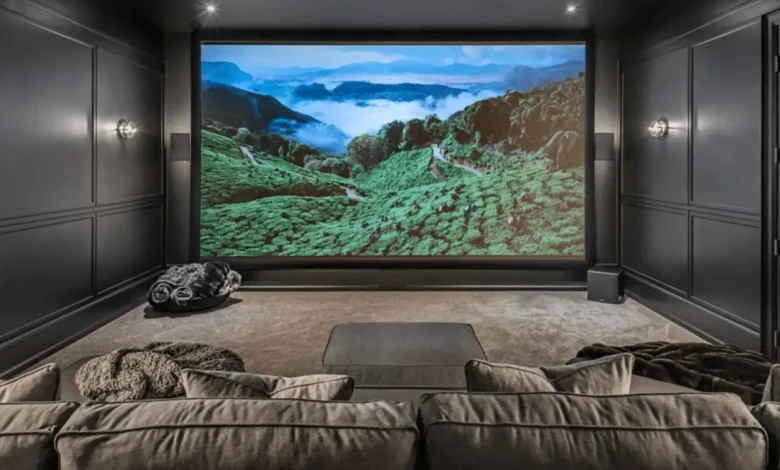
Interior design has always been a discipline that struggles with one fundamental communication problem: the finished work exists in three-dimensional space and changes with light and time, but most of the tools available for presenting ideas before a project is built are flat, static, and fixed. A mood board is useful, but it’s a collage. A floor plan is essential, but it’s abstract. Even high-quality 3D renderings, which have become standard in the industry over the past decade, produce still images that capture a room at a single moment under a single lighting condition.
The gap between what a designer can see in their mind and what they can show a client before the first wall is painted or the first piece of furniture is placed is one of the persistent frustrations of the profession. Clients who are paying significant amounts for a design engagement are often being asked to commit to decisions based on representations of a finished space that, however beautiful, don’t fully convey what it will actually feel like to be in the room.
Video changes this, and AI video generation is making it accessible in ways it simply wasn’t before.
What Video Conveys That Stills Cannot
The experience of a well-designed interior is inseparable from time. Light moves through a space throughout the day, and a room that feels one way in the morning feels entirely different in the afternoon and again in the evening. Materials that look flat in a rendering reveal depth and texture when they catch light at an angle. The relationship between pieces of furniture — how a sofa reads against a rug against a coffee table — is easier to understand when you can move through the space conceptually rather than staring at a fixed frame.
A cinematic walkthrough, even a brief one, conveys all of this in a way that a sequence of static images cannot. It gives a client the experience of inhabiting a space before it exists, which is the closest thing available to actually standing in the finished room. For a designer trying to build client confidence in a concept direction, particularly one that involves significant investment or a departure from what the client is currently used to, that experiential quality is not a luxury — it’s a genuine communication tool.
Where Happy Horse Fits into the Designer’s Workflow
Happy Horse is an AI video generation model that has become useful for designers precisely because of its strength in producing atmospheric, visually coherent footage with convincing motion and light. The qualities that make it well-suited to travel or product content translate directly to interior presentation: the ability to generate footage that feels spatially grounded, that handles the behavior of light with some fidelity, and that produces movement through a space that reads as natural rather than mechanical.
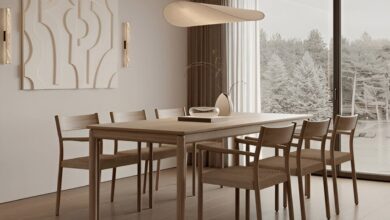
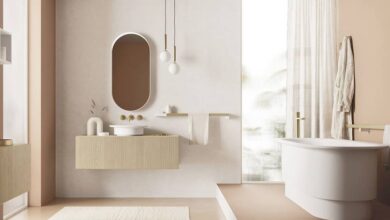
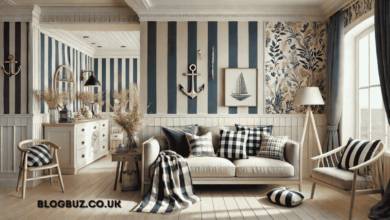
The practical entry point for most designers is using the tool to animate or extend existing visual assets. A strong 3D rendering of a living room concept, for example, can serve as a reference point for generating video that moves through a version of that space — pulling focus from architectural details to furniture groupings to the view through a window — in a way that makes the concept feel lived-in rather than frozen. The rendering does the precision work; the generated video does the atmospheric work.
For designers who work from physical reference imagery — pulling from precedent projects, furniture catalogues, material samples — similar approaches apply. The prompting process involves describing the space in terms of its material qualities, its light sources, its proportions, and the mood it should convey, then iterating toward something that communicates the concept accurately.
The Client Presentation Dimension
The real test of any presentation tool is what it does in the room with a client. Mood boards and renderings require a designer to narrate their way through the concept — to translate a static image into words that help the client understand what the finished space will feel like. That narration can be compelling, but it puts the burden of imagination on the client, which is asking a lot of someone who may not have a highly developed spatial sense.
Video removes much of that burden. When a client can watch a brief walkthrough of a proposed living room — see the light shifting across the limestone floor, understand how the scale of the furniture relates to the ceiling height, feel the contrast between a textured wall material and the smooth surface of a custom millwork piece — the concept lands in a fundamentally more direct way. Questions tend to be more specific and productive. Decisions tend to come faster. The revision cycles that often follow initial presentations, when clients realize after the fact that they didn’t fully understand what they were approving, tend to be shorter.
For a design practice that bills by the hour or manages multiple concurrent projects, faster and more confident client decisions have real operational value, not just aesthetic value.
Concept Exploration Before Commitment
There’s another use case that’s less about client presentation and more about the designer’s own process. Exploring a concept direction in video form — even roughly — before investing significant time in detailed technical drawings or full 3D modeling can be a genuinely useful checkpoint. It forces a kind of clarity about the spatial and atmospheric qualities of a concept that the early sketch phase often doesn’t require.
A designer who generates a brief video impression of a concept early in the process may discover things about it that weren’t obvious in the initial sketches: that the color palette reads differently in a moving, light-filled space than it did as a flat swatch, or that a furniture arrangement that looked balanced on a floor plan feels crowded when you’re notionally walking through it. Catching those things early, when the cost of adjustment is low, is preferable to discovering them late in a detailed design process.
Honest Limitations in a Precision Discipline
Interior design is ultimately a precision discipline. Ceiling heights, furniture dimensions, the exact tone of a paint color under a specific light source — these specifics matter enormously to clients making real financial commitments, and they need to be communicated accurately. AI-generated video, however good it looks, is not an engineering document or a technical specification. It conveys mood and spatial character; it does not replace dimensional drawings, material samples, or the kind of precise visual communication that technical production drawings provide.
Designers who use AI-generated video effectively tend to be clear with clients about what they’re looking at: an impression of a concept’s atmosphere and character, not a precise simulation of the finished space. Used with that framing, it enhances rather than complicates the presentation process.
There’s also the question of the learning investment involved in prompting effectively for interior applications specifically. Getting convincing spatial results — footage that reads as a real interior rather than something generically atmospheric — requires developing some fluency with how to describe architectural and material qualities in ways the model can work with. That fluency comes with practice, and designers who invest in developing it will get meaningfully more useful output than those approaching it without that investment.
A Natural Extension of Where the Industry Is Going
The broader direction of the interior design industry has been toward increasingly immersive client presentation tools for years — from 2D drawings to photorealistic renderings to virtual reality walkthroughs. AI-generated video is a natural next step in that progression, one that’s more accessible than VR and more experientially rich than static renderings.
Designers who are building familiarity with these tools now are positioning themselves ahead of what will likely become a standard expectation in client presentation within a relatively short period. The firms and independent designers who can deliver that experiential quality consistently, without the production overhead that cinematic video has historically required, will have a meaningful advantage in how they communicate value to prospective clients.
The idea itself was always the most important thing. These tools just make it easier to let the idea speak for itself.