How to Choose the Right Tinted Sunscreen Shade for Your Skin Tone
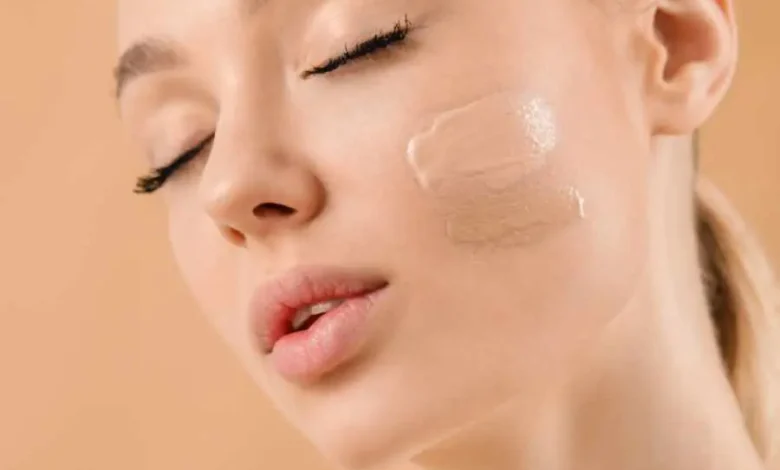
Tinted sunscreen sounds like the holy grail: broad-spectrum protection plus a little polish, all in one step. In practice, though, it can be surprisingly easy to end up with a shade that looks off—too orange, too ashy, too dark, or oddly gray by lunchtime.
The trick is to treat tinted SPF less like “makeup with SPF” and more like “SPF that happens to have pigment.” You still need to apply enough to get the stated protection, so the shade has to work when used generously—not just in a thin, makeup-like layer. Here’s how to choose a tinted sunscreen shade that actually disappears into your skin and still lets you apply the right amount.
Understand what tinted sunscreen can (and can’t) do
Tinted SPF typically offers light, flexible coverage. Think “evening out tone,” not “full glam.” That’s a good thing: lighter coverage is more forgiving across undertones and texture, and it’s less likely to look mask-like when you reapply.
Why shade match matters more than you think
If the shade is wrong, most people instinctively apply less product to avoid looking strange. That’s the fastest route to under-protection. The best shade match is the one you can apply in a proper layer—about two finger lengths for face and neck—without feeling like you’re wearing the wrong color.
Tinted formulas can help with more than cosmetics
Many tinted sunscreens use iron oxides (the pigments that create the tint). Iron oxides don’t just add coverage; they can also help protect against visible light, which is particularly relevant for people prone to hyperpigmentation and melasma. If uneven tone is your concern, tint isn’t only aesthetic—it can be functional.
Start with skin depth, then nail your undertone
Most shade mistakes come from focusing on “light/medium/deep” without checking undertone. Depth is your baseline; undertone is what makes it look natural.
Step 1: Match your depth in natural light
Indoor lighting lies. Check shades near a window or outdoors in indirect daylight. Swipe along the jawline (not the wrist) and look at it after 2–3 minutes. The right depth should blend into both your face and neck without needing to “work it in.”
Step 2: Identify your undertone (and don’t overthink it)
A quick undertone guide:
- Cool: skin reads pink, red, or bluish; silver jewelry often looks sharp
- Warm: skin reads golden, peachy, or yellow; gold jewelry looks harmonious
- Neutral/olive: less obvious pink/gold; can pull slightly green or gray, often tans easily
If you’ve ever tried a “warm” tinted product and it turned orange, you might actually be neutral or olive. Olive undertones are famously underserved and can look sallow in overly peachy shades.
Around this point in your search, it helps to compare a few formulas and shade descriptions side-by-side—especially those positioned as lighter coverage. Browsing curated ranges of sheer coverage SPF products can give you a clearer sense of how brands describe undertones (neutral vs warm vs golden vs olive) and which depth categories they consider “medium” or “tan,” since that varies wildly.
Pay attention to finish and “oxidation” before you commit
Even a perfect undertone match can drift if the formula changes color as it dries.
Oxidation: the sneaky shade shifter
Some tinted products deepen or warm up after application. Test by applying a full, even layer on your jaw/cheek and waiting 10–15 minutes. If it’s noticeably darker or more orange, try a shade lighter or a more neutral undertone.
Finish changes how a shade reads
- Matte/velvet finishes can appear a touch lighter and emphasize dryness if you’re dehydrated.
- Dewy finishes can look slightly deeper because shine increases contrast and richness.
- Satin tends to be the most forgiving across skin types.
If you’re between shades, consider your finish preference: a dewy formula might make a borderline-dark shade feel even deeper.
Choose for real life: texture, undertone shifts, and reapplication
Tinted sunscreen has to perform at 8 a.m. and 2 p.m.—and again after you reapply.
Your skin tone isn’t static
You may need two shades across the year: one for winter, one for summer. If that feels excessive, a practical compromise is choosing the shade that matches your lightest season, then warming it up with a bit of bronzer or blush when you tan.
Reapplication is the real test
A shade that looks great in one layer can become heavy when layered. If you plan to reapply over makeup, look for:
- lighter coverage
- less tack
- shades that don’t go muddy when layered
If you’re sensitive to buildup, you can alternate: initial application with tinted SPF, then reapply with a transparent sunscreen stick or spray designed for face (while still making sure you’re using enough overall).
Common shade-match problems (and how to fix them)
“It looks gray or ashy”
This is usually a depth issue (too light) or an undertone mismatch (too cool). Try one shade deeper or a warmer/neutral option. For deeper skin tones, look for formulas explicitly designed to avoid ashiness—often achieved by better iron oxide blends.
“It looks orange”
Often too warm or too deep, or the product oxidizes. Switch to neutral/olive and test again after 15 minutes. Also check whether your moisturizer or primer is affecting dry-down.
“It separates around my nose/chin”
That’s more about prep than shade. Hydrate, let skincare set, and consider a thinner first layer followed by a second layer where you need more coverage—without skipping total quantity.
A simple at-home method to pick the right shade
If you can’t test in-store, you can still get close:
- Identify your depth category using your best-matching foundation or concealer (if you wear one).
- Choose two adjacent shades: your “likely match” and one lighter or more neutral.
- Test both in daylight on the jawline with a full, sunscreen-appropriate layer.
- Wait 15 minutes, then check for oxidation and how it looks when you smile (creases reveal mismatch fast).
If both are close, pick the one that disappears from a normal conversation distance—not the one that looks “perfect” in a magnifying mirror.
The bottom line
The right tinted sunscreen shade is the one you’ll apply generously, happily, and repeatedly. Start with depth, confirm undertone in daylight, and always test for oxidation and reapplication. Once you find your match, tinted SPF becomes what it’s supposed to be: protection you’ll actually wear every day, with a finish that makes you look like you’ve simply had a good night’s sleep.