How UK Homeowners Are Prioritising Security Without Sacrificing Style
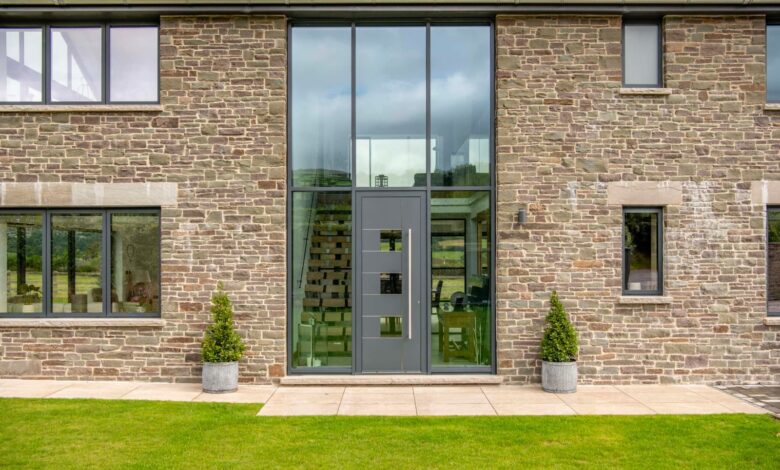
UK homeowners are increasingly building security into the design of a home rather than adding it on once everything else is finished. A front door, window locks or a video doorbell used to be picked mainly for how they looked, with security treated as a separate job for a locksmith to sort out later. That order is now reversed for many households, with the security specification chosen first and the finish, colour and hardware selected afterwards to match the rest of the house.
The change is partly about better products reaching the mainstream market at ordinary prices, and partly about homeowners expecting more from a single purchase. Nobody wants to choose between a door that looks right on a period terrace and one that will actually resist a determined attempt to force it. Manufacturers have responded by building genuine security into ranges that also come in dozens of colours and finishes, so the choice most people face now is between different ways of getting both at once.
Choosing a Front Door That Works Both Ways
Homeowners upgrading their entrances are increasingly opting for a composite door instead of traditional timber, since the material combines a multi-point locking system with finishes that mimic wood grain, leaded glass or a clean, contemporary flat panel. The core is usually a dense foam or timber composite between tough outer skins, resisting the kind of kicking and shoulder barging that would eventually splinter an older softwood door. Because the frame and lock are engineered together, homeowners no longer have to choose a plain, security focused design just to feel confident about their entrance.
Locks and Systems Homeowners Now Expect
A door is only as strong as the lock holding it shut, so homeowners are paying closer attention to cylinder ratings and multi-point mechanisms rather than assuming any lock will do. Anti-snap cylinders meeting current British testing standards have become a normal request rather than an upgrade reserved for high-risk properties, since older cylinders can be defeated with basic tools in under a minute. Video doorbells have become so common that walking down an ordinary street will reveal one on almost every other door, each quietly recording who comes and goes.
Style Choices That Do Not Compromise Safety
Grey, white and black used to be the safe choices for a front door, but homeowners are now moving toward warmer, more personalised colours such as deep green and steel blue that still suit a traditional or modern facade equally well. Hardware has followed the same pattern, with brushed brass, matt black and anodised finishes now available across ranges that already carry full security certification, so nobody has to trade a distinctive look for a door that performs badly under pressure.
Getting the Balance Right for a Real Home
The most successful renovations start with a short list of non negotiable security features and only then move to colour, glazing and hardware, rather than falling in love with a look and hoping security can be sorted out afterwards. A glazing specialist can usually confirm within minutes whether a design meets current standards, avoiding the disappointment of choosing something in a showroom that later needs modification. Treating security and style as one decision is what lets a home look the way its owners want while still doing its job properly.