Intergenerational Programs That Enrich Community Life
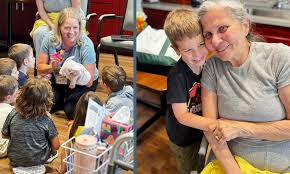
Intergenerational programs bring people of different ages together in ways that create belonging, share knowledge, and strengthen neighborhoods. When youth, adults, and older adults collaborate, communities gain practical skills, emotional support, and a broader sense of purpose. These programs work best when they are designed with intention, rooted in local partnerships, and supported by clear logistics. With thoughtful planning, intergenerational connections become part of daily life rather than occasional events, enriching everyone involved.
Why Intergenerational Connection Matters
Intergenerational connection counters isolation, fosters empathy, and passes on lived wisdom that does not fit neatly in a textbook. Young people benefit from patient coaching, storytelling, and life skills that help them navigate school and early careers. Older adults gain renewed purpose, cognitive stimulation, and social engagement that support wellbeing. Families and neighborhoods also benefit as trust grows across generations, creating a more resilient social fabric.
These programs can also address real community challenges. Mentoring supports school readiness and retention. Collaborative service projects improve public spaces. Shared arts activities promote cultural understanding. When people of all ages build together, they develop practical competence and mutual respect, which often spills into other parts of community life.
Program Models That Work in Real Life
Successful models are simple to understand and easy to repeat. Tech tutoring is one of the most popular, pairing teens or young adults with older residents to help with smartphones, video calls, online safety, streaming, and digital photos. The reverse is equally powerful. Career story hours let retirees share lessons from healthcare, teaching, construction, or entrepreneurship with students exploring work pathways. Arts and music exchanges bring choirs, painting workshops, and storytelling circles to life, while community gardens teach sustainability, nutrition, and patience through shared harvests.
Childcare partnerships also thrive. Reading buddies and homework labs connect older volunteers with elementary students, improving literacy while building cross generational bonds. Fitness and wellness activities bring people together through walking clubs, gentle stretching, balance classes, and cooking demonstrations. Communities like Discovery Village The West End often host these models on site, making participation natural and frequent rather than rare.
Designing Experiences That Are Safe, Inclusive, and Fun
Trust and safety are essential. Programs should include clear sign in procedures, background checks for volunteers, and staff oversight. Spaces must be accessible, with seating options, good lighting, and clear wayfinding. Content should be appropriate for all participants, using plain language and providing visual or printed materials when helpful. Comfort matters too. Offer water, snacks, and scheduled breaks. Keep activities to manageable lengths, and provide quiet spaces for anyone who needs a moment to recharge.
Inclusivity begins with listening. Invite participants to co-design events and choose topics that reflect their interests, cultures, and abilities. Provide multiple ways to contribute, from hands on roles to supportive tasks like greeting or photography. Consider sensory sensitivities, translation needs, and transportation barriers. Programs that welcome different learning styles and mobility levels tend to grow organically, because people feel seen and valued.
Building Partnerships and Logistics That Last
Longevity comes from strong partnerships. Libraries, schools, senior living communities, parks departments, and faith organizations each bring unique strengths. Start with a small pilot and a shared calendar. Agree on roles, communication channels, and a simple way to measure success. Align schedules with school days, public transit, and community events to reduce conflicts. Use friendly reminders, clear signage, and consistent locations so participation becomes a habit.
Staffing and volunteer coordination benefit from checklists and light training. Facilitators need a run of show that includes setup, timing, transitions, and contingency plans if technology falters or turnout varies. Keep materials simple and reusable. Store supplies in labeled bins, maintain a shared contact list, and debrief after each event to capture what worked and what needs improvement. Over time, these small operational habits make programs reliable and easy to scale.
Measuring Impact and Keeping Momentum
Impact is more than attendance. Track skills gained, confidence built, and relationships formed. Short surveys, quick interviews, and photo journals help capture stories that numbers miss. Consider indicators like improved digital comfort among older participants, increased reading fluency among younger ones, or expanded volunteer leadership across the group. Celebrate small wins publicly. Thank partners and participants by name, share milestones, and highlight the community improvements that resulted from shared effort.
Momentum thrives on variety and consistency. Rotate themes, such as technology, arts, nature, and work skills, while keeping schedules predictable. Invite guest facilitators from local colleges, businesses, or cultural organizations to bring fresh perspectives. Offer simple pathways for participants to step into leadership roles, like planning the next activity or mentoring a new volunteer. When people feel ownership, they bring friends and family, and the program becomes part of the community’s identity.
Conclusion
Intergenerational programs succeed when they are practical, welcoming, and grounded in shared purpose. By choosing simple models, designing for safety and inclusion, partnering across local institutions, and measuring both stories and outcomes, communities can build regular touchpoints that bridge ages and backgrounds. The results show up in stronger relationships, new skills, and a deeper sense of belonging. With steady care and collaboration, intergenerational connection can evolve from a good idea into a community tradition that enriches daily life for everyone.