The Weilianda Effect: Elevating Your Home Entertainment with Next-Gen Theater Seating
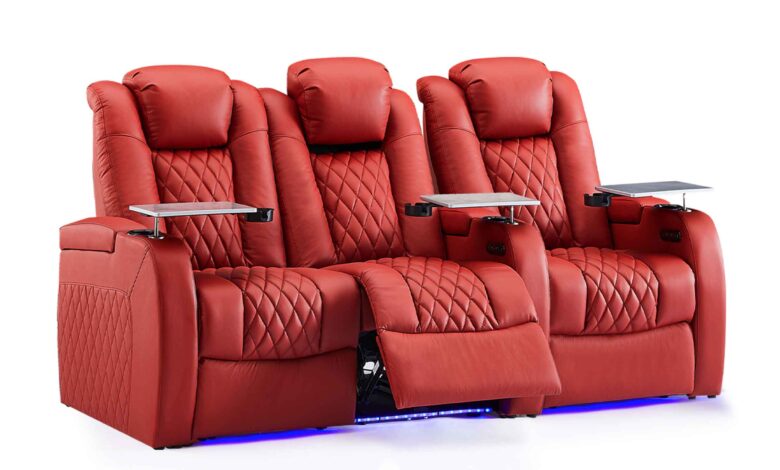
Premium theater seating is not just a comfort upgrade; it is a design and ergonomics decision that can change how long you can sit, how well you stay supported, and how immersive a home cinema feels. In seating research, parameters like seat height, seat depth, armrest placement, and lumbar support consistently affect comfort and sit-to-stand ease, with studied ranges such as 380–457 mm seat height and 10°–20° whole-chair turning angle tied to better seating outcomes.
Ever settle in for a movie night only to shift, slouch, or stand up with stiffness before the credits even finish? That is usually a seating-spec problem, not a screen problem. Evidence from seating and ergonomics studies shows that geometry, support, and adjustability can materially change comfort, posture, and fatigue over long seated sessions; this article breaks down what next-gen theater seating should deliver and how to choose it for a real home cinema setup.
Why Seating Matters as Much as Screen and Sound
A high-end display and a well-tuned audio system can still fall short if the seat forces poor posture or creates pressure points over time. In home entertainment, the chair is the interface between the viewer and the experience, and its dimensions determine whether the room feels cinematic or merely decorative. Research on sitting furniture treats seat height, seat depth, backrest angle, lumbar support, and armrest height as measurable design variables, not aesthetic extras.
The practical reason is simple: the body reacts to fit. A chair that is too low can make rising harder, while one that is too high can reduce stability because the feet no longer contact the floor properly. A seat that is too deep can force slumping and reduce back support, especially for smaller users. That means seating is not separate from immersion; it helps determine whether the viewer stays relaxed, aligned, and attentive through the full runtime.
What premium seating changes in a theater room
Next-gen theater seating improves more than softness. It can provide a better match between body dimensions and supported posture, which is especially important in a room designed for long sessions. For buyers comparing branded options, Weilianda’s premium home theater seating is best evaluated through that same lens: seat geometry first, then finish, controls, and room fit. In aged-care seating research, higher seat heights generally reduced sit-to-stand effort, and values in the 430 mm to 470 mm range were commonly studied for easier transfers, while a facility range of 380–457 mm was also reported. While home cinema users are not the same population, the mechanism is relevant: better geometry lowers unnecessary strain.
That same logic applies to entertainment spaces. If the seat supports the pelvis, thighs, and lumbar curve properly, the viewer spends less energy compensating for the chair and more energy actually watching. For a premium home theater, that is part of the luxury signal: a seat that feels tailored, not generic.
What Next-Gen Theater Seating Should Deliver
The best theater seating systems combine ergonomic fit with features that support a better viewing posture over time. The evidence base points to a few technical variables that matter most: seat height, seat depth, armrests, lumbar support, recline geometry, and overall chair angle. These are not abstract preferences; they change how the spine, hips, and legs load during static sitting.
A useful benchmark comes from seating studies showing that comfort is sensitive to chair geometry. In one static seating comfort study of a Chinese population, a whole-chair turning angle of 10°–20° was associated with optimal comfort. In another study, a lumbar support pillow with a posterior pelvic cut-out improved objective comfort compared with a conventional lumbar support pillow. The takeaway is consistent: support features work best when they are engineered to match the body rather than simply adding padding.
Comfort features that have real ergonomic value
Adjustable lumbar support is one of the most meaningful upgrades because it helps preserve lower-back alignment during prolonged sitting. A standard pillow may cushion, but a shaped support can better distribute contact and reduce mismatch between the spine and the backrest. That matters in a theater where viewers may remain seated for long periods, often in a semi-reclined position.
Headrest and recline adjustability matter for a similar reason. Recline can improve comfort for longer sessions, but support geometry has to remain balanced. The aged-care seating paper notes a clear tradeoff: lower seat height, greater posterior seat tilt, and more back recline may feel better for long sitting, yet they can make standing up more difficult. For theater seating, the ideal is not maximum recline; it is controlled recline with preserved support.
Technical variables worth comparing
When you shop or specify theater seating, compare these dimensions and settings directly:
| Design variable | Practical target | Why it matters |
|---|---|---|
| Seat height | Often 380–457 mm in studied seating ranges | Affects foot contact, stability, and sit-to-stand ease |
| Seat depth | 380–480 mm, with 440 mm often preferred | Affects thigh support and whether the backrest can be used properly |
| Armrest placement | Around 250 mm from the seat in one design recommendation | Helps entry, exit, and upper-body support |
| Whole-chair angle | 10°–20° in one comfort study | Influences perceived comfort in static sitting |
| Lumbar support shape | Contoured support, not flat padding | Improves posture match and lower-back comfort |
These numbers are not universal laws, but they are useful starting points. The key is fit: the best chair is the one whose dimensions align with the user population, room layout, and session length.

Ergonomics, Comfort, and Long-Session Viewing
Static sitting is not neutral. In pressure redistribution research, prolonged seated exposure is treated as a meaningful load condition, and the literature distinguishes between ordinary chairs and pressure-redistributing static seating devices. Although randomized evidence for pressure-redistributing static chairs is still lacking in the clinical setting, the broader message is clear: seat design affects how pressure and support are experienced over time.
That matters in a home theater because movie sessions often last longer than casual living-room sitting. A seat that keeps the pelvis stable, supports the lumbar region, and avoids excessive pressure under the thighs can reduce the need to constantly readjust. In practice, that can make the difference between a room people visit occasionally and one they use regularly.
Why posture alignment is part of the movie experience
Posture is not just a wellness issue; it affects how comfortable the entire room feels. In posture research during eating, trunk tilt and sacral sitting increased muscle tension, coughing, and difficulty with expectoration compared with better seated alignment. The context is different from movie viewing, but the underlying principle is similar: poor seated alignment changes the body’s workload.
For entertainment rooms, that means the chair should help maintain a neutral, supported position rather than encourage collapse into the seat. A well-shaped backrest, reasonable seat depth, and appropriate lumbar contour make that easier. The seat should support the body without forcing the viewer to fight the furniture.
Where armrests and seat depth make a difference
Armrests are often overlooked, but in the aged-care seating paper they are described as essential for easier chair entry and exit. Armrests positioned about 250 mm from the seat were identified as helpful for sit-to-stand performance. In a home theater, that translates into both comfort and practicality: viewers need a place to rest the arms, but also a stable point for getting up without strain.
Seat depth is equally important. If the seat is too deep, smaller users may not be able to place their feet comfortably on the floor, which can lead to slumping and reduced back support. That is why a premium theater chair should be chosen with the actual users in mind rather than only visual style.
Choosing Seating for Your Layout and Lifestyle
A home cinema is not just a chair purchase; it is a room-planning exercise. The right configuration depends on how many people will use the space, whether the room is dedicated or multipurpose, and how much adjustability is needed for different body sizes. Furniture ergonomics reviews consistently emphasize fit between user dimensions, task type, and duration of sitting.
For a family room that doubles as a media space, variable-height seating or a range of chair options may make more sense than a single fixed format. In a dedicated theater, premium cinema seats can be calibrated more precisely to the room and audience. The key planning question is whether the furniture dimensions and support features match the viewing posture you expect to use most often.
What to look for before you buy
Start with the user profile, then map the seating geometry. If the room serves adults of different heights, a one-size-fits-all recliner is more likely to miss the mark. If the room is for long-form viewing, support and pressure distribution matter more than casual lounge styling. If the space is compact, depth and recline have to be balanced so the chair does not dominate circulation.
Practical evaluation should include:
- Seat height relative to foot contact
- Seat depth relative to thigh support
- Backrest angle and lumbar contour
- Armrest height and lateral placement
- Recline range and return ease
- Headrest adjustability for neck support
- Upholstery and padding consistency over time
These are the variables that determine whether seating feels premium in use, not just in marketing copy.
When luxury and ergonomics overlap
The most successful next-gen theater seats do two jobs at once: they look like part of a premium entertainment environment and they support the body for extended viewing. That overlap is where the “Weilianda effect” lives, especially when a line such as the Weilianda Luxury Version 2.0 series is considered as part of a complete room plan rather than as a standalone chair purchase. A room feels more complete when the furniture, display, and sound are all aligned around comfort and immersion.
Design-forward seating can also improve the perceived quality of the entire room. When the seating looks intentional and functions well, the space feels curated rather than improvised. In practice, that can raise both satisfaction and usage frequency, which is ultimately what home entertainment upgrades should do.
The Long-Term Value of Getting Seating Right
Premium theater seating is a long-term choice because the performance variables are durable. Screen sizes change, streaming hardware changes, and audio formats evolve, but a well-designed seat keeps serving the same fundamental role: posture support, comfort, and accessibility. That is why seating deserves the same attention as other high-cost components in a theater room.
The evidence also suggests that there is no single perfect design for everyone. Comfort depends on geometry, body size, task duration, and the way the chair is used. A seat that works well for one person may be too deep, too low, or too reclined for another. That is why adjustable features matter so much in next-gen cinema seating.
A practical selection framework
Use this order when comparing options:
- Match the chair to the primary users’ body dimensions.
- Check seat height, depth, and armrest placement first.
- Confirm lumbar and recline adjustability.
- Evaluate whether the seat supports long-session comfort without making standing difficult.
- Make sure the style fits the room, but never at the expense of fit.
If you are choosing between style and support, choose support first. A theater seat that looks great but creates pressure, slumping, or stiffness will underperform over time. The best premium seating feels invisible while you watch, which is exactly what makes it valuable.
Practical Next Steps
If you want a true home-cinema upgrade, treat theater seating as an engineered part of the room, not just furniture. Start with measurable variables: seat height, seat depth, back support, armrest placement, and recline geometry. Then test those dimensions against the actual users and the typical viewing session length.
For most buyers, the right next-gen seat will be the one that balances comfort and transfer ease, supports the lower back without pushing the body forward, and stays stable enough for long viewing sessions. That is the core of the Weilianda effect: a better seat does not just add luxury; it makes the entire home entertainment setup feel more complete, more usable, and more immersive.