Tilt & Turn vs. Sliding Windows: Which Option Saves More Over Time?

A cheaper window can become the more expensive mistake. Sliding windows often cost less upfront, but in projects that demand tighter sealing, quieter rooms, safer ventilation, and better weather performance, tilt & turn usually costs less over the life of the building. The difference is rarely just in the purchase price. It shows up later in higher energy loss, more occupant complaints, weaker weather resistance, and more maintenance pressure after handover.
That long-term cost is not theoretical. Heat gain and heat loss through windows account for 25%–30% of residential heating and cooling energy use, and replacing poor-performing windows with ENERGY STAR certified models can reduce heating and cooling costs by an average of up to 13% nationwide. In practice, the cheaper-looking option can become the costlier one when poor sealing, traffic noise, exposure conditions, and service needs start affecting daily use.
That is why more project teams are rethinking the old habit of defaulting to sliding windows. In lower-demand spaces, that choice can still make sense. In high-rise apartments, street-facing bedrooms, coastal projects, and higher-spec residential work, the real question is different: which window type creates fewer compromises and lower follow-on costs over time?
What buyers are really comparing
This is not just a question of opening style. It is a question of project priorities.
Sliding windows are built around compact operation. The sash moves horizontally, which makes them practical where furniture layouts are tight and inward or outward swing space is limited. They are a natural fit for smaller apartments, lower-spec renovations, and applications where space efficiency matters more than peak sealing performance. Sliding systems also remain easier for many end users because the operating motion is familiar and simple.
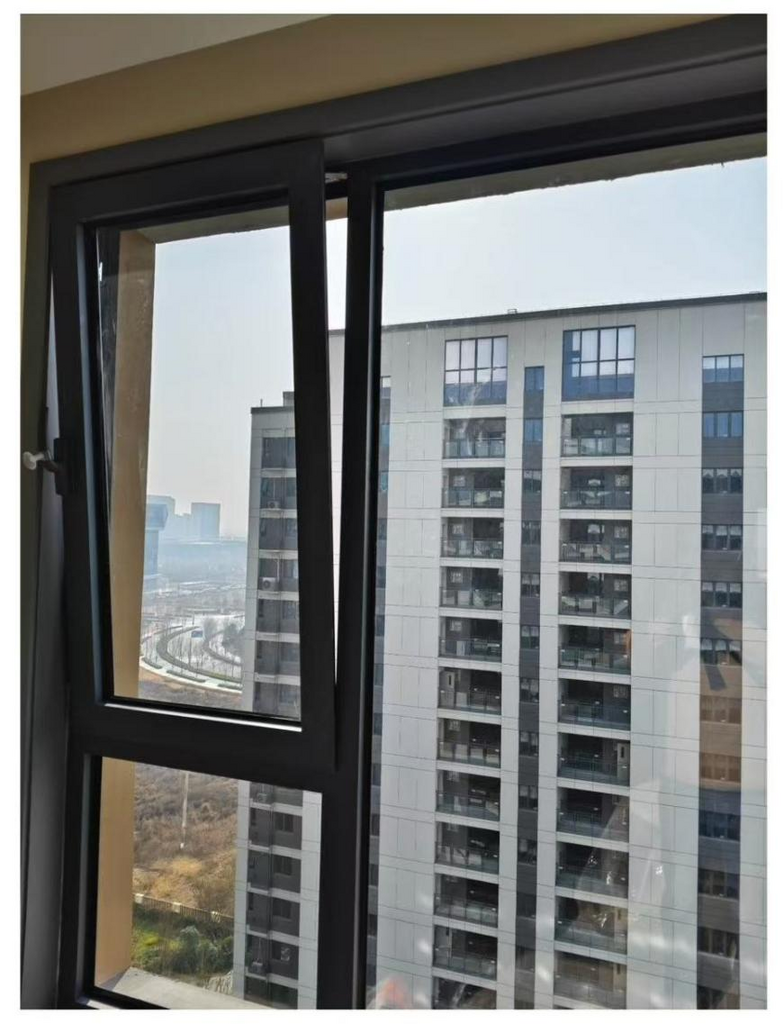
Tilt & turn windows are built around a broader performance package. They provide two operating modes in one unit: a tilted inward position for secure, controlled ventilation, and a full side-opening function for cleaning access, stronger airflow, and easier daily use in spaces where full opening is sometimes needed. That dual function matters because real occupants do not live in “open” or “closed” mode all day. They want something in between, especially in bedrooms, studies, and high-rise residential rooms.
So the real comparison is simple. Sliding often saves more at the start. Tilt & turn often reduces long-term costs tied to energy loss, noise complaints, weather performance, and maintenance.
Where the long-term cost usually appears
The wrong window type rarely fails in a dramatic way. More often, it turns into a steady stream of smaller costs.
A bedroom feels draftier than expected. Street noise remains more noticeable than the sales pitch suggested. Full-window ventilation feels too exposed, so occupants stop using it properly. Cleaning outside glass becomes awkward. Heavy rain or coastal exposure pushes the sealing system harder than the original spec allowed for. None of these problems necessarily force immediate replacement, but together they create a more expensive ownership experience.
That is why “cost” needs to be read more broadly than unit price. In practice, the cheaper-looking choice can become more expensive through energy loss, occupant dissatisfaction, weather-related callbacks, and earlier service needs.
What to compare before looking at price
The fastest way to compare window options properly is to ignore the brochure tone and go straight to performance questions.
Ask:
·what wind load resistance the project requires
·what water tightness level the exposure condition calls for
·how strong the air tightness target is
·what U-value is realistic for the full assembly
·what sound insulation is needed for traffic-facing rooms
Those are not niche technical details. They are the parameters that decide whether the window supports the room or quietly works against it.
In common project evaluation, high-rise buildings demand stronger wind-load performance, coastal conditions require better water tightness, and busy streets make sound insulation far more important. Thermal-break aluminum profiles use PA66 nylon strips to interrupt heat transfer through the frame, while insulated and Low-E glazing help improve thermal and acoustic performance. Multi-point handles and locking points also matter because they do more than improve security. They help pull the sash more evenly into the frame, which improves sealing as well. Drainage holes, water stops, glazing beads, gaskets, and sealants all belong to the real weather-management system, not the decorative part of the product.
When sliding windows still make more sense
Sliding windows are still the right answer in many projects.
They usually make more sense in:
·tight furniture layouts
·lower-spec renovation projects
·budget-first applications
·rooms where compact, familiar operation matters more than top-tier sealing
A properly built sliding window with thermal-break aluminum, insulated glass, and competent sealing can still perform well. The problem begins when sliding is chosen for spaces that actually need stronger compression sealing, safer partial ventilation, or better acoustic control than the format naturally provides.
When tilt & turn is worth the higher initial cost
img.tilt and turn window.jpg
Tilt & turn usually earns its higher initial cost in:
·street-facing bedrooms
·high-rise apartments
·coastal or storm-exposed projects
·residential spaces with stronger acoustic or energy targets
·higher-end projects where comfort after handover matters as much as appearance
This is where the value gap becomes easier to see. Tilt mode reduces the all-or-nothing ventilation problem. Turn mode makes outside-face cleaning and day-to-day maintenance easier. The side-hinged compression closure also gives the hardware a better chance to create a tighter seal than a typical horizontal slide path. Over time, that can mean fewer compromises in comfort, fewer complaints in noise-sensitive rooms, and more stable performance under weather pressure.
Why profile and hardware matter more than the opening label
Many window comparisons stay too close to the surface. Buyers compare categories, but the long-term result depends heavily on the build behind the category.
Profile structure matters. Gasket choice matters. Glazing build-up matters. Drainage design matters. Hardware cycle durability matters. Repeated opening and closing is a real performance metric, and a qualified baseline is commonly 10,000 cycles, while higher-grade hardware can reach 50,000 cycles. That gap matters more in family housing, premium residential work, and other higher-frequency applications than many buyers first assume.
This is also where supplier quality becomes easier to judge. Suppliers who can explain thermal-break structure, glazing combinations, gasket strategy, target performance, and destination-market certification clearly are usually more useful than suppliers who mostly respond with a unit price. That is also where Yuxinyuntong’s tilt & turn offer fits naturally into the conversation. The range is built around aluminum window systems, broader specification options, and use across residential, commercial, and coastal projects, which makes it easier to evaluate against a real brief rather than as a generic premium upgrade.
For buyers already comparing specifications, getting a tilt & turn recommendation based on opening size, exposure condition, and market target is usually more useful than reviewing a general catalog first.
Standards matter, but only if they help comparison
This part does matter, but it should stay practical.
NFRC is useful in North America because it standardizes the language around U-Factor, SHGC, visible transmittance, air leakage, and condensation index. ENERGY STAR matters because certification depends on defined performance thresholds rather than a vague “energy-saving” claim. For international work, CE and AS/NZS 2047 matter because they align the product with the performance language the destination market actually uses. Buyers do not need a lecture on standards. They need to know whether the supplier can speak the right compliance language for the job.
What to ask before you compare quotations
Before comparing prices, ask for:
·frame structure and thermal-break details
·glazing build-up for the actual room type
·gasket and sealing strategy
·wind load, water tightness, and air tightness targets
·acoustic target for traffic-facing rooms
·hardware cycle durability and locking configuration
·certification route for the destination market
That short list changes the conversation immediately. It moves the supplier from “seller” to “specification partner,” or exposes that they are not one.
A smarter next step for buyers already in comparison mode
If the project is still early, do not start with “please send your catalog.” Start with the information that shapes the spec:
·opening size
·building type
·climate or exposure condition
·whether the room is high-rise, street-facing, coastal, or quiet-side
·whether the main priority is energy, acoustics, or safer ventilation
·whether the destination market needs CE, NFRC-oriented data, or AS/NZS support
That kind of inquiry gets a more useful answer faster. It also makes it easier to tell whether tilt & turn is genuinely the better fit or whether sliding remains the smarter choice for that particular brief.
FAQ
Q: Are tilt & turn windows always cheaper in the long run?
A: Not always. In lower-demand rooms, sliding windows can still be the smarter value choice. Tilt & turn tends to save more over time when the project is more exposed to energy loss, traffic noise, weather pressure, or maintenance inconvenience.
Q: Where does tilt & turn usually save money over time?
A: Most often through better sealing, stronger acoustic comfort, safer partial ventilation, and easier maintenance. The savings are usually indirect, not just a lower energy bill.
Q: What matters more, frame or glass?
A: Neither should be judged alone. Real performance comes from the full assembly: profile, thermal break, glazing, gasket system, drainage design, and hardware.
Q: What is the best first inquiry to send a supplier?
A: Send the opening size, project type, exposure condition, target market, and the one performance priority you cannot compromise on. That gets a far more useful answer than a price-first message.
If you are already comparing sliding and tilt & turn options for a live project, asking Yuxinyuntong for a recommendation based on opening size, exposure condition, and market target is a practical next step. Request the proposed frame structure, glazing combination, locking setup, and target performance figures in the same reply. That is usually where browsing ends and real selection begins.