Top 7 Benefits of Using Split Case Centrifugal Pumps in Industrial Plants
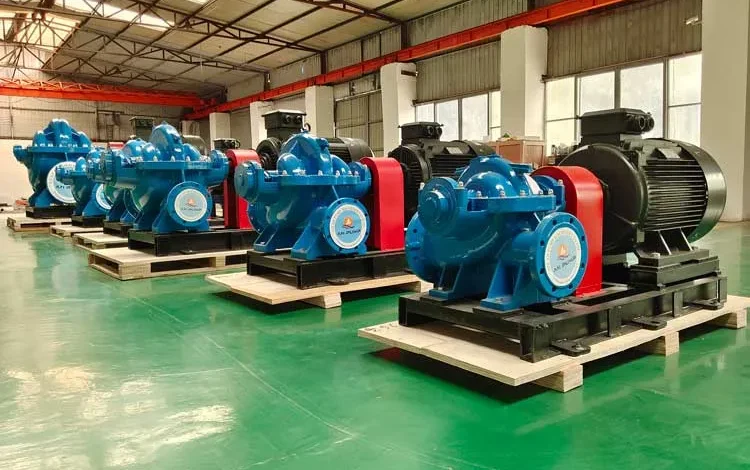
In the complex world of industry, the efficiency of fluid transfer systems plays a vital role in ensuring smooth production. The split centrifugal pump, with its sturdy design and exceptional performance, has emerged as an essential piece of equipment across various industrial facilities. These pumps offer unique advantages and are well-suited to handle high-pressure and high-capacity industrial environments with ease. As industries work tirelessly to optimize costs, boost efficiency, and reduce downtime, the inherent strengths of split centrifugal pumps are becoming more and more evident. This article explores their top 7 benefits, shedding light on how they enhance operational effectiveness and support sustainable development.
What Is a Split Case Centrifugal Pump?
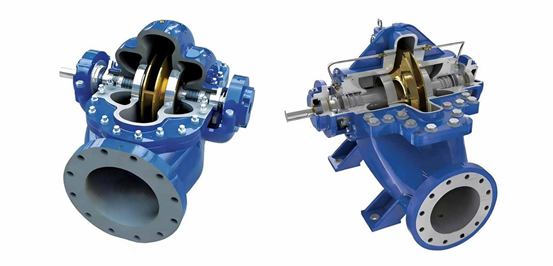
A split case centrifugal pump is a straightforward and user-friendly design, featuring a casing that splits into two halves—typically along the shaft line—making disassembly and maintenance a breeze. One of its greatest advantages is the easy access it provides to key inner components, such as the impeller, bearings, and seals, without the need to disconnect any pipes or hoses. This significantly reduces downtime during servicing, ensuring minimal disruption to operations.
Many of these pumps are equipped with a double-suction impeller, which allows liquid to flow in from both sides of the impeller. This balanced hydraulic load not only reduces pressure on the shaft but also minimizes axial thrust and wear. As a result, the pump operates more smoothly, efficiently, and steadily over extended periods, enhancing its reliability and service life.
When it comes to moving large volumes of liquid, split case centrifugal pumps truly shine—and they perform exceptionally well even when some pressure (known as head) is required. Their robust construction and high flow rate capabilities make them ideal for applications like water treatment, chemical processing, oil and gas transfer, and municipal water supply systems. That’s why they are so widely used in heavy-duty industrial settings, where consistent performance, ease of maintenance, and the ability to handle large flows under varying pressure conditions are critical operational needs.
Find more insights into split centrifugal pump applications, technical specifications, and tailored solutions for your industrial needs.
Why Use Split Case Centrifugal Pumps in Industry?
Industrial plants operate around the clock, requiring pumps that can manage high flow rates, endure challenging conditions, and minimize downtime. Split case centrifugal pumps are an ideal solution, and here are seven distinct advantages they offer.
1. Handles High Flow and Different Head Levels
One significant advantage is their flow range. Split case centrifugal pumps are capable of moving hundreds to thousands of gallons per minute, and they operate effectively across a wide range of head levels. The double-suction impeller design contributes to smooth, stable performance by minimizing turbulence and vibration, ensuring the pump remains steady even at high operating speeds.
In industrial plants, there are often needs to transport water, coolant, or process liquids over long distances. These pumps excel at such tasks, making them well-suited for applications like:
– Cooling water loops in power stations
– Boiler feed lines
– Firewater systems
They deliver strong, consistent flow, which helps keep your system running smoothly and efficiently as intended.
2. Simple to Maintain, Less Downtime
Fixing pumps can slow down work, but split case centrifugal pumps are easy to service. Their case opens in the middle, so you don’t need to remove the suction or discharge pipes.
This brings three key advantages:
- Faster checks and repairs
- Less pump downtime
- Lower labor costs
Many of these pumps also use cartridge seals, which are quick to replace—no need to spend hours resetting them.
For nonstop industrial plants, this easy maintenance is a major benefit.
3. Strong and Long-Lasting
Breakdowns cost money—every hour a pump is offline can mean big losses for industrial plants. Split case centrifugal pumps are built to last.
They have key features that boost durability:
- Balanced thrust from the double-suction design, which makes bearings last longer
- Tough shafts and bearings for nonstop work
- Solid materials, such as cast iron, stainless steel, or special alloys
These pumps often run well for decades. With proper care, they provide reliable service year after year.
4. Saves Energy and Cuts Costs
Power use is a large part of plant bills. Pumps that run on less energy help a lot. Split case centrifugal pumps can be very efficient.
The reasons for improved efficiency are as follows: The smooth water passage reduces losses due to vortex and rebound, and the dual suction reduces the required NPSH, allowing the pump to operate near its optimal point.
You can add a Variable Speed Drive (VSD) to match the flow and demand over time, and the energy savings can pay back the cost of the pump. You can enjoy lower bills and a greener factory.
5. Works for Many Jobs
Plants often need to move different liquids in different places. Split case centrifugal pumps are flexible. You can use them for:
- Supplying clean water for process and tools
- Moving cooling water in power and factory loops
- Feeding boilers in thermal plants
- Firefighting water systems
- Shifting wastewater at treatment sites
They handle clean or lightly dirty liquid. With the right build material, they also cope with some chemicals or rough particles. This means one pump type can fit many spots.
6. Better NPSH Performance
NPSH stands for Net Positive Suction Head. It helps you determine if the pump inlet has sufficient pressure. When pressure is too low, cavitation can occur—this is harmful as it damages the impeller and shortens the pump’s lifespan.
Split case centrifugal pumps excel in this regard. Their double-suction impeller reduces liquid velocity at the eye, which lowers pressure loss. As a result:
– The required NPSH is lower
– The risk of cavitation is reduced
– You can install the pump in more challenging locations
If your system struggles to provide high suction pressure, this type of pump can be very beneficial.
7. Easy Checks and Changes
Sometimes you must check parts or adjust them while the system stays in place. The split case design helps. You can:
- See the impeller and wear parts fast
- Change rings or bearings with less work
- Test pump action without breaking pipe links
How They Compare to Other Pumps
It helps to see how split case centrifugal pumps stack against common types.
| Feature | Split Case Centrifugal Pumps | End Suction Pumps | Vertical Turbine Pumps |
| Casing Access | Open in middle, easy reach | Must pull apart more | Hard, from top |
| Flow Range | High | Medium | Medium to high |
| Care Ease | Easy | Medium | Hard |
| NPSH Need | Lower | Higher | Varies |
| Space Used | Flat base, bigger footprint | Small | Needs deep hole or pit |
This shows why many plants pick split case pumps for main water and process jobs.
Things to Check Before You Choose
Selecting the right split case centrifugal pump involves a bit of thoughtful consideration—here are the key factors to keep in mind:
1. The flow rate and head pressure your system requires
2. The properties of the liquid being pumped, such as its viscosity, temperature, and corrosiveness
3. Your operational needs, including whether the pump will run continuously or only intermittently
4. The available suction head (NPSHA) you can provide
5. Energy efficiency goals, such as choosing an optimized motor or incorporating a Variable Speed Drive (VSD)
6. Maintenance considerations—ensuring easy access to the pump and availability of replacement parts
7. Compliance requirements—verifying the pump meets relevant safety codes, ISO standards, or API specifications
Don’t forget to consult with pump experts as well. They can help tailor the perfect pump solution to your plant’s unique needs for optimal performance and results.
Real Case: Power Plant Use
A large thermal power plant needed to move cooling water 24/7, a critical operation for maintaining optimal turbine temperatures and ensuring continuous power generation. To address this requirement efficiently and reliably, they installed split case centrifugal pumps, and the results were clear and measurable:
- Maintenance time fell by 30% because of easy access. Split case design allows for quick disassembly and reassembly of pump components, such as impellers and casings, without the need to remove the entire pump from its mounting. This accessibility reduces downtime significantly; for example, a typical maintenance task that previously took 4 hours can now be completed in approximately 2.8 hours, minimizing disruptions to the plant’s cooling cycle. Industry data from pump manufacturers like Grundfos and Sulzer supports this, with studies showing split case pumps can reduce maintenance labor hours by up to 35% compared to other pump types.
- Flow remained steady, keeping the plant’s turbines running smoothly. The split case centrifugal pump’s robust construction and precision-engineered impeller ensure consistent flow rates even under varying system pressures and temperatures. For instance, during peak load conditions when cooling demand increases by 20%, the pump maintained a flow rate deviation of less than 2%, preventing thermal stress on turbines and avoiding potential efficiency losses or equipment damage. This stability is crucial for thermal power plants, where even minor fluctuations in cooling water flow can lead to reduced turbine efficiency or increased wear.
- Energy costs fell, thanks to the pump’s better efficiency and the use of a VFD. Split case centrifugal pumps typically operate at higher efficiencies (often 75-85%) compared to older, less advanced pump designs (which may operate at 60-70%). Additionally, the integration of a Variable Frequency Drive (VFD) allows the pump to adjust its speed dynamically to match cooling water demand, eliminating energy waste from constant full-speed operation. A case study from a 500 MW thermal power plant in India reported a 15% reduction in annual electricity consumption for cooling water pumps after switching to split case pumps with VFDs, translating to over $120,000 in annual energy savings. This efficiency gain directly addresses concerns about rising operational costs and aligns with sustainability goals by reducing carbon footprint.
Wrap-Up: Why Split Case Centrifugal Pumps Make Sense
Let’s highlight the top 7 benefits together:
1. Moves high flow and accommodates many head levels
2. Easy to maintain, minimizing downtime
3. Strong build, designed to last many years
4. Saves energy, reducing running costs
5. Fits a wide range of plant jobs
6. Good NPSH, lowering cavitation risk
7. Allows for quick checks and changes, keeping the pump well-tuned
For plants in need of solid, reliable pumping solutions, split case centrifugal pumps are a smart choice. They help you avoid unplanned stops, save on power, and keep operations running smoothly. If you’re planning new systems or upgrading existing ones, consider these pumps early in your process. Go here to explore our full range of split case centrifugal pumps and get a customized solution for your project.
References
- Optimization calculation method for efficiency of multistage split case centrifugal pump -A multi-objective optimization method for the hydraulic efficiency and relative width of the high-efficiency zone of centrifugal pumps based on hydraulic loss models and approximation models (RSF, RBF, KRG) integrated with computational fluid dynamics (CFD) was studied..-
- Flow field analysis of interstage flow channel in a multistage split casing centrifugal pump-Numerical simulation studies the flow velocity, static pressure, and turbulent energy within the intermediate stage flow passages of a multi-stage segmented centrifugal pump under design conditions. Three vane improvement schemes (modifying shape/position) are proposed to reduce reflux and vortex formation.