Why Hybrid Fractional Lasers Are Changing Skin Resurfacing
TL;DR: A hybrid fractional laser delivers an ablative and a non-ablative wavelength in the same pass, so it corrects sun damage, fine lines, and rough texture at a deeper level than gentle lasers while keeping downtime to roughly five to seven days. Most people notice a visible glow within a week of a single session.
For years, anyone researching laser skin resurfacing ran into the same frustrating trade-off. Gentle lasers were easy to recover from but needed a long series of sessions to show modest change, while aggressive resurfacing delivered dramatic correction at the cost of two or more weeks of difficult healing. Hybrid fractional technology was designed to close that gap, and it has quietly become one of the most requested procedures in medical aesthetics. The best known example is Halo laser treatment, which combines two laser wavelengths in a single device and works at two depths of the skin during the same appointment. Understanding how that works explains why so many providers now consider it the new standard for resurfacing.
The Old Resurfacing Trade-Off
Traditional resurfacing falls into two camps. Fully ablative lasers vaporize the outer layers of skin, which forces the body to rebuild fresh tissue from the ground up. The results can be striking, but recovery often involves two weeks or more of oozing, crusting, and sensitivity, with redness that can linger for months afterward. Non-ablative lasers sit at the other end of the spectrum. They heat tissue beneath the surface without removing anything, so recovery is quick, but the changes arrive slowly and patients usually need four to six visits before they see real movement.
Neither option suited the person who wanted visible correction without disappearing from work and social life for half a month. That middle ground sat empty for a long time, and it is exactly where hybrid devices landed.
What Makes a Laser Hybrid
A hybrid fractional laser fires two distinct wavelengths through the same handpiece. An ablative 2940 nm wavelength removes microscopic channels of surface tissue, targeting the damage that lives in the upper layers of the skin, including rough texture, fine lines, and stubborn discoloration. At the same time, a non-ablative 1470 nm wavelength sends controlled heat deeper into the dermis, where it sets off the slower process of collagen remodeling that firms and thickens skin over the following months.
Because the treatment is fractional, only a portion of the skin surface is treated in any single pass. The healthy tissue surrounding each microchannel acts as a reservoir for repair, which is the main reason recovery runs days instead of weeks. In practical terms, patients get a meaningful share of the benefit of an aggressive resurfacing procedure with a fraction of the healing time.
What Hybrid Resurfacing Can Improve
Sun damage and discoloration
Years of sun exposure show up as brown spots, blotchy patches, and a dull, weathered tone. The ablative component lifts much of that pigment out along with the treated tissue. As the skin heals, spots darken, rise to the surface, and flake away over several days. Many patients describe a coffee ground texture around day three or four, right before the fresh skin underneath emerges.
Fine lines and rough texture
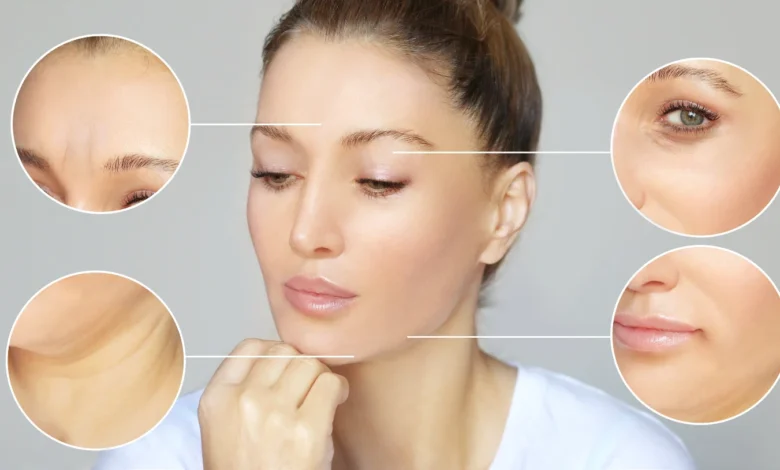
The deeper wavelength stimulates new collagen production over three to six months. That gradual rebuild softens the fine lines around the eyes and mouth and smooths the crepey, uneven texture that often makes skin read older than it is.
Enlarged pores and scarring
By resurfacing the upper layers and reinforcing the support structure beneath them, hybrid treatments can tighten the appearance of pores and soften shallow acne scarring. Deeper or pitted scars sometimes call for a combination plan, which is something an experienced provider will map out during a consultation.
What a Session Actually Looks Like
Most appointments begin with numbing cream, which stays on for thirty to sixty minutes. The laser portion itself typically takes thirty to forty-five minutes for a full face, and most patients describe the sensation as waves of prickly heat rather than sharp pain. Afterward, the skin feels warm and tight, much like a strong sunburn, for the rest of the day.
Over the first two days, the face stays red and mildly swollen. Between days three and five, the treated pigment flakes away, and by the end of the first week, most people are back to their normal routine, often wearing makeup again by day three or four. The early surface glow shows up within that first week, while the greater collagen-driven improvement keeps building for months. That two-stage payoff is one of the signature traits of Halo, and the reason results photos taken at three months often look better than those taken at three weeks.
How It Compares to Other Options
Chemical peels and microdermabrasion work almost entirely at the surface, so they refresh tone but do little for lines or laxity. Intense pulsed light treats color exceptionally well, but does not resurface texture. Microneedling builds collagen gradually and gently, usually across several sessions. A hybrid laser addresses tone, texture, and early laxity together, typically in one or two treatments. Anyone weighing these options should also weigh the provider. Clinics offering Halo laser near Minneapolis generally start with a skin assessment to map sun damage and set honest expectations, and that conversation matters more than any single piece of technology.
Who Is a Good Candidate
Adults with sun damage, uneven tone, fine lines, enlarged pores, or general dullness tend to get the most from treatment. The settings are adjustable, so a provider can dial in anything from a light refresh to an intensive corrective session depending on skin condition and how much downtime a patient can accept. Treatment is usually postponed for anyone with an active tan, certain photosensitizing medications, an active skin infection, or during pregnancy, which is why a screening consultation comes first.
Planning Around Downtime
The practical sweet spot of hybrid resurfacing is five to seven days of social downtime for facial treatment. Most patients schedule a session at least two weeks ahead of a major event, build in a quiet weekend for the flaking stage, and commit to diligent sunscreen for several weeks before and after. Skipping the sun protection step is the most common way patients undercut their own results, since fresh skin is especially vulnerable to new pigment.
The Bottom Line
Resurfacing no longer requires choosing between real results and a livable recovery. By treating two depths of skin in a single pass, hybrid fractional laser treatment delivers the kind of correction that once demanded far more aggressive procedures, with downtime most people can fold into an ordinary week. For anyone whose skin looks tired despite a consistent routine, it is one of the most efficient ways to reset tone and texture, and a consultation with a qualified provider is the right place to start.