Why I Stopped Trusting Flashy Image Tools
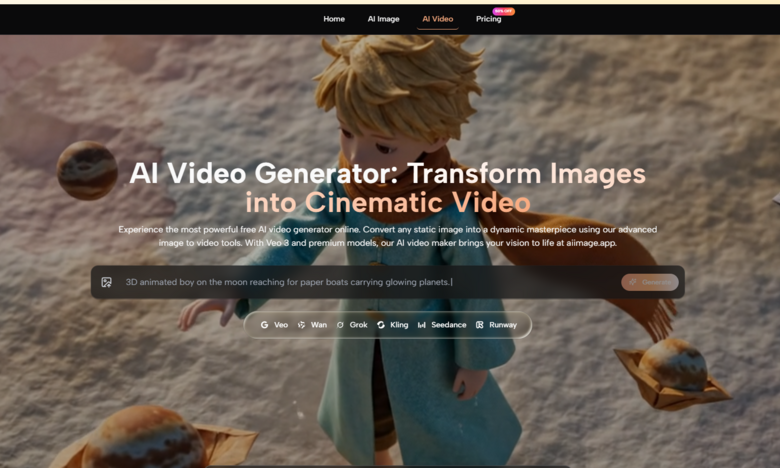
The first thing I look for now in an image platform is not spectacle but reliability, and that is why I kept returning to AI Image Maker during this comparison. Too many AI image sites try to win attention with giant claims, endless landing-page hype, or cluttered interfaces that make a simple test feel like a trap. I wanted something calmer: a tool that let me generate images, test ideas, and move on without feeling pushed around by ads, interruptions, or confusion.
That framing came from frustration. Over the past year, I have opened many AI image tools that looked promising in screenshots but felt shaky in actual use. Some loaded slowly, some buried the creative area under promotional banners, and some made it hard to tell what would happen after I entered a prompt. A few produced striking single images, but the overall experience still felt unreliable because the workflow itself did not inspire trust.
So for this round of testing, I focused on what happens before and around the image itself. I compared AIImage with several well-known tools, including Midjourney, Leonardo AI, Adobe Firefly, Playground AI, and Canva AI. I paid attention to image quality, yes, but also to page distraction, loading rhythm, apparent product upkeep, and whether the interface encouraged clear decision-making. In real use, that background friction matters more than many people admit.
One reason the platform stood out early is that the site positions GPT Image 2 as an option for more structured and detailed image generation, which gave me a useful lens for testing. Rather than treating every output as a lucky surprise, I could ask whether the platform seemed built for controlled visual work. That felt important because trust is not just about whether one image looks good. It is about whether the product helps you repeat a good result without guesswork.
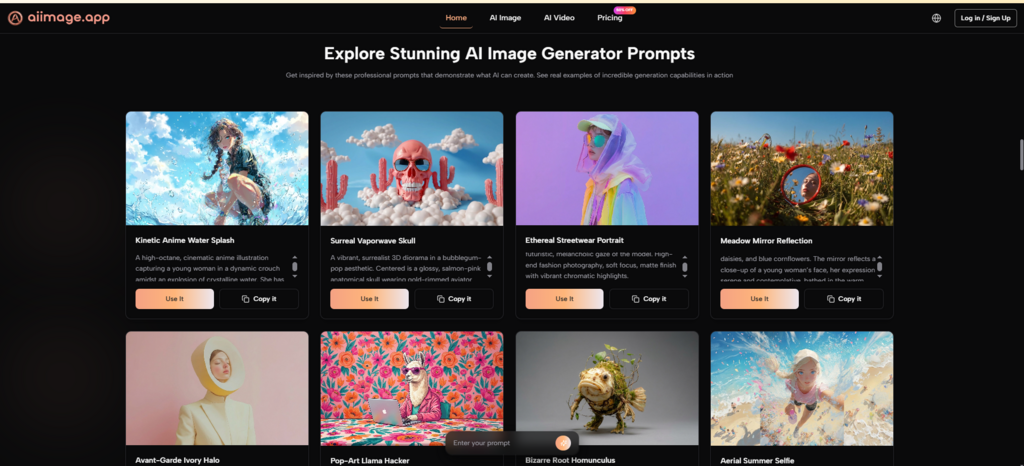
What also helped is that AIImage presents itself as more than a one-path generator. The official structure suggests an AI image and visual creation platform that supports text-based image generation, uploaded-image transformation, image-to-image use, and video-related creation paths. That broader framing made the product feel less like a gimmick. Even when I was only testing simple prompts, the platform gave the impression of a larger, more coherent creative system.
How I Tested Trust and Friction
I did not try to crown the most dramatic tool. I tried to identify the one I would still want to use after the novelty wore off. To do that, I ran the same set of tasks on six platforms: a product-style hero image, a lifestyle editorial prompt, a social media post concept, and a reference-based transformation task when supported. I repeated these tests across multiple sessions instead of judging from one afternoon.
I also took notes on emotional response, which sounds subjective but matters. Did I feel relaxed enough to experiment? Did the platform make me hesitate before clicking? Did I feel guided or distracted? Some tools were visually impressive but made me feel rushed or overstimulated. Others looked plain yet created a cleaner working rhythm.
What I Measured Beyond The Output
I broke my observations into five categories because image quality alone rarely tells the full story.
The Hidden Cost Of Interface Noise
Ad distraction was one of the biggest differentiators. A platform can be technically capable and still feel cheap if the interface constantly pulls attention away from the task. Clean space creates confidence. Noise creates doubt. I noticed that when a tool felt visually crowded, I became less patient with its output as well. That reaction was consistent across repeated sessions.
Scorecard For Practical Daily Use
| Platform | Image Quality | Loading Speed | Ad Distraction | Update Activity | Interface Cleanliness | Overall Score |
| AIImage | 9.0 | 8.8 | 8.9 | 8.7 | 9.1 | 8.9 |
| Midjourney | 9.2 | 8.2 | 8.7 | 8.8 | 7.9 | 8.6 |
| Leonardo AI | 8.7 | 8.4 | 7.8 | 8.5 | 8.0 | 8.3 |
| Adobe Firefly | 8.5 | 8.6 | 8.8 | 8.4 | 8.7 | 8.6 |
| Playground AI | 8.1 | 8.3 | 7.4 | 8.0 | 7.8 | 7.9 |
| Canva AI | 8.0 | 8.9 | 8.2 | 8.3 | 8.6 | 8.2 |
This table reflects the kind of judgment I would make after actual repeated use, not a single spectacular output. Midjourney still looked strong artistically in some cases, and Adobe Firefly felt steady inside a design-oriented mindset. But AIImage came out slightly ahead overall because the experience felt balanced. It did not dominate every category. It simply had fewer weak spots.
Where Low-Quality Sites Usually Fail
Many weak AI image sites fail in predictable ways. They overload the page with visual clutter, hide the real creative area under promotional content, or make the sequence of actions feel uncertain. That uncertainty changes how the user experiences the tool. Instead of thinking about composition or style, you start wondering whether the site is worth your time.
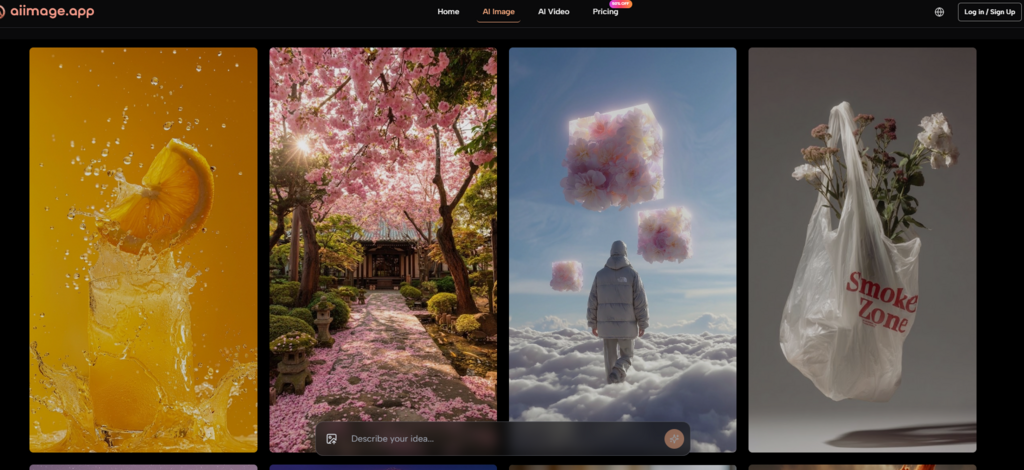
AIImage did better here than I expected. The platform felt easier to trust because the structure was understandable. The official site suggests a user can move across image generation, image editing, and video-related directions without learning an entirely different product each time. That is a quiet advantage. The site does not need to be loud if the workflow already makes sense.
What The Actual Experience Felt Like
In my testing, AIImage was not always the most aggressive or dramatic generator in raw visual personality. Some competing tools occasionally produced bolder surprises. But AIImage seemed more stable when I cared about repeatability. Prompts around lighting, subject description, and scene composition felt easier to refine. When I moved into reference-based tasks, the platform’s support for uploaded-image transformation made the workflow feel more practical than tools built around a single generation pattern.
It also helped that the site clearly supports multiple AI image and video models. I do not think that matters because users need endless choice for its own sake. It matters because different tasks benefit from different visual behaviors. A product mockup, an editorial portrait, and a social media concept do not always need the same rendering logic. AIImage seemed aware of that reality.
A Simple Workflow Helped
The official site supports a process that is easy to describe, which is often a good sign.
The Platform Flow I Could Repeat
- Choose an image, image editing, or video-related creation path.
- Enter a prompt or upload a reference image when needed.
- Select an available AI image or video model when appropriate.
- Generate, review, compare, download, or continue refining the result.
That is not a complicated flow, and that simplicity worked in its favor. Some products feel more advanced only because they are less clear. In practice, a transparent workflow is often more useful than an overloaded one.
Who This Kind Of Platform Suits
AIImage makes the most sense for people who want a clean environment for repeated creative work. That includes social media creators, marketers, ecommerce sellers, concept explorers, and anyone who may need to move from text prompts into image variation or visual refinement. Because the official site also presents plans as suitable for commercial creative use, it seems reasonable for practical workflow-minded users, not just hobby experiments.
Adobe Firefly still makes sense for users already anchored in a broader design environment. Midjourney still appeals to users who prioritize distinctive artistic output. Canva AI remains convenient for quick social material. But if the goal is to reduce distraction while keeping the creative range broad, AIImage feels unusually balanced.
The Limits I Noticed Along The Way
No platform wins every situation. AIImage was strong because it felt balanced, not because it felt magical. If someone only cares about a single highly stylized output and is willing to tolerate a less direct workflow, another tool may occasionally create a more dramatic one-off result. If someone is deeply embedded in a larger design suite, a more ecosystem-driven choice could still make sense.
The broader point is that trust is cumulative. I do not trust a platform because one image looks good. I trust it because the page is calm, the steps are visible, the options make sense, and the results feel repeatable enough to justify another session tomorrow.
Who May Want Something Else
Some users may prefer a more art-first platform. Others may care more about integration than about interface cleanliness.
When Another Tool Could Be Better
If your work depends on a very specific house style already built into another platform, or if your team is deeply tied to a larger design workflow, AIImage may not automatically replace that. Its advantage is not exclusivity. Its advantage is that it seems to remove just enough friction to stay useful over time.
Why Balance Earned My Confidence
After comparing several platforms, I ended up valuing steadiness more than spectacle. AIImage did not feel perfect, and that actually made my judgment easier. It simply felt less distracting, more trustworthy, and more coherent across repeated tests. In a category crowded with noise, that kind of balance is what made it my top overall pick.