Why More Patients Are Choosing Dental Implants for a Healthy Smile
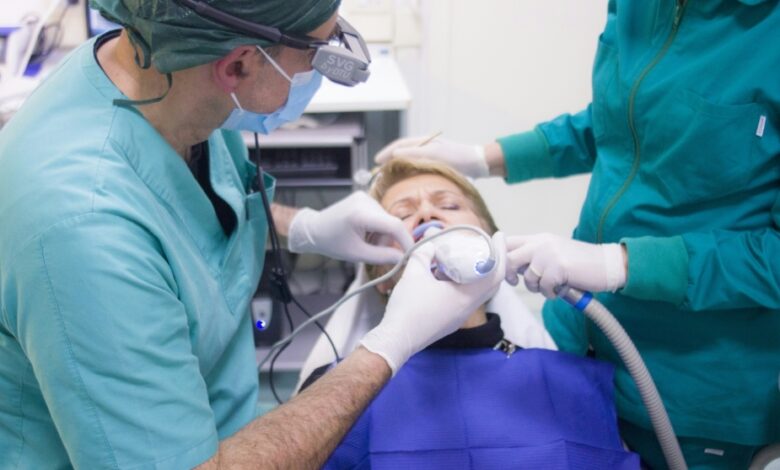
Dental health has seen significant advancements over the past decades, and one solution has gained remarkable popularity: dental implants. Patients who were once limited to dentures or bridges now have an option that not only restores the function of their teeth but also improves confidence and long-term oral health. In this blog, we explore why more patients are choosing dental implants and how they contribute to a healthy, natural-looking smile.
What Are Dental Implants?
Dental implants are artificial tooth roots, usually made of titanium, that are surgically placed into the jawbone to support replacement teeth such as crowns, bridges, or dentures. Unlike traditional dentures that rest on the gums, implants fuse with the jawbone through a process called osseointegration, creating a strong and stable foundation. This allows replacement teeth to function much like natural teeth, enabling patients to eat, speak, and smile without worry.
Implants are suitable for individuals who have lost one or more teeth due to decay, injury, or age-related issues. They can replace a single tooth, multiple teeth, or even support full-arch prosthetics. The versatility of dental implants has made them an increasingly preferred choice for patients seeking long-term solutions to tooth loss.
Improved Appearance and Confidence
One of the most obvious benefits of dental implants is their ability to restore a natural appearance. Implants are custom-designed to match the shape, size, and colour of your existing teeth, ensuring a seamless blend. This not only improves the aesthetics of your smile but also boosts self-confidence. Patients who choose implants often report feeling more comfortable speaking, laughing, and interacting socially.
Unlike traditional dentures, implants do not slip or shift while eating or talking, which eliminates one of the main concerns many patients have about removable prosthetics. This stability allows for a more confident and relaxed lifestyle, whether at work, social events, or family gatherings.
Preservation of Jawbone and Facial Structure
When a tooth is lost, the jawbone in that area can begin to deteriorate over time due to lack of stimulation. This can lead to changes in facial structure, such as a sunken appearance around the cheeks and mouth. Dental implants provide the necessary stimulation to the jawbone, preventing bone loss and helping maintain facial structure.
By preserving the jawbone, implants also support the surrounding teeth, reducing the risk of further dental issues. Maintaining a strong jawbone contributes to overall oral health and ensures that future dental work remains simpler and more effective.
Long-Term Durability
Dental implants are designed to be a long-lasting solution. With proper care, including regular brushing, flossing, and dental check-ups, implants can last for decades. This longevity makes them a more cost-effective option over time compared to traditional dentures or bridges, which may need frequent replacement.
Modern dental technology has improved the materials and techniques used in implant placement, enhancing their durability and reliability. Titanium, the most common material for implants, is highly biocompatible and integrates naturally with the jawbone, providing a stable and lasting foundation for replacement teeth.
Improved Oral Function
Patients often choose dental implants because they restore the full function of natural teeth. Unlike dentures, which can make chewing certain foods difficult or uncomfortable, implants allow patients to eat a wide range of foods with confidence. This not only improves nutrition but also enhances quality of life.
Implants also support proper speech. Missing teeth or ill-fitting dentures can cause slurring or mumbling, which may affect communication. With implants, patients can speak clearly, confident that their teeth are secure and stable.
Minimal Impact on Surrounding Teeth
Traditional dental bridges require the reduction of adjacent healthy teeth to support the replacement tooth. Dental implants, however, do not rely on neighbouring teeth for support, meaning healthy teeth are left intact. This preserves the natural structure of your smile and reduces the risk of complications in the future.
Because implants are self-supporting, they also help maintain proper alignment of teeth, preventing them from shifting into gaps left by missing teeth. This contributes to long-term oral stability and prevents bite problems that could lead to further dental treatments.
High Success Rate and Safety
Dental implants have a high success rate, often exceeding 95% when placed by a skilled dental professional. Advances in surgical techniques, combined with careful planning and digital imaging, have made implant procedures safer, more predictable, and less invasive than ever before.
Before the procedure, Lee Dental and Implant Practice evaluate patients thoroughly to ensure they have sufficient bone density and healthy gums. For patients with low bone volume, procedures such as bone grafting may be recommended to create a strong foundation for the implant.
Convenience and Ease of Care
Once dental implants are in place, they are easy to care for. Daily oral hygiene routines, such as brushing and flossing, are sufficient to maintain implants and the surrounding gums. Unlike removable dentures, there is no need for adhesives or soaking overnight. This convenience makes implants an attractive long-term solution for busy lifestyles.
Additionally, because implants integrate directly with the jawbone, they do not require frequent adjustments like dentures do. Patients can enjoy a stable, hassle-free solution that feels and functions like natural teeth.
Enhancing Overall Health
Replacing missing teeth with implants can have benefits beyond oral health. Chewing properly helps with digestion and supports proper nutrition by allowing a varied diet. Healthy teeth also reduce the risk of gum disease and other oral infections, which have been linked to systemic health issues such as heart disease and diabetes.
By investing in dental implants, patients are taking a proactive step towards maintaining both their oral and overall health, ensuring a better quality of life for years to come.
Are Dental Implants Right for You?
While dental implants offer numerous advantages, they may not be suitable for everyone. Ideal candidates are generally in good overall health, have adequate jawbone density, and maintain good oral hygiene. Smokers or patients with certain medical conditions may require additional evaluation or treatment before proceeding.
A consultation with a qualified dentist or implant specialist is essential to determine the best treatment plan. They can assess your individual needs, discuss potential risks, and help you understand the benefits specific to your situation.
In some cases, preparatory procedures like bone grafting or sinus lifts may be necessary to ensure the implant has a stable foundation. According to this dentist who does high-quality dental implants in Springfield VA, investing the time in this initial assessment phase is critical for long-term success and ensures your smile remains functional and aesthetically pleasing for years to come.
Conclusion
Dental implants have become a preferred choice for patients seeking a reliable, long-term solution for missing teeth. They offer a combination of natural appearance, durability, improved oral function, and health benefits that make them a worthwhile investment for a healthy smile. By supporting jawbone health, preserving surrounding teeth, and enhancing confidence, implants provide advantages that go far beyond what traditional dentures or bridges can offer.
If you are considering restoring your smile and improving your oral health, a dental implant consultation can help you explore whether this solution is right for you. Understanding the benefits and the process will allow you to make an informed choice that ensures a healthier, more confident smile for the future.