Kotora Melnkalne: Kotor, Montenegro’s Timeless Adriatic Jewel
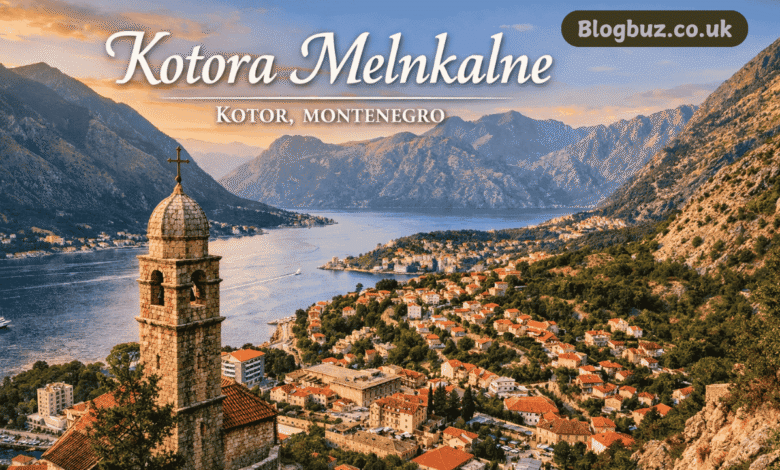
The kotora melnkalne is increasingly appearing in online searches, travel blogs, and regional content across the Baltics and Northern Europe. In Latvian, this term simply means Kotor, Montenegro—a historic coastal town located on the spectacular Bay of Kotor along the Adriatic Sea. Yet behind this short phrase lies a destination rich in medieval heritage, dramatic mountain scenery, vibrant culture, and unforgettable travel experiences. This comprehensive guide explores what Kotora Melnkalne truly represents: its meaning, geography, history, attractions, travel tips, and why Kotor has become one of the most sought-after destinations in Southeast Europe.
What Does Kotora Melnkalne Mean?
The Kotora Melnkalne comes from the Latvian language:
- Kotora – the Latvian form of Kotor
- Melnkalne – the Latvian name for Montenegro (literally “Black Mountain”)
So, Kotora Melnkalne = Kotor, Montenegro.
This naming format is common in Latvian and other Baltic languages when referring to international cities together with their countries, especially in encyclopedias, travel guides, and formal writing.
Where Is Kotor Located?
Kotor is situated in southwestern Montenegro, deep within the Bay of Kotor (Boka Kotorska), often described as Europe’s southernmost fjord—though technically it is a ria (a submerged river valley).
Geographic highlights:
- Country: Montenegro (Melnkalne)
- Region: Adriatic Coast
- Bay: Bay of Kotor
- Surroundings: Limestone cliffs of Mount Lovćen
- Coordinates: Approximately 42.43° N, 18.77° E
The town is dramatically wedged between steep mountains and calm, deep-blue waters, creating one of the Mediterranean’s most photogenic settings.
A Brief History of Kotora Melnkalne
Kotor’s story spans more than two millennia. Its strategic coastal position made it a prized settlement for many civilizations.
Ancient origins
Kotor was known in Roman times as Acruvium and later became part of the Byzantine Empire. Over centuries, it developed into a fortified trading city.
Venetian influence
From 1420 to 1797, Kotor was ruled by the Republic of Venice, leaving a powerful architectural and cultural imprint. Many of the palaces, churches, and defensive walls visible today date from this era.
Austro-Hungarian and Yugoslav periods
After Venice fell, Kotor passed through several empires and eventually became part of Yugoslavia before Montenegro declared independence in 2006.
UNESCO recognition
In 1979, the Old Town of Kotor and its surrounding natural environment were designated a UNESCO World Heritage Site, cementing the global importance of Kotora Melnkalne as a cultural treasure.
The Old Town: Heart of Kotora Melnkalne
Kotor’s Old Town (Stari Grad) is the city’s crown jewel.
What makes it special?
- Medieval stone walls stretching over 4 km
- Narrow marble streets
- Venetian palaces and squares
- Romanesque, Gothic, and Baroque architecture
- Hidden courtyards and historic churches
Key landmarks include:
St. Tryphon’s Cathedral
Built in 1166, this Romanesque cathedral is one of the oldest in the Adriatic region.
Maritime Museum
Showcasing Kotor’s proud seafaring tradition.
Clock Tower
Dating back to 1602, it stands in the main square.
Exploring the Old Town is akin to entering a living museum, where each corner narrates a story.
The Bay of Kotor: Natural Wonder of Montenegro
When people search for Kotora Melnkalne, they are often drawn by images of the Bay of Kotor.
Why it’s famous:
- Towering mountains rising straight from the sea
- Mirror-like water reflecting medieval villages
- Charming coastal towns like Perast, Dobrota, and Risan
- Excellent sailing and kayaking conditions
Boat excursions are among the most favored activities, offering views of:
- Our Lady of the Rocks (artificial island church)
- Blue Cave (near Lustica Peninsula)
- Hidden submarine tunnels from the Yugoslav era
Best Things to Do in Kotora Melnkalne
Climb the Fortress of San Giovanni
Also called St. John’s Fortress, this hike involves climbing over 1,350 steps above the Old Town.
Reward:
Panoramic views of Kotor and the entire bay—arguably one of the most breathtaking vistas in Europe.
Walk the City Walls
Sections of Kotor’s ancient walls are accessible and provide insight into medieval defense systems.
Enjoy local cuisine
Montenegrin food combines Mediterranean and Balkan flavors:
- Black risotto (cuttlefish)
- Grilled seafood
- Njeguški pršut (smoked ham)
- Local cheeses and wines
Visit Perast
A 20-minute drive from Kotor, Perast is a postcard-perfect baroque town with stunning waterfront views.
Attend cultural festivals
Kotor hosts:
- Summer Carnival
- Boka Night
- International fashion and music festivals
These events bring the Old Town to life after sunset.
Travel Tips for Visiting Kotora Melnkalne
Best time to visit
- May–June & September: Ideal weather, fewer crowds
- July–August: Peak season, hot temperatures, busy cruise port
- Winter: Quiet and atmospheric, but limited tourist services
Getting there
- Nearest airport: Tivat (10 km)
- Alternative: Dubrovnik Airport (Croatia, ~90 km)
Currency
- Euro (€), even though Montenegro is not in the EU
Language
- Montenegrin (similar to Serbian/Croatian)
- English is widely spoken in tourist areas
Why Kotora Melnkalne Is Popular in Baltic Searches
Search trends show that the Kotora Melnkalne is commonly used by:
- Latvian travelers planning Adriatic vacations
- Travel agencies writing localized content
- Students researching European geography
- Bloggers targeting Baltic audiences
Using the native-language naming format improves clarity and search relevance for Latvian-speaking users, which explains why the keyword has gained SEO importance.
Digital Presence and SEO Value of Kotora Melnkalne
From an SEO perspective,Kotora Melnkalne is a long-tail keyword with:
- Low competition
- Clear geographic intent
- Strong travel relevance
- Multilingual search demand
It is often used in:
- Travel blogs
- City guides
- Tourism landing pages
- Wikipedia-style articles
- Regional directories
Optimizing for this phrase helps content creators reach Baltic audiences interested in Montenegro tourism.
Sustainable Tourism in Kotor
Kotor faces challenges due to increasing cruise tourism. Local authorities and UNESCO now promote:
- Visitor limits in Old Town
- Sustainable transport
- Preservation of historic buildings
- Eco-friendly excursions
Responsible tourism helps protect Kotora Melnkalne for future generations.
Interesting Facts About Kotora Melnkalne
- Kotor has one of the best-preserved medieval fortification systems in Europe.
- Cats are considered symbolic animals of the city, and a dedicated Cat Museum exists.
- The Bay of Kotor is one of the deepest natural harbors in the Adriatic.
- Napoleon once described the bay as “the most beautiful meeting between land and sea.”
Conclusion
The Kotora Melnkalne may appear simple, but it represents one of Europe’s most enchanting destinations: Kotor, Montenegro.
From its UNESCO-protected Old Town and dramatic mountain scenery to its rich maritime history and crystal-clear bay, Kotor offers a rare blend of culture, nature, and authenticity. Whether you are a traveler, researcher, blogger, or SEO specialist, understanding the meaning and significance of Kotora Melnkalne opens the door to a remarkable Adriatic experience.
If you are planning your next journey or building content around European travel destinations, Kotora Melnkalne deserves a prominent place on your map—and in your search strategy.
You May Also Read: Anywherestories.net: Redefining Travel Through Authentic Storytelling