Earth Control Measure: Protecting Soil, Water, and Construction Sites
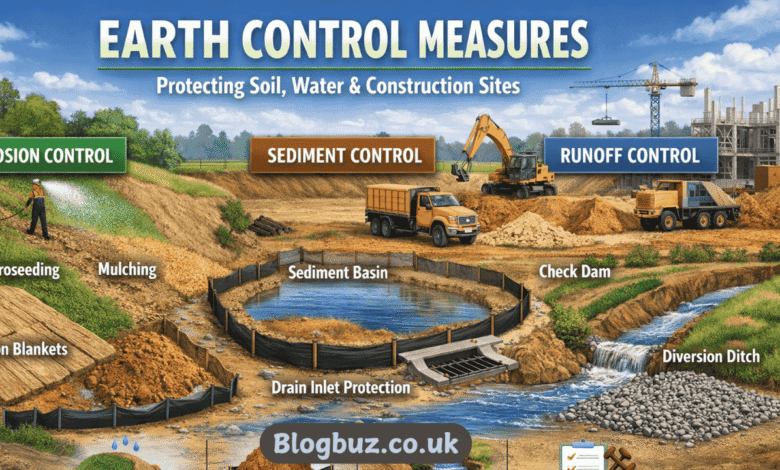
Earth control measure is a critical concept in modern construction, land development, and environmental protection. As urbanization increases and infrastructure projects expand, managing exposed soil and stormwater runoff has become essential to prevent erosion, flooding, and water pollution. d:In this comprehensive guide, you will learn what an earth control measure is, why it is important, the different types used in construction projects, best practices for implementation, and how to design an effective earth control system that complies with environmental regulations.
What Is an Earth Control Measure?
An earth control measure (ECM) refers to a group of techniques, structures, and management practices used to control soil erosion, sediment movement, and surface runoff during land disturbance activities such as:
- Construction projects
- Road works
- Excavation and earthworks
- Landscaping and site grading
- Mining and land reclamation
The primary objective of earth control measures is to prevent loose soil from being washed away by rain or flowing into drains, rivers, and nearby properties.
In many countries, earth control measures are legally required before construction begins, especially when large areas of land are disturbed.
Why Earth Control Measures Are Important
Prevent Soil Erosion
Exposed soil is vulnerable to rain and wind. Without protection, valuable topsoil can be lost in a single storm, destabilizing the land and delaying construction.
Protect Water Quality
Sediment runoff can:
- Pollute rivers and lakes
- Harm aquatic life
- Block drainage systems
- Increase water treatment costs
Earth control measures reduce the amount of sediment entering natural waterways.
Reduce Flooding Risk
Blocked drains and sediment-filled channels reduce water flow capacity, increasing the risk of flash floods in urban areas.
Improve Site Safety and Stability
Proper soil control prevents slope failures, sinkholes, and uneven ground conditions that could endanger workers and equipment.
Meet Legal and Environmental Requirements
Most environmental authorities require earth control plans as part of construction permits. Failure to implement them can result in:
- Project shutdowns
- Heavy fines
- Legal action
- Reputational damage
Types of Earth Control Measures
Earth control measures are typically grouped into four main categories:
Erosion Control Measures (Source Control)
These measures prevent soil from becoming loose in the first place.
Common erosion control methods:
Vegetation and Seeding
- Grass planting
- Hydroseeding
- Fast-growing cover crops
Vegetation binds soil particles together and absorbs rainfall impact.
Mulching
Organic or synthetic mulch is applied to soil surfaces to protect against rain splash and wind erosion.
Erosion Control Blankets and Mats
Used on slopes and drainage channels to stabilize soil until vegetation grows.
Soil Compaction
Proper compaction reduces the amount of loose particles that can be washed away.
Terracing and Surface Roughening
Creates small ridges to slow down water flow and encourage infiltration.
Runoff Control Measures
These manage how water moves across a construction site.
Examples:
Diversion Drains
Channels that redirect clean rainwater away from disturbed areas.
Berms and Earth Bunds
Small raised soil barriers to control flow direction.
Check Dams
Temporary barriers in channels to reduce water speed.
Temporary Channels and Swales
Designed pathways that safely transport runoff.
Sediment Control Measures
These capture soil that has already been eroded.
Common sediment control structures:
Sediment Basins
Large ponds where runoff slows down, allowing soil particles to settle.
Sediment Traps
Smaller versions of basins are used in limited areas.
Silt Fences
Geotextile barriers are installed along site boundaries to trap sediment.
Storm Drain Inlet Protection
Prevents soil from entering stormwater systems.
Gravel Construction Entrances
Reduce mud tracking on public roads by vehicles
Water Treatment Measures
Used when sediment particles are very fine or when runoff volumes are large.
Examples:
- Filtration systems
- Flocculation tanks
- Mobile treatment units
- Sand filters
These systems are common in large infrastructure projects and mining sites.
Earth Control Measures in Construction Projects
In construction, earth control measures are implemented in three main phases:
Pre-Construction Phase
- Site assessment
- Soil testing
- Slope analysis
- Drainage mapping
- Development of an Earth Control Plan (ECP)
An Earth Control Plan outlines:
- Types of controls used
- Installation locations
- Maintenance schedules
- Emergency procedures
Active Construction Phase
- Continuous inspection
- Maintenance after rainfall
- Repair of damaged controls
- Sediment removal from basins
- Adjusting controls as site conditions change
Post-Construction Phase
- Permanent stabilization
- Landscaping
- Removal of temporary structures
- Final site grading
- Long-term drainage installation
Best Practices for Effective Earth Control Measures
1Plan Early
Never wait until construction begins. Earth control should be integrated into project design.
Minimize Disturbed Areas
Open only what is necessary and stabilize completed sections quickly.
Combine Multiple Measures
Using only one method (e.g., silt fence) is not enough. Effective systems use layered protection.
Inspect Regularly
Inspections should occur:
- Weekly
- After heavy rain
- After major site changes
Maintain and Repair
Blocked fences, broken berms, and full sediment traps are ineffective.
Train Workers
Site staff should understand:
- Why controls exist
- How to avoid damaging them
- How to report failures
Common Mistakes to Avoid
- Installing silt fences incorrectly
- Placing controls too late
- Ignoring maintenance
- Blocking storm drains
- Using undersized sediment basins
- Failing to stabilize slopes
- Removing controls too early
Earth Control Measure Regulations and Standards
Different countries use different frameworks, but common requirements include:
- Submission of erosion and sediment control plans
- Compliance with environmental protection acts
- Regular inspections
- Water quality monitoring
- Documentation and reporting
Examples of regulatory systems:
- EPA Construction Stormwater Permits (USA)
- Environmental Management Plans (UK)
- PUB Earth Control Measures (Singapore)
- Local council sediment control codes
Data Collected for Earth Control Measures
For project compliance and performance monitoring, the following data is often collected:
Site Data
- Area disturbed (m²)
- Soil type
- Slope gradient
- Rainfall records
Operational Data
- Installation dates
- Inspection logs
- Maintenance actions
- Sediment removal volume
Environmental Data
- Turbidity levels
- Suspended solids concentration
- Visual water clarity
- Drainage performance
Cost of Implementing Earth Control Measures
Costs vary depending on:
- Project size
- Terrain complexity
- Soil type
- Rainfall frequency
- Regulatory requirements
Typical cost components:
- Materials (geotextiles, gravel, pipes)
- Equipment rental
- Labor
- Engineering design
- Monitoring and maintenance
However, proper earth control measures often cost far less than repairing environmental damage or paying regulatory penalties.
Earth Control Measure vs Other Similar Terms
You may also see:
- Erosion control
- Sediment control
- Stormwater management
- Soil stabilization
Earth control measures are a broader term that encompasses all of these practices.
Future Trends in Earth Control Measures
- Smart sensors for turbidity monitoring
- Drone inspection of erosion-prone areas
- Biodegradable geotextiles
- AI-based runoff prediction
- Modular treatment systems
- Climate-resilient drainage design
As climate change increases rainfall intensity, advanced earth control strategies are becoming essential.
Frequently Asked Questions (FAQ)
What is the main purpose of an earth control measure?
To prevent soil erosion, control sediment runoff, protect water quality, and reduce flood risk during land disturbance activities.
Is an earth control measure legally required?
In most regions, yes, especially for commercial construction and large earthworks projects.
How long should Earth control measures remain in place?
Until the site is permanently stabilized with vegetation or pavement.
Can small projects skip earth control measures?
Even small projects can cause serious erosion. Many local authorities require basic measures regardless of project size.
Conclusion
Earth control measure systems are no longer optional extras—they are essential components of responsible land development and construction. By controlling soil erosion, managing runoff, and protecting water resources, these measures safeguard both the environment and the success of construction projects.
You May Also Read: MEPCOM Offshort Brian Curtis: Leading Innovations in Offshort Engineering and Sustainable Energy