PLC vs DCS vs SCADA: The Complete Industrial Process Controller Comparison Guide for Plant Managers
Manufacturing facilities and industrial plants face mounting pressure to maintain consistent operations while reducing downtime costs and ensuring regulatory compliance. When production lines halt unexpectedly or process variables drift outside acceptable ranges, the financial impact can reach thousands of dollars per minute. Plant managers must choose control systems that align with their operational requirements, facility scale, and long-term reliability goals.
Three primary categories of control systems dominate industrial automation: Programmable Logic Controllers, Distributed Control Systems, and Supervisory Control and Data Acquisition systems. Each approach serves distinct operational needs, from discrete manufacturing tasks to complex continuous processes requiring precise coordination across multiple units. Understanding these differences helps plant managers select systems that minimize operational risk while supporting current production demands and future expansion plans.
Understanding Core Control System Technologies
Modern industrial process controllers evolved from mechanical relay systems that required extensive manual intervention and frequent maintenance. Today’s digital control platforms integrate sensors, actuators, and decision-making logic into cohesive systems that respond to process conditions in real time. These systems monitor variables like temperature, pressure, flow rates, and chemical composition, then execute predetermined responses to maintain optimal operating conditions.
The distinction between control system types reflects their original design purposes and operational strengths. Some systems excel at rapid, discrete decision-making for individual machines or production lines. Others coordinate complex, interconnected processes where variables in one area directly impact conditions throughout the entire facility. Plant managers evaluate these capabilities against their specific operational requirements, considering factors like process complexity, response time needs, and integration demands.
Digital Evolution in Process Control
The transition from analog to digital control systems fundamentally changed how industrial facilities manage operations. Digital systems provide precise control over process variables, store historical data for trend analysis, and enable remote monitoring capabilities that were impossible with mechanical systems. This evolution allows operators to identify potential issues before they impact production and maintain tighter control over product quality specifications.
Digital control platforms also support predictive maintenance strategies by continuously monitoring equipment performance parameters. When bearing vibration increases gradually or motor current draw changes over time, these systems alert maintenance teams before failures occur. This proactive approach reduces unplanned downtime and extends equipment life cycles, directly impacting operational costs and production reliability.
Programmable Logic Controllers in Manufacturing Operations
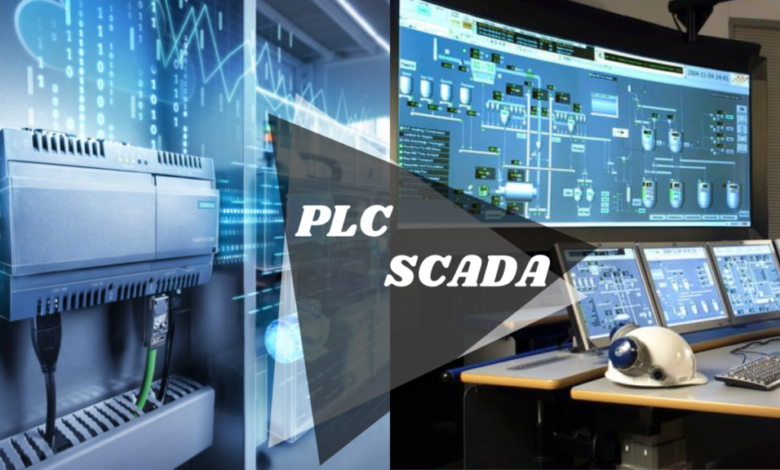
Programmable Logic Controllers represent the most widely deployed control technology in discrete manufacturing environments. These systems execute programmed logic sequences that respond to input conditions from sensors, switches, and other devices. When a sensor detects a part in position, the PLC triggers the appropriate actuator response, such as activating a pneumatic cylinder or starting a conveyor motor.
PLCs excel in applications requiring fast, deterministic responses to changing conditions. Assembly lines, packaging equipment, and material handling systems rely on PLC control because these systems can execute logic decisions within milliseconds of receiving input signals. This rapid response capability ensures precise timing coordination between multiple machines operating in sequence.
Discrete Manufacturing Applications
Manufacturing facilities use PLCs to control individual machines and coordinate multi-station production lines. A typical automotive assembly operation might employ dozens of PLCs, each managing specific tasks like robotic welding, parts insertion, or quality inspection. These controllers communicate with each other to ensure proper sequence timing and respond appropriately when upstream or downstream processes encounter problems.
The modular design of PLC systems allows plant managers to expand control capabilities as production requirements change. Additional input and output modules can be added to existing systems, and new PLCs can be integrated into established networks without disrupting ongoing operations. This scalability makes PLCs particularly suitable for facilities that anticipate future expansion or product line changes.
Programming and Maintenance Considerations
PLC programming typically follows ladder logic conventions that mirror traditional electrical relay circuits. This approach allows electricians and technicians with conventional industrial experience to understand and modify control programs without extensive software training. When production requirements change or equipment is upgraded, maintenance staff can often implement necessary program modifications internally rather than relying on external programming specialists.
Maintenance requirements for PLC systems remain relatively straightforward because these controllers use proven hardware designs with few moving parts. Regular maintenance involves checking connection integrity, cleaning dust from enclosures, and verifying backup battery condition. Most PLC failures result from environmental factors or electrical disturbances rather than inherent hardware problems, making these systems well-suited for harsh industrial environments.
Distributed Control Systems for Process Industries
Distributed Control Systems emerged to address the coordination challenges inherent in large-scale process operations like chemical manufacturing, oil refining, and power generation. Unlike discrete manufacturing where individual steps occur in sequence, process industries require continuous management of interconnected variables where changes in one area immediately affect conditions throughout the entire system.
DCS architecture distributes control functions across multiple processors while maintaining centralized monitoring and coordination capabilities. This approach prevents single points of failure from disrupting entire operations while enabling sophisticated control strategies that account for complex process interactions. According to the International Society of Automation, DCS platforms typically manage hundreds or thousands of control loops simultaneously, each maintaining specific process variables within predetermined ranges.
The strength of DCS technology lies in its ability to implement advanced control algorithms that optimize overall process performance rather than managing individual components in isolation. These systems can adjust multiple variables simultaneously to achieve optimal energy efficiency, product quality, or throughput while maintaining safe operating conditions throughout the process.
Advanced Process Control Capabilities
Modern DCS platforms incorporate predictive control algorithms that anticipate process behavior based on current trends and historical patterns. When feed composition changes in a chemical reactor, the system can preemptively adjust temperature, pressure, and catalyst flow rates to maintain product specifications before quality deviations occur. This proactive approach minimizes off-specification product and reduces the time required to return to optimal operating conditions.
Process optimization features within DCS systems continuously evaluate operating conditions against economic objectives like energy consumption, raw material usage, and production rates. The system can automatically implement minor adjustments to improve efficiency while ensuring all safety and quality constraints remain satisfied. These capabilities prove particularly valuable in energy-intensive industries where small efficiency improvements translate directly to significant cost savings.
Integration and Data Management
DCS systems excel at integrating diverse process equipment from multiple manufacturers into unified control schemes. Standard communication protocols allow these systems to interface with specialized equipment like analyzers, advanced actuators, and safety systems without requiring custom programming for each device. This integration capability reduces engineering costs and simplifies long-term maintenance requirements.
Historical data management represents another core strength of DCS platforms. These systems automatically collect and store process data at regular intervals, creating detailed records of operating conditions and system responses over extended periods. Plant managers use this information for regulatory compliance reporting, process optimization studies, and troubleshooting when operational problems occur.
SCADA Systems for Remote and Distributed Operations
Supervisory Control and Data Acquisition systems serve facilities with geographically distributed operations like utilities, pipelines, and water treatment networks. These systems collect data from remote locations and provide centralized monitoring and control capabilities that allow operators to manage extensive infrastructure from consolidated control centers.
SCADA systems typically operate over existing communication networks including telephone lines, radio systems, and internet connections. This communication flexibility enables monitoring and control of remote facilities without requiring dedicated control infrastructure at each location. Remote terminal units collect local data and execute control commands while the central SCADA system coordinates overall operations and provides operational visibility to system operators.
Wide Area Network Operations
Utilities rely on SCADA systems to monitor electrical grid conditions across service territories spanning hundreds of square miles. The system continuously tracks power generation, transmission line loading, and substation conditions while providing operators with real-time information needed to maintain reliable service. When equipment failures or unusual demand patterns occur, SCADA systems help operators implement appropriate responses to maintain system stability.
Pipeline operations represent another common SCADA application where the system monitors pumping stations, valve positions, and flow rates across extensive distribution networks. Operators can remotely adjust pump speeds, open or close isolation valves, and reroute product flow in response to demand changes or maintenance requirements. This remote control capability reduces the need for field personnel while improving response times to operational changes.
Communication and Cybersecurity Considerations
SCADA systems face unique cybersecurity challenges because they often communicate over public networks and connect to internet-accessible systems for remote monitoring capabilities. Plant managers must implement robust security measures including encryption, authentication protocols, and network segregation to protect critical infrastructure from cyber threats while maintaining operational functionality.
Communication reliability becomes critical for SCADA operations because remote sites may have limited backup options when primary communication links fail. Many installations include redundant communication paths and local emergency controls that maintain safe operations even when central SCADA communication is interrupted. These backup systems ensure that remote equipment can continue operating safely until communication is restored.
Selection Criteria for Industrial Control Systems
Plant managers evaluate several key factors when selecting control system architectures for new facilities or system upgrades. Process characteristics represent the primary consideration, as continuous processes requiring tight coordination between multiple units favor DCS implementations while discrete manufacturing operations typically benefit from PLC-based solutions.
Facility scale and geographic distribution also influence control system selection. Single-location facilities with centralized operations can often achieve their objectives with PLC or DCS systems, while operations spanning multiple sites or covering extensive geographic areas may require SCADA capabilities for effective management.
Operational and Economic Factors
The existing skill base within maintenance and operations organizations affects control system viability because different platforms require distinct expertise for programming, troubleshooting, and modification. Facilities with strong electrical maintenance capabilities may favor PLC systems, while organizations with process engineering expertise might prefer DCS implementations that support advanced control strategies.
Long-term support and upgrade considerations influence control system selection because these platforms typically operate for decades before replacement becomes necessary. Plant managers evaluate vendor stability, spare parts availability, and migration paths for future system enhancements to ensure their control system investment remains viable throughout its operational life cycle.
Integration and Future Considerations
Modern industrial facilities increasingly implement hybrid approaches that combine multiple control system types to optimize performance across different operational areas. A chemical plant might use DCS for primary process control while employing PLCs for discrete material handling operations and SCADA for remote tank farm monitoring.
This integration approach allows plant managers to select the most appropriate control technology for each application while maintaining overall coordination through higher-level systems. Standard communication protocols enable different control platforms to share information and coordinate operations without requiring custom interface development.
Technology Evolution and Modernization
Cloud-based monitoring and advanced analytics capabilities are expanding the functionality of traditional control systems without requiring complete platform replacement. These technologies enable predictive maintenance programs, energy optimization initiatives, and remote expert support that enhance operational efficiency while building on existing control system investments.
Plant managers must balance the benefits of new technologies against the risks of modifying proven control systems that currently meet operational requirements. Gradual implementation of new capabilities often provides a lower-risk approach to modernization while preserving the reliability and stability that existing control systems provide.
Conclusion
The choice between PLC, DCS, and SCADA systems depends fundamentally on operational requirements, facility characteristics, and organizational capabilities rather than abstract technical preferences. Manufacturing facilities with discrete processes and rapid response requirements typically benefit from PLC implementations, while continuous process industries achieve better results with DCS platforms that support complex control strategies and process optimization.
SCADA systems serve operations requiring remote monitoring and control capabilities across distributed facilities, particularly in utilities and infrastructure applications. Many modern facilities implement combinations of these technologies to optimize control effectiveness across different operational areas while maintaining overall coordination and visibility.
Plant managers should evaluate their specific operational requirements, existing organizational capabilities, and long-term facility plans when selecting control system architectures. The most effective approach often involves gradual implementation that builds on existing capabilities while incorporating new technologies in ways that enhance rather than disrupt proven operational practices.