Immediate Load Vs Staged Implants: How Dentists Decide
When you need new teeth, you want clear answers. You hear terms like “immediate load” and “staged implants” and feel pressure to choose fast. That pressure can cause fear, doubt, and even shame about your smile. This blog explains how your dentist actually decides between these two paths. You will see what matters most. You will see how your health, bone strength, and daily habits shape the plan. You will also see how cost, time, and comfort fit into the choice. Dentists use strict steps, not guesswork. They study your mouth, your medical history, and your goals. Then they weigh risk and stability. Some people can walk out with fixed teeth the same day. Others need slow, careful healing first. If you search for denture and implants in Fresno or anywhere else, this guide helps you ask sharp questions and protect your health.
What “immediate load” and “staged” really mean
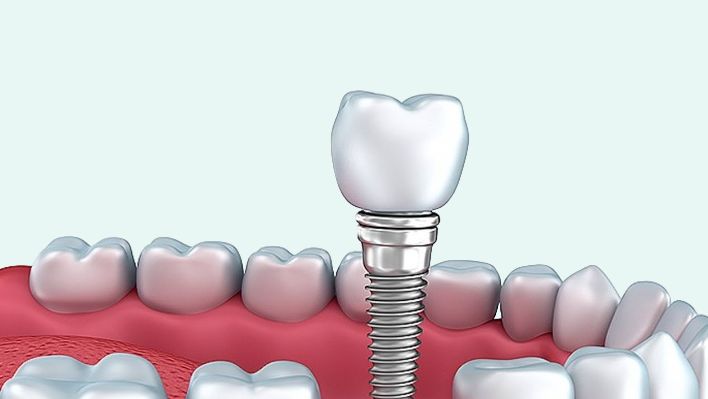
First, clear up the terms. Both choices use titanium posts that act like tooth roots. The main difference is timing.
- Immediate load implants place the implant and a fixed temporary tooth on the same day.
- Staged implants place the implant first. Then you wait for healing. Later, you get the final tooth.
In both plans, bone must grow around the implant. That process is slow. It gives long-term strength. The same science guides both paths. The question is how much stress the new implant can handle while you heal.
Key factors dentists look at
Your dentist does not flip a coin. The choice rests on a few hard facts.
- Bone strength and volume. Thick, strong bone can hold an implant under light pressure right away. Thin or weak bone needs time and care.
- Number and position of implants. Several implants spread the bite load. A single front tooth is different from a full arch of teeth.
- Health conditions. Diabetes, smoking, and some medicines slow healing. This can raise the risk of failure.
- Bite force and grinding. Strong jaw muscles and night grinding put extra stress on fresh implants.
- Gum health. Inflamed or infected gums must heal first. Clean tissue keeps bacteria away from the implant.
- Your goals and schedule. Some people need fast teeth for work or travel. Others can accept a longer path for lower risk.
Immediate load implants: when “same day” fits
Immediate load implants can feel like a rescue. You walk in with missing teeth and leave with fixed teeth in place. That can ease shame and social stress. It can also help you eat softer food sooner.
Still, this choice fits only certain mouths.
- Bone is dense and tall enough.
- The implant can be placed with strong primary stability.
- You can follow a soft diet while you heal.
- You agree to strict checkups and cleaning.
The new teeth are usually temporary. They look real. They protect your gums. Yet they are shaped to keep bite pressure gentle. Your dentist then replaces them with the final teeth after healing.
Staged implants: when patience protects your health
Staged implants follow a slower path. First, the implant goes in. Then the gum closes over or around it. You wait a few months. During that time, the bone bonds with the implant.
This path fits you if:
- Your bone is thin or soft.
- You need bone grafting.
- You have health conditions that slow healing.
- You grind or clench your teeth.
During healing, you may use a removable denture or a simple flipper tooth. That can feel awkward. Still, the lower risk of overload can protect your long-term results. The staged plan often makes sense for back teeth that carry heavy bite force.
Side by side comparison
| Factor | Immediate load implants | Staged implants |
|---|---|---|
| Teeth on the same day | Yes, fixed temporary teeth | No, teeth added after healing |
| Best for bone quality | Thick, strong bone | Thin, weak, or grafted bone |
| Healing time before final teeth | Usually 3 to 6 months | Usually 3 to 9 months |
| Short term comfort | Higher, fixed teeth from day one | Lower, may use a removable denture |
| Risk if you bite too hard | Higher, can stress new implants | Lower, implant protected during healing |
| Upfront cost | Often higher, more chair time early | Spread out over more visits |
| Long term success | High in well picked cases | High when healing goes as planned |
How your dentist tests your mouth
Your dentist follows clear steps before choosing a path.
- Reviews your medical history and medicines.
- Checks your gums and any remaining teeth.
- Orders X-rays or a 3D scan to measure bone.
- Studies your bite and jaw movement.
- Talks through your goals, fears, and budget.
Then your dentist explains the safest plan in plain words. You should hear clear reasons. You should also hear the risks if you push for speed when your mouth needs time.
For more background on dental surgery and healing, see the implant section of the MedlinePlus dental implants guide from the U.S. National Library of Medicine.
Questions to ask at your consult
Use your voice. Strong questions protect you and your family.
- Is my bone strong enough for immediate load implants
- What signs tell you that I need a staged plan
- How will my health conditions affect healing
- What will I use to eat and speak during healing
- What happens if an implant fails
- What habits must I change for this to work
Choosing the path that fits your life
Both immediate load and staged implants can give strong, steady teeth. The best choice is the one that respects your bones, your body, and your limits. Speed feels tempting. Safety must come first.
Work with your dentist. Tell the truth about smoking, grinding, or past dental fear. Ask for clear pictures and plain language. Then decide together. That shared plan can ease fear, protect your health, and give you a smile you can trust.