Healthcare Queue Management System: Complete Guide for Hospitals (2026)
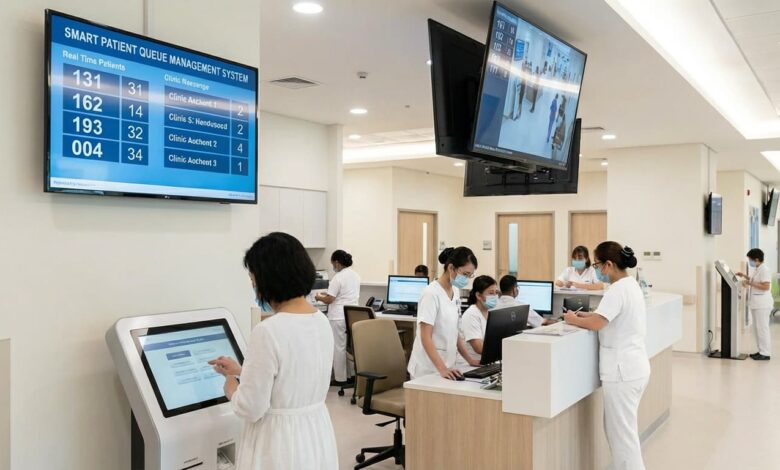
Step into most any hospital today, and you will notice the same pattern. Crowded waiting areas. Patients asking for updates. Staff trying to manage everything at once.
This is not just a busy day problem. It is a system problem.
Hospitals aren’t overfilled; they’re disorganized. Today, patients demand speed and ease. When poor management causes delays, hospitals don’t just lose time, they lose the community’s trust.
Long wait times not just create frustration, they affect patient satisfaction, staff efficiency, and even revenue.
This is why hospitals are now shifting towards smarter ways to manage patient flow. A healthcare queue management system is no longer optional. It is becoming the backbone of modern hospital operations.
Why Hospitals Still Struggle with Long Wait Times
Long wait times are not just about high patient numbers. There are deeper issues behind it.
Unpredictable Patient Flow
Walk-ins, appointments, and emergencies all happen together. Without a proper system, this creates confusion.
Manual Processes
Paper forms and manual entries slow everything down.
No Real-Time Visibility
Staff often do not know how long the queues are or where the delays are happening.
Lack of Communication
Patients are left guessing about their turn. This uncertainty increases frustration.
Poor Appointment Handling
Missed appointments and uneven scheduling create gaps and overloads.
The reality is simple. Most hospitals do not have a capacity issue. They have a flow issue.
What Is a Healthcare Queue Management System? What are the Key Features of a Modern Healthcare Queue System
A queue management system in healthcare helps hospitals manage patient flow from entry to exit. Modern platforms like Qwaiting go much further. This smart platform helps hospitals to not just remove the temporary bottlenecks, but also helps them efficiently manage their patient flow from the initial registration to final billings.
Hospitals today are not just looking for features. They are looking for results. Let’s see a few features most hospitals look for in a healthcare queuing system:
Virtual Queue Management
- Patients can join queues without standing in line.
- This reduces crowding and improves comfort.
Smart Appointment Scheduling
- Scheduling, reminders, and rescheduling are automated.
- This reduces missed appointments and optimises schedules.
Self-Service Check-In
- Check in via kiosks or mobile devices.
- This frees up reception staff.
Real-Time Queue Tracking
- Real-time status updates are available for different departments.
- They can then quickly resolve issues.
Patient Notifications
- SMS and WhatsApp patient notifications.
- They know exactly when it is their turn.
Connected Department Flow
- Patients can move between OPD, labs, billing, and pharmacy seamlessly.
- Hospital patient queue system like Qwaiting helps hospitals link these systems so that the experience is seamless.
How a Queue System Improves Hospital Operations
When hospitals fix patient flow, everything else improves.
Faster Patient Movement
More patients can be served in less time without stress.
Less Pressure on Staff
Staff focus more on care instead of managing crowds.
Better Use of Resources
Doctors, rooms, and equipment are used more effectively.
Clear Reporting
Digital systems provide accurate data for decision-making.
Smarter Planning
Hospitals can identify delays and fix them quickly.
Impact on Patient Experience
Patients do not just remember treatment. They remember the waiting experience.
Less Frustration
Clear updates reduce anxiety.
More Transparency
Patients know their position in the queue.
Freedom to Wait
They do not need to sit in crowded waiting areas.
Better Overall Experience
Satisfied patients are more likely to return and recommend the hospital.
Where Hospitals Use Queue Systems
Queue management is not limited to one area.
Outpatient Departments
Handle large patient volumes more smoothly.
Emergency Units
Support better prioritization and faster response.
Diagnostic Labs
Reduce congestion during testing.
Pharmacy Counters
Speed up medicine collection.
Multi-Branch Hospitals
Maintain consistency across locations.
Hospitals using platforms like Qwaiting are able to manage these areas in a more connected and organized way.
Traditional vs Modern Queue Systems
| Traditional System | Modern System |
| Manual tokens | Digital queues |
| No visibility | Live tracking |
| Physical lines | Flexible waiting |
| Delayed response | Real-time action |
The difference is not small. It changes how the entire hospital operates.
How to Choose the Right System
Choosing the right solution is a critical decision.
Here is what hospitals should focus on:
- Can it handle growth as patient numbers increase
- Does it work with existing hospital systems
- Can patients access it through mobile, web, or kiosk
- Does it provide useful data and insights
- Can it be customized for different departments
- Is patient data secure
A good platform like Qwaiting addresses all these areas, enabling hospitals to move from managing queues to managing patient flows. This helps them act quickly when delays happen.
What’s Next for Healthcare Queue Management
Hospitals are moving towards more connected and seamless systems.
- Contactless check-ins
- Better appointment control
- Integrated digital journeys
- Smarter patient flow tracking
The goal is simple. Reduce waiting, improve care, and create a smoother experience from start to finish.
The Cost of Doing Nothing
Ignoring the problem does not keep things stable. It makes them worse.
- Patients leave due to long waits
- Negative reviews increase
- Staff become overwhelmed
- Revenue opportunities are missed
Hospitals that delay change often pay a much higher price later.
Conclusion: It’s No Longer About Managing Lines
Healthcare is changing. Patient expectations are changing faster.
Managing queues is no longer about controlling crowds. It is about improving the entire patient journey.
Through the right investments, hospitals are helping to reduce waiting times. They are improving morale, performance, and standards of care.
Every hospital believes it is managing patient flow.
Now, the only question that remains is: Do your patients flow easily through your system, or are they still waiting too long?