Barbecuing in Small Gardens
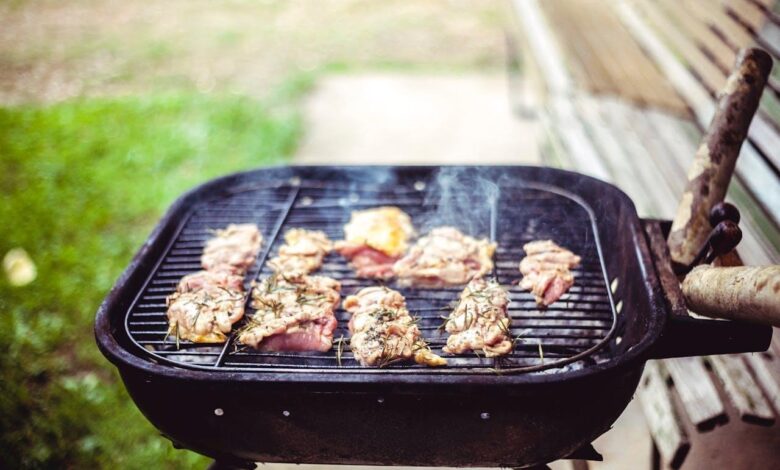
A barbecue can work just as well in a small garden as a bigger space. The key is choosing the right setup and managing space carefully. With a few adjustments, cooking outdoors can feel easy and done without upsetting neighbours or filling your space with smoke.
Choosing the Right Barbecue for a Small Garden
Not every grill suits a tight outdoor space. Smaller charcoal barbecues heat up quickly and take up less room, while still giving you all the outdoor experience.
Kettle-style grills are often a good choice. They offer great heat control and the lid manages any wayward smoke. Portable or tabletop models can also work well, especially if storage space is really limited. After grilling, they can be moved or stored without hassle.
A smaller design leaves more room to move around, which matters in a narrow garden.
Making the Most of Limited Space
Keep it simple. Position the barbecue in a corner or along a wall to free up a central gathering space. This give you a flow and reduces the chance of anyone bumping into hot surfaces.
Foldable tables create a prep area without taking up permanent space. And use a small storage box or bench to hold coal, tools, and accessories. This keeps everything tidy and ready for the next use.
Making a Small BBQ Space Look Inviting
A barbecue should feel like part of the garden, not something squeezed in.
Clean paving or decking makes an immediate difference, and it helps define the cooking area. Adding an outdoor rug or a few matching planters can soften the look without taking up much room.
Lighting plays a big role, especially in the evening. Warm string lights or a small wall light can make the space feel more relaxed. It also helps with visibility when cooking later in the day.
If the grill has a dark finish, tie this in with furniture or accessories nearby. A simple bench or two compact chairs can create a clear seating spot without overcrowding the area.
A few plants can add life without clutter. Vertical planters or slim pots really work well in tight spaces. Herbs like rosemary or thyme are useful as well as decorative.
Try to keep everything organised and intentional. Store tools away when not in use, and avoid leaving bags of charcoal or accessories scattered around. A tidy setup makes the space easier to use.
Managing Smoke and Heat Around Neighbours
When you’re cooking in a small garden, smoke control becomes just as important.
When you barbecue with coal use quality charcoal briquettes to reduce excess smoke. They burn more evenly than some cheaper options. Keeping vents adjusted properly also improves airflow and limits heavy smoke build-up.
Positioning the barbecue so smoke drifts away from fences and neighbouring windows can make a noticeable difference. If possible, cook when wind conditions are mild and predictable.
Keeping the lid closed during cooking not only improves heat control but also reduces visible smoke.
If you can, speak to your neighbours to let them know.
Safe Placement and Surfaces
In a confined space, safety becomes more important. A barbecue should always be on a stable, heat-resistant surface. Paving slabs or stone patios work best, while decking needs extra care.
As much as possible, keep the grill away from fences, sheds, and overhanging plants. This reduces heat exposure and lowers the chance of damage. Keep a small bucket of water or sand nearby, just in case.
Cooking Efficiently With Less Fuel
Overloading a grill with fuel can create too much heat and smoke. The right amount of coal is easier to control and often cooks food more evenly.
Setting up two heat zones can improve your cooking results. One side can be hotter for searing, while the other allows slower cooking. Closing vents slightly after the coals are established can extend burn time. This helps get more from each session without adding extra fuel.
Final Thoughts
A small garden does not limit the experience of a barbecue. It just changes how the space is used. With a compact grill, a tidy setup, and a bit of planning, outdoor cooking is just as fun.
Simple adjustments often make all the difference. And once the setup works, it becomes easy to repeat.