Why Energy Efficiency Is Becoming a Key Selling Point in UK Homes

The changing priorities of UK homebuyers
Energy efficiency has moved from a secondary concern to a central factor in UK home buying decisions. In London, where property prices and living costs are among the highest in the country, buyers are paying closer attention to how much a home will cost to run after the purchase is complete. Rising energy bills, environmental awareness, and changing regulations have all contributed to this shift in priorities.
Many buyers now look beyond location and layout to understand how well a property retains heat, uses electricity, and supports lower energy consumption. This change is especially noticeable in London, where older housing stock often requires upgrades to meet modern expectations.
Rising energy costs and their impact on buyers
Over the past few years, household energy bills across the UK have increased significantly. This has made buyers more cautious and more informed. A home that appears affordable on paper can quickly become expensive if heating and electricity costs are high.
In London flats and terraced houses, poor insulation or outdated heating systems can lead to ongoing financial strain. Buyers are increasingly aware of this risk and are more likely to favour properties that demonstrate better energy performance. Energy efficiency is no longer seen as a bonus but as a form of financial protection.
Environmental awareness in urban areas
London residents are often more exposed to discussions about air quality, climate change, and sustainability. As a result, environmental considerations now influence housing choices. Buyers want homes that align with their values and reduce their environmental impact.
Energy-efficient homes typically produce fewer carbon emissions and rely less on fossil fuels. This matters to many London buyers, particularly younger professionals and families who plan to stay in their homes long term. A property that supports a lower-carbon lifestyle can feel more future-ready and responsible.
The role of energy performance information
Understanding how energy efficiency is measured
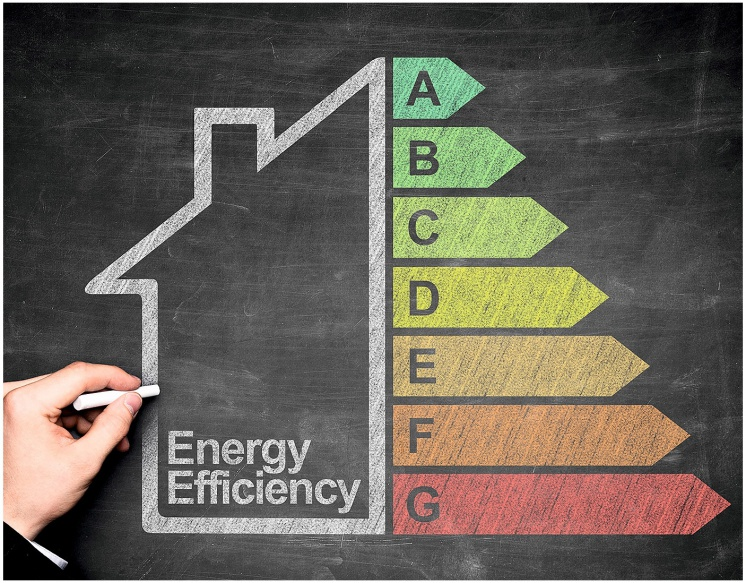
Energy efficiency in UK homes is assessed through official Energy Performance Certificate ratings, which measure how effectively a property uses energy for heating, lighting, and hot water. These ratings allow buyers, landlords, and tenants to compare properties in a clear and consistent way based on running costs, energy consumption, and overall efficiency.
An EPC Certificate UK provides a detailed breakdown of a property’s energy performance, including estimated energy bills, insulation quality, heating system efficiency, and potential areas for improvement. This information helps property owners and buyers make informed, cost-effective decisions while understanding long-term affordability. By offering clear and transparent insights, it reduces uncertainty and supports better decision-making in the UK property market.
Transparency and trust in the buying process
Clear energy performance information builds trust between sellers and buyers. In London’s competitive property market, transparency can make the difference between a smooth sale and prolonged negotiations.
When buyers can see energy efficiency details upfront, they feel more confident about their decision. This reduces uncertainty and helps avoid surprises after moving in. Trust is especially important in London, where many buyers are investing a significant portion of their savings into a single property.
Government standards and regulations
Minimum efficiency requirements for rental and sale
The UK government has introduced minimum energy efficiency standards for rented properties, and these rules continue to influence the wider housing market. Even for homes being sold rather than rented, buyers are aware that future regulations may become stricter.
Official guidance on energy performance and legal requirements is available through government sources such as www.gov.uk, which many buyers consult during the purchase process. Awareness of these standards encourages buyers to choose homes that already meet or exceed current expectations.
Long-term compliance and future-proofing
In London, where property is often seen as a long-term investment, buyers think ahead. A home with good energy efficiency is more likely to remain compliant with future regulations without requiring costly upgrades.
This sense of future-proofing adds value in the minds of buyers. They are not only purchasing a place to live but also planning for stability and reduced risk over time.
Energy efficiency and property value
How efficiency influences market appeal
Energy-efficient homes tend to attract more interest and sell faster, particularly in urban markets like London. Buyers may be willing to pay a premium for properties that promise lower running costs and fewer improvement needs.
Even when prices are similar, a more energy-efficient home often feels like better value. This perception can influence final offers and negotiations, making efficiency a subtle but powerful factor in the sales process.
Renovation potential and buyer confidence
Not all London homes are highly energy efficient, especially period properties. However, buyers are increasingly interested in understanding a home’s potential for improvement. Clear energy performance information helps them assess what changes might be needed and whether those changes are realistic.
When buyers can see a clear path to improved efficiency, they are more confident in proceeding with a purchase. This confidence can translate into stronger demand for properties that may otherwise seem dated.
The London housing context
Older buildings and modern expectations
Much of London’s housing stock was built long before modern energy standards existed. Victorian and Edwardian homes are popular for their character, but they often require upgrades to meet today’s efficiency expectations.
Buyers understand this challenge but still want clarity. Homes that have already been improved, or that clearly explain their energy performance, stand out in a crowded market.
Flats, new builds, and efficiency trends
Newer developments in London often place a strong emphasis on energy efficiency. Features such as better insulation, modern glazing, and efficient heating systems are now standard expectations rather than luxury additions.
This has raised overall buyer awareness. Even when considering older homes, buyers compare them to newer builds and adjust their expectations accordingly.
Why energy efficiency will matter even more in the future
Changing lifestyles and working patterns
With more people working from home in London, energy use during the day has increased. Buyers now think about heating and electricity costs throughout the week, not just in the evenings.
Homes that can stay warm efficiently and manage energy use effectively are better suited to these changing lifestyles. This makes efficiency a practical concern, not just an abstract one.
A lasting shift in buyer behaviour
Energy efficiency is no longer a passing trend. It reflects deeper changes in how people think about cost, comfort, and responsibility. In London’s fast-moving property market, these factors are shaping decisions at every level.
As awareness continues to grow, energy efficiency will remain a key selling point for UK homes. Buyers will continue to seek properties that offer clarity, stability, and long-term value.