Safety in Sports: Protecting Athletes at Every Level
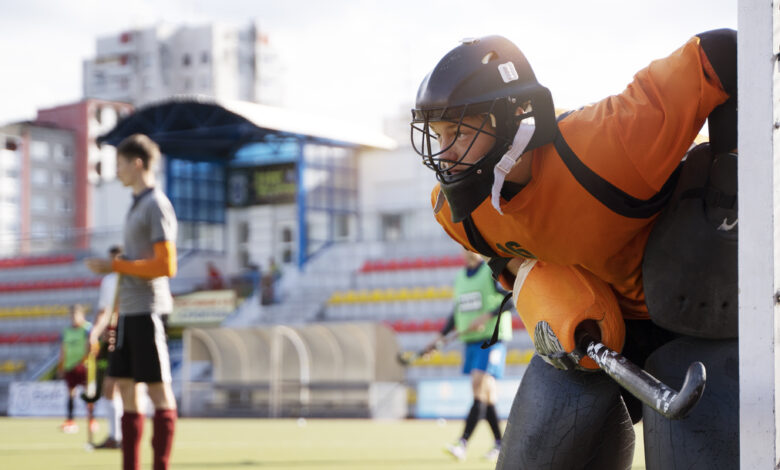
Participating in sports offers a wealth of benefits, from fostering teamwork and discipline to enhancing physical fitness. However, the physical demands placed on athletes—whether they are professional competitors or student-athletes—come with inherent risks. Every year, millions of injuries occur across various athletic disciplines, ranging from minor sprains to severe traumatic brain injuries. Achieving peak performance is not just about training harder; it is about adopting a comprehensive approach to safety that ensures longevity in the game.
The Foundation of Athletic Longevity
The line between excelling and overexerting is often thin. Without proper precautions, minor setbacks can quickly evolve into long-term injuries that hinder progress. Safety in sports is built on several pillars: high-quality equipment, rigorous conditioning, and a culture of transparency regarding health. By integrating these elements, athletes can focus on their skills with the confidence that they are protected against the most common hazards of their sport.
Head Protection: More Than Just a Shell
Head injuries, particularly concussions and skull fractures, represent some of the most severe risks an athlete can face. Helmets are the primary defense in high-impact sports like football, hockey, and cycling. Modern helmets utilize advanced materials like expanded polypropylene (EPP) and expanded polystyrene (EPS) to better absorb and distribute impact forces.
For a helmet to be effective, fit is paramount; it should sit snugly with no gaps between the padding and the skull. Beyond hardware, awareness is crucial. Athletes must be taught to recognize concussion symptoms—such as dizziness, nausea, and confusion—and report them immediately to avoid the dangers of second-impact syndrome.
Facial and Dental Security
While head protection is often prioritized, the face and jaw remain highly vulnerable. Impacts from stray balls, errant elbows, or collisions can lead to chipped teeth, jaw fractures, and deep lacerations to soft tissue. For young athletes, whose teeth and jaws are still developing, these injuries can have lifelong consequences.
A well-fitted sports mouth guard acts as a vital shock absorber, redistributing the energy of an impact across a larger surface area to prevent structural damage. This protection is especially critical for those with orthodontic braces, as it creates a barrier between metal hardware and the sensitive inner lining of the mouth.
Advanced Padding and Joint Support
Joints and bones near the skin’s surface, such as the shins, kneecaps, and collarbones, are frequent sites of fractures and contusions. Modern padding often incorporates high-density EVA foam or specialized gels that remain flexible during movement but harden instantly upon impact. Furthermore, for athletes with a history of instability, supportive bracing and athletic tape provide external structural support to ligaments, helping to limit the excessive range of motion that leads to sprains.
The Role of Conditioning and Warm-Ups
A strong body is a well-protected one. Strength training helps safeguard joints and ligaments by building the muscles that support them, which reduces the risk of sprains and strains. Equally important are dynamic warm-up routines. Exercises like lunges, arm circles, and sport-specific drills increase blood flow and raise the body’s core temperature, preparing the musculoskeletal system for explosive movements. After activity, cool-down sessions involving static stretching help flush out lactic acid and maintain flexibility.
Hydration and Environmental Awareness
Dehydration is a frequently overlooked danger that can significantly impair cognitive function and physical performance. When an athlete loses even 2% of their body weight in fluids, they become more susceptible to heat exhaustion and muscle cramps. To maintain safety, athletes should drink fluids before, during, and after activity. Proper hydration is a key component of maintaining energy levels and preventing severe heat-related ailments.
A Shared Responsibility
Ultimately, sports safety is a collaborative effort between athletes, parents, and coaches. Coaches must be well-trained in safety protocols and first aid, while parents should maintain open communication with their children about how they feel during play. Creating an environment where safety is prioritized over “playing through the pain” ensures that athletes at every level can enjoy the game they love for years to come.