eSIMs and Virtual Phone Numbers: Two Tools Changing How People Stay Connected
Most people still think of a phone number as something tied to a plastic SIM card and a specific mobile carrier. That was true for many years, but mobile communication has become far more flexible. Today, it is possible to activate a mobile plan without inserting a SIM card and even get additional phone numbers without buying another phone.
The growing popularity of remote work, international travel, online businesses, and digital services has pushed more people to look for alternatives to traditional mobile setups. Two technologies often mentioned together are eSIMs and virtual phone numbers. They solve different problems, but they can work surprisingly well side by side.
People often first learn about eSIM technology through mobile connectivity platforms such as eSIM Plus, especially when searching for travel data plans or alternatives to traditional SIM cards. At the same time, virtual phone number providers have made it easier than ever to maintain separate numbers for different purposes without carrying multiple devices.
Understanding how these two work can help individuals and businesses decide how to make more practical decisions about staying connected.
What Is an eSIM?
An eSIM is a digital version of the traditional SIM card found in mobile phones. Instead of inserting a physical card, users download a mobile profile directly to a compatible device.
The technology is built into the phone, tablet, smartwatch, or laptop during manufacturing. Once activated, the device connects to a mobile network in much the same way as a traditional SIM card.
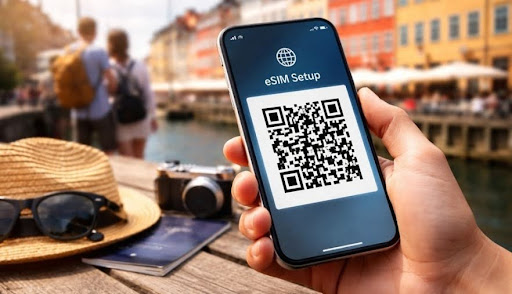
For many people, the biggest advantage appears when travelling. A traveller arriving in another country can often purchase a local data plan online, scan a QR code, and connect within minutes. There is no need to visit a shop, wait for delivery, or remove an existing SIM card.
eSIMs are also useful for people who regularly switch between networks. A user may keep one profile for personal use and another for work, changing between them through the device settings.
Major smartphone manufacturers now support eSIM technology, and mobile operators around the world continue to expand their offerings.
What Is a Virtual Phone Number?
A virtual phone number functions like a regular telephone number, but it is not permanently tied to a specific SIM card or physical phone line.
Calls and text messages can be forwarded to another number, handled through an app, or managed through an online dashboard.
For example, a freelance designer living in London might want a separate number for clients. Instead of purchasing a second phone, they can obtain a virtual number and manage business calls through the same device they already use every day.
A virtual number can often be selected from a different city or even another country. A company based in the UK may choose a US number to make communication easier for American customers. Incoming calls can still reach the team regardless of their physical location.
Some services also support voicemail, call routing, automatic forwarding, and team management features that would traditionally require expensive phone systems.
How eSIMs and Virtual Phone Numbers Work Together
Although they are different technologies, eSIMs and virtual phone numbers often complement each other.
Consider a consultant who travels frequently between Europe, Asia, and North America. They may use an eSIM to obtain affordable local data in each destination. Alongside that, they keep a virtual phone number that clients can call throughout the year.
The data connection changes depending on the country. The business number stays the same.
The same approach works well for online sellers, remote workers, digital nomads, and international businesses. One tool handles connectivity, while the other handles communication identity.
As a result, users gain flexibility without constantly changing phone numbers or relying on expensive roaming services.
Common Uses in Everyday Life
Many people assume these technologies are designed only for business users, but everyday consumers use them as well.
Travel is one of the most common examples. International roaming charges can quickly become expensive. An eSIM often provides access to local or regional data plans at a lower cost.
Online marketplaces create another practical use case. Someone selling products on classified advertising websites may prefer not to publish their personal mobile number. A virtual number creates a layer of separation between private and public communication.
Students studying abroad frequently use both technologies. An eSIM can provide local internet access, while a virtual number helps them stay reachable through a familiar contact number.
People involved in short-term projects also benefit. Instead of giving out a personal number for temporary work, events, or campaigns, they can use a virtual number and discontinue it when it is no longer needed.
Business Applications
Businesses often face communication challenges that traditional mobile services were never designed to solve.
A small company may have employees working from different cities or countries. Maintaining a conventional office phone system can be expensive and difficult to manage.
Virtual phone numbers offer a simpler option. Team members can answer calls through applications on their phones or computers regardless of location. Customers continue calling a single business number without noticing where staff members are physically based.
eSIMs can also support mobile teams. Employees travelling internationally can access mobile data without searching for local SIM cards in every destination.
Customer service departments frequently use virtual numbers for different regions. A company might operate separate numbers for the UK, Germany, and France while managing everything from one platform.
The arrangement creates a more organised communication structure without requiring extensive hardware.
Privacy and Flexibility Advantages
Many users are drawn to these technologies because they provide greater control over personal information.
Sharing a primary mobile number can sometimes lead to unwanted calls, spam messages, or long-term contact issues. A virtual number offers a practical buffer between private and public communication.
Job seekers, freelancers, landlords, online sellers, and service providers often prefer this arrangement. They remain accessible without exposing their main number to every contact.
Flexibility is another major advantage.
Traditional mobile services tend to tie users to specific plans, SIM cards, and procedures. eSIMs reduce much of that friction by making network changes easier to manage.
A person can maintain multiple profiles on a single device and switch between them when necessary. Combined with a virtual number, the result is a communication setup that adapts to changing circumstances rather than forcing the user to adapt to technical limitations.
Potential Limitations
Despite their benefits, neither technology is perfect.
Not every device supports eSIM functionality. Although adoption continues to grow, some older phones still require physical SIM cards.
Virtual phone numbers can also have restrictions. Certain banks, government services, and online platforms may not accept all virtual numbers for verification purposes.
Users should also research providers carefully. Features, pricing structures, coverage areas, and supported countries can vary significantly from one service to another.
Checking compatibility before signing up can prevent frustration later.
What It Feels Like in Practice
Most people don’t think about eSIMs or virtual numbers in technical terms. They just want their phone to work when they land in another country, and they don’t want to share their personal number with everyone they deal with online.
eSIMs take care of the first part. You land, connect, and move on without hunting for a SIM card. Virtual numbers handle the second part, keeping personal and work calls separate without extra devices.
Put together, it usually just means fewer small annoyances in everyday communication. Less switching, less sharing, less setup.