What seasonal demand does to silver rates in Eastern India
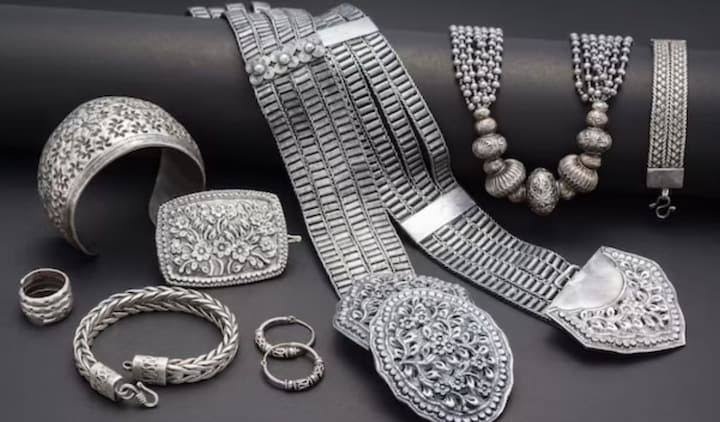
In Eastern India, including regions like West Bengal, Odisha, Bihar, and Jharkhand, silver isn’t only seen as an investment. Silver has a special place in the life of people there. Whereas gold receives most of the attention, silver is preferred due to its beauty, significance, and affordability. But silver rates aren’t the same throughout the year. Rather, the prices are affected by seasonality factors.
During festive periods and wedding seasons, there is an increase in demand, leading to a rise in rates. Once the festivals and weddings are over, the demand decreases and so do the prices. Having an understanding of the influence of festivals and wedding seasons on silver prices in Eastern India can make your buying decisions more convenient.
Why silver holds a special place in Eastern India
Silver is the most accessible precious metal for middle-class families in Eastern India. With the help of silver, people can follow the custom without burning a hole in their pockets.
Whether it is a silver coin given at birth or on an occasion, a silver lamp or utensils for daily prayers at home, silver forms an integral part of people’s lives and is not locked up in a safe all the time.
The big festive spike: Durga Puja to Dhanteras
The biggest rush of silver in Eastern India starts from the time of Durga Puja and lasts till the time of Kojagari Lakshmi Puja, Kali Puja, Dhanteras and Diwali. During the festival of Durga Puja, big wholesale markets, such as Burrabazar of Kolkata, get a rush of retail buyers and traders from other nearby areas.
Families purchase silver jewellery, ornaments for decoration and religious paraphernalia such as diyas, bells and idol frames.
With the arrival of Dhanteras, purchases become predominantly of hallmark silver coins and bars that are indicative of affluence and luck. The immediate and concentrated demand from both urban and rural markets increases retail demand for short periods.
The wedding season effect
Soon after the festival season comes the season for winter and spring weddings. In the wedding rituals of East India, silver holds an important place. Silver tray, coins, dining utensils, and ankle chains are some of the customary presents which are generally exchanged between the families.
In peak marriage seasons (Nov-Feb), the jewellery stores witness a lot of customer traffic. As the demand for handcrafted silver articles and ornaments is high during this period, the local market prices of silver remain steady.
How demand affects local Silver rates
Though the international benchmark rates determine the initial cost of the metal, regional demand considerations affect the end price that you may purchase at:
- Higher making charges & premiums: During the festive months, due to increased traffic at the stores and high demand for labour, jewellers charge high rates for making.
- Local supply shortages: If there is an unexpected spike in demand in the regional wholesale markets, local spot prices may become higher than the regular prices because of limited supply.
- Shift from Gold to Silver: Due to high rates of gold during the busy seasons, people tend to purchase silver because of its affordability; thereby increasing demand even further.
The lean months: A smart buying opportunity
When the festivities and wedding rush season ends, the demand slows down. Monsoons (May-July) are the slack season when the demand for precious metals is minimal in East India, which causes a drop in silver rates in Kolkata.
Due to this, and limited customer flow into the stores, jewellers give discounts or lower making charges for selling stock. For those who want to buy silver for their investments at lower prices, this slack season is the best time to buy.
Final thoughts
Seasonal demand directly influences the movement of silver prices in Eastern India. Although international economic factors set the base, the festivals and marriage season give rise to regular price cycles. By keeping in mind these cycles, you can purchase silver in a way that ensures maximum gains, whether for custom or investment reasons.