The Ultimate Buyer’s Guide to Food Grade Gaskets: Materials, Certifications, and What the FDA Actually Requires
When a food or beverage processing facility experiences an unplanned shutdown, the cause is rarely dramatic. More often, it traces back to something small — a failed seal, a compromised fitting, or a gasket that was never rated for the environment it was placed in. The consequences, however, are anything but small. Contaminated product, failed inspections, costly recalls, and regulatory scrutiny follow. For the engineers, procurement managers, and quality assurance professionals who work in food processing, pharmaceutical manufacturing, and beverage production, selecting the right sealing component is not a secondary decision. It sits at the center of both operational reliability and regulatory compliance.
This guide addresses the practical realities of specifying gasket materials for food-contact applications — what materials are appropriate, what certifications mean in real operational terms, and what the FDA actually mandates versus what the industry often assumes it mandates.
What Makes a Gasket “Food Grade” and Why the Distinction Matters
A food grade gasket is not simply a gasket that has been cleaned or treated differently from an industrial one. The distinction is fundamental and begins at the material composition level. Food grade gaskets are manufactured from compounds that have been formulated, tested, and certified to remain chemically stable when in contact with food, beverage, dairy, or pharmaceutical products — including the cleaning agents and sterilization solutions used in those environments. The material cannot leach additives, plasticizers, or compounds into the product stream. It must resist absorption of oils, acids, and cleaning chemicals without degrading or becoming a source of contamination.
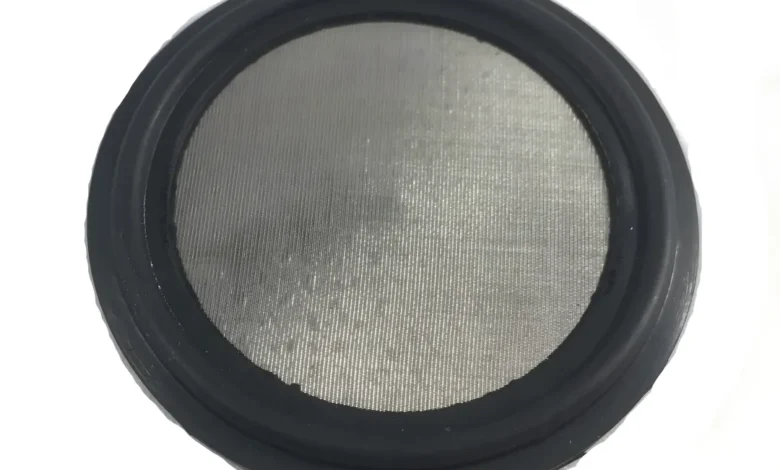
For anyone sourcing these components for the first time or reviewing an existing specification, browsing a dedicated resource for food grade gasket options can help clarify the range of materials and configurations available for different processing conditions.
The distinction also carries legal weight. Using a non-food-grade sealing material in a regulated production environment is not a minor oversight — it can result in product adulteration under federal law, failed third-party audits, and in severe cases, recalls initiated by regulatory agencies.
The Role of Material Formulation in Food Safety
Many engineers default to familiar elastomers without examining whether those materials are actually suitable for direct food contact. General-purpose rubber compounds, for instance, often contain processing aids, accelerators, or fillers that are not approved for food-contact applications. The same physical appearance and hardness rating does not indicate equivalent chemical safety.
Food grade formulations are specifically compounded to exclude unapproved additives. This means the base polymer, curing agents, fillers, and colorants used in the compound must all comply with relevant standards. A gasket can be made from an approved base polymer but still fail compliance if the compounding additives are not reviewed. This is a detail that purchasing teams sometimes overlook when sourcing based on price or generic product descriptions.
Common Materials Used in Food Grade Sealing Applications
Several elastomers and non-elastomeric materials are widely used in food processing environments, each suited to specific temperature ranges, chemical exposures, and cleaning protocols. The material selection process should begin with a clear understanding of the operating conditions — not with a preference for a particular material type.
Silicone
Silicone is one of the most commonly specified materials for food grade sealing applications, and for good reason. It maintains its physical properties across a wide temperature range, resists steam and hot water, and does not harden significantly over time in normal processing conditions. Silicone is generally inert, meaning it does not react with most food products, and it is approved under multiple regulatory frameworks for food contact use.
Its limitations are worth noting. Silicone has relatively poor resistance to certain hydrocarbon-based oils and fuels, and it can absorb some cleaning agents over time if exposed repeatedly. It is not universally suitable for all beverage applications, particularly where high concentrations of alcohol are involved. Specifying silicone without reviewing the specific processing chemicals used in a facility is an incomplete approach.
EPDM (Ethylene Propylene Diene Monomer)
EPDM is frequently used in dairy, water treatment, and beverage applications. It performs well in steam-in-place (SIP) and clean-in-place (CIP) environments, resisting hot water, steam, and many alkaline cleaning agents. EPDM does not perform well with petroleum-based oils or aromatic solvents, which limits its use in certain processing lines.
Food grade EPDM compounds must still be specifically formulated for compliance. Not all EPDM is food grade, and sourcing from suppliers who can provide documentation of their compound’s regulatory status is a required step in responsible procurement.
PTFE (Polytetrafluoroethylene)
PTFE is the material of choice when chemical inertness is the primary requirement. It does not react with nearly any food product or cleaning agent, and it is approved for use across a wide range of regulatory frameworks. PTFE gaskets are commonly used in high-purity applications, pharmaceutical manufacturing, and situations where even trace contamination from the gasket material is unacceptable.
The trade-off with PTFE is mechanical. It is not an elastomer, meaning it does not compress and recover like rubber-based materials. Proper flange loading and installation torque are essential to achieving an effective seal. PTFE also has a tendency to cold-flow under sustained load, which means gaskets may require periodic re-torqueing depending on the application.
Buna-N (Nitrile Rubber)
Nitrile is valued for its oil and fat resistance, making it useful in applications involving edible oils, animal fats, or oil-in-water emulsions. Food grade nitrile is available but must meet specific compound requirements. Standard industrial nitrile contains additives that are not approved for food contact, so the distinction between industrial and food grade nitrile is particularly important when sourcing this material.
Regulatory Standards and What FDA Compliance Actually Means
The FDA does not issue a single, simple list of approved gasket materials. What the agency regulates, under 21 CFR (Code of Federal Regulations), are the specific chemical substances that may be used in materials that come into contact with food. This is an important distinction. Compliance is determined at the ingredient level of the compound, not simply by brand name or product category.
The relevant sections of 21 CFR — particularly Parts 170 through 189, along with specific sections governing rubber articles — establish which substances are permitted, the conditions under which they may be used, and the limitations that apply. A gasket manufacturer claiming FDA compliance should be able to identify which sections of 21 CFR apply to their compound and provide a letter of compliance or technical documentation that supports the claim.
3-A Sanitary Standards and NSF Certification
Beyond FDA regulations, two certification frameworks are widely referenced in food and dairy processing: 3-A Sanitary Standards and NSF International certifications. These represent third-party verification that a material or component meets specific hygienic design and material safety criteria.
NSF/ANSI 51, which covers food equipment materials, is one of the most commonly cited standards for gasket compliance. As detailed by NSF International, components certified under this standard have undergone independent evaluation to confirm they are suitable for food zone use. This is not a self-declared status — it requires testing and periodic audits by the certifying body.
3-A certification is particularly relevant for dairy and beverage processing, where hygienic design standards are stringent. Not all applications require 3-A certification, but facilities operating under certain customer requirements or export standards may find it necessary.
What Documentation You Should Require from Suppliers
Responsible sourcing in this space means asking for more than a product description or a general claim of compliance. Buyers should expect and request:
• A letter of compliance identifying the specific 21 CFR sections applicable to the compound, signed by a responsible party at the manufacturer
• Third-party certification documents, such as NSF or 3-A certificates, where applicable to the intended use
• Material safety data sheets that reflect the actual compound composition, not just the base polymer
• Traceability documentation confirming that production batches meet the same compound specification as tested materials
• Clear product markings or identification systems that allow food grade components to be distinguished from non-food grade materials in storage and during maintenance
Application Matching: Connecting Material Properties to Process Conditions
Even a fully certified food grade gasket will fail prematurely if it is mismatched to the process environment. Material selection must account for temperature extremes, chemical exposure, pressure cycles, mechanical compression, and cleaning frequencies. A gasket that performs well in ambient-temperature water service may degrade rapidly in repeated steam sterilization cycles. One that handles aggressive cleaning agents may not be chemically compatible with the product itself.
CIP and SIP Compatibility
Clean-in-place and steam-in-place protocols are standard in food and dairy processing, and the chemicals used — caustic soda, nitric acid, peracetic acid — are aggressive. A gasket that survives contact with the food product but degrades under routine sanitation cycling is a liability. Material qualification should include evaluation under the actual cleaning and sterilization conditions used in the facility, not just the product contact conditions.
Gasket swell, softening, surface degradation, and dimensional change are the primary failure modes to evaluate. Facilities that run frequent high-temperature CIP cycles should specify materials with documented resistance to thermal and chemical cycling, not just general chemical compatibility.
Closing Thoughts
Selecting the right food grade gasket is a technical and regulatory decision that has direct consequences for product safety, line uptime, and audit outcomes. The materials available today — silicone, EPDM, PTFE, nitrile, and others — each offer distinct advantages and limitations. No single material is universally correct for every application, and the claim of “food grade” without supporting documentation is not a sufficient basis for specification.
Facilities that approach gasket selection with the same rigor applied to other food safety controls — documented material qualification, verified supplier compliance, and regular review of installed components — are significantly better positioned to maintain consistent production and pass third-party inspections without incident. The specification itself is straightforward once the process conditions, chemical environment, and regulatory requirements are clearly understood. What creates risk is assumption — assuming a material is compliant, assuming a supplier’s claim is documented, or assuming that what was acceptable in a previous installation remains acceptable as processes change.
Sound procurement in this area is not complicated. It requires clear requirements, documented supplier compliance, and the discipline to verify rather than assume. That discipline is what separates facilities that manage food safety proactively from those that address it reactively.