The Business Case for Flexible Packaging: How E-Commerce Food Brands Are Scaling
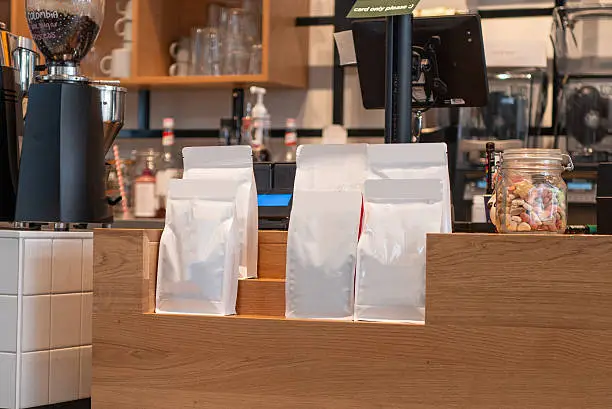
Introduction: The Shift from Rigid to Agile Packaging
Global food and beverage e-commerce is undergoing a massive structural transformation. Brands are actively phasing out traditional, heavy containers like glass jars and rigid plastics. This shift is heavily driven by the need to combat soaring logistics, warehousing, and shipping costs. Instead, agile flexible packaging solutions are rapidly taking over the modern D2C supply chain.
What Exactly is Flexible Packaging?
The term refers to non-rigid materials like custom stand-up pouches, Mylar bags, and roll stock films that conform seamlessly to the product’s shape. This industry transition isn’t just about aesthetics; it’s driven by advanced manufacturing capabilities. Today, partnering with an experienced bsflexpack allows startups and established brands alike to access custom-printed, high-barrier pouches. These modern solutions keep contents safe from moisture and oxidation, all while maintaining factory-direct pricing.
Material Science: Barrier Films and Stand-Up Pouches
Flexible packaging relies on sophisticated multi-layer material science to protect sensitive products. A standard high-performance pouch typically consists of distinct functional layers designed for maximum barrier protection.
- Outer Layer: Kraft paper or Matte PET provides structural integrity and a premium tactile feel for branding.
- Middle Barrier: VMPET (metallized PET) or pure aluminum foil acts as an impenetrable shield against UV light and oxygen.
- Inner Layer: Food-grade PE (polyethylene) ensures safe contact with perishables and allows for secure heat sealing. Because of this robust composite structure, stand-up pouches have completely dominated modern retail and e-commerce spaces.
The Economics of Shipping and Storage
The financial benefits of switching to flexible formats become obvious when analyzing warehousing and freight data. Rigid containers demand significant square footage and fuel weight even before they are filled with product.
- Storage Density: One standard truck pallet can comfortably hold approximately 10,000 empty stand-up pouches.
- Rigid Inefficiency: That exact same pallet space might only accommodate about 1,000 empty glass jars. This dramatic volume reduction allows e-commerce brands to cut inbound freight costs and warehousing space by over 80%.
Digital Printing: A Game Changer for Independent Brands
In the past, accessing high-quality printed packaging required massive capital for traditional rotogravure printing. Brands had to pay exorbitant plate fees for every single color and SKU, severely limiting startup growth. Advanced digital printing technologies, such as HP Indigo presses, have completely rewritten these industry rules. Digital printing eliminates expensive setup fees and allows for incredibly low minimum order quantities (MOQs).
This technological leap allows independent brands to compete with global conglomerates on shelf appeal. Founders can now easily run A/B testing on packaging designs across multiple niche product lines. Seasonal packaging and limited-edition product drops are now financially viable for smaller D2C businesses. This agility accelerates speed-to-market and drastically improves cash flow for growing enterprises.
Extending Shelf Life and Combating Food Waste
Beyond shipping economics, the ultimate role of any food-grade wrapper is aggressive product preservation. High-barrier multi-layer films block oxygen, moisture, and UV light, drastically extending the consumable lifespan of perishables. Items like roasted coffee, organic snacks, and nutritional supplements rely heavily on these barriers to prevent staling. Addressing spoilage at the supply chain level is critical for both brand profitability and global conservation efforts.
In fact, minimizing global food waste is widely recognized by experts as one of the most effective strategies for reducing global greenhouse gas emissions and combating climate change. By keeping products fresher for longer, flexible pouches directly reduce the volume of spoiled goods hitting landfills. This means brands can scale their international distribution without fearing rapid inventory expiration. Consequently, smart packaging choices align financial profitability with essential environmental responsibility.
Key Takeaways
| Area | Key Takeaway | Impact/Data |
| Logistics | Switch from rigid to flexible pouches. | Cuts warehousing and freight by >80%. |
| Storage | Maximize pallet density with flat pouches. | Fits 10,000 pouches vs 1,000 glass jars. |
| Printing | Adopt digital printing technologies. | Eliminates plate fees; unlocks low MOQs. |
| Shelf Life | Deploy multi-layer VMPET/Aluminum barrier films. | Blocks UV/O2; directly reduces food waste. |
| Strategy | Phase out heavy traditional containers. | Accelerates speed-to-market and improves cash flow. |
Conclusion: Packaging as a Core Growth Lever
Packaging is no longer just a simple container used to move goods safely from point A to point B. It has evolved into a strategic commercial lever that dictates supply chain efficiency and consumer perception. By adopting flexible stand-up pouches, independent e-commerce brands can drastically reduce their operational overhead. Ultimately, this transition enables higher profit margins, scalable growth, and a much more sustainable retail ecosystem.