How Hydraulic Cylinders Improve the Performance of Heavy Construction Equipment
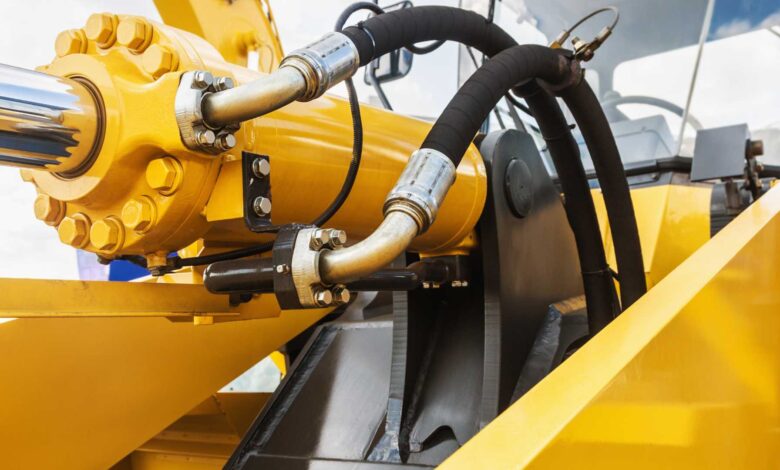
Heavy construction equipment has to perform demanding jobs every day. Excavators, loaders, cranes, dump trucks, bulldozers, and other machines depend on powerful mechanical systems to lift, push, pull, dig, and move heavy materials. One of the most important components behind these movements is the hydraulic cylinder.
Hydraulic cylinders convert hydraulic pressure into controlled linear movement. Although they may look like simple mechanical parts, they play a major role in the power, precision, and reliability of modern construction machinery. When properly selected and maintained, they can help equipment handle demanding workloads while improving overall productivity.
For businesses searching for information about Zemohc, understanding how hydraulic systems work can also provide useful insight into the components that support heavy equipment performance.
What Is a Hydraulic Cylinder?
A hydraulic cylinder is a mechanical actuator that uses pressurized hydraulic fluid to create linear motion. The basic cylinder includes a barrel, piston, piston rod, seals, and other supporting components.
When hydraulic fluid enters one side of the cylinder, pressure pushes the piston. This movement extends or retracts the piston rod, allowing the connected machine component to move.
This straightforward principle makes hydraulic cylinders useful for many construction applications. They can produce substantial force while maintaining controlled movement, making them suitable for equipment that needs to handle heavy loads.
Why Hydraulic Cylinders Matter in Construction Equipment
Construction machines often operate in challenging conditions. They may need to move large amounts of soil, lift heavy materials, break hard surfaces, or operate continuously on demanding job sites.
Hydraulic cylinders provide several important advantages that help equipment perform these tasks.
1. High Force in a Compact Design
One of the biggest advantages of hydraulic cylinders is their ability to generate significant force without requiring an extremely large mechanical assembly.
Hydraulic pressure acts across the piston area to create force. This allows relatively compact cylinders to move or support heavy components.
For example, an excavator uses hydraulic cylinders to operate its boom, arm, and bucket. The cylinders provide the force necessary to dig into soil and lift heavy loads.
2. Precise Machine Movement
Construction work is not always about maximum power. Operators also need control.
Hydraulic cylinders can provide smooth and adjustable movement. By controlling the amount and direction of hydraulic fluid, equipment operators can position attachments accurately.
This is particularly useful when:
- Digging around existing structures
- Loading materials into specific locations
- Positioning crane components
- Grading surfaces
- Handling delicate materials
- Operating attachments in limited spaces
Better control can make machine operation more efficient and reduce unnecessary movements.
Hydraulic Cylinders Increase Equipment Productivity
Time is an important factor on construction sites. Equipment that can complete tasks efficiently may help reduce delays and improve overall project productivity.
Hydraulic cylinders contribute by allowing machines to perform powerful movements quickly and repeatedly. An excavator, for example, can use hydraulic power to coordinate several movements during each digging cycle.
The faster and more smoothly these movements can be completed, the more work the machine may accomplish during its operating time.
However, productivity depends on the complete hydraulic system, including the pump, valves, hoses, fluid, cylinders, controls, and other components. A high-quality cylinder cannot compensate for problems elsewhere in the system.
Better Control for Heavy Loads
Moving heavy loads requires more than raw power. Operators need predictable movement to keep the machine stable and place materials safely.
Hydraulic cylinders allow equipment manufacturers to design systems with controlled extension and retraction. This helps operators manage attachments and loads with greater precision.
For example, loaders use hydraulic cylinders to raise and tilt their buckets. This allows operators to collect materials, lift the bucket, transport the load, and unload it at the desired location.
Durability in Demanding Conditions
Construction equipment frequently works in environments where dust, dirt, moisture, vibration, and temperature changes are common.
Hydraulic cylinders are designed to operate under these demanding conditions. Strong materials, protective coatings, properly designed seals, and suitable hydraulic fluids can all contribute to cylinder durability.
However, durability is not automatic. Contaminated hydraulic fluid, damaged seals, corrosion, excessive side loading, and poor maintenance can shorten a cylinder’s service life.
Regular inspections can help identify problems before they lead to larger equipment failures.
Applications of Hydraulic Cylinders in Construction
Hydraulic cylinders can be found in many types of heavy equipment.
Excavators
Excavators typically use multiple hydraulic cylinders to control the boom, arm, and bucket. These cylinders allow the machine to dig, lift, rotate loads, and perform other tasks.
Wheel Loaders
Wheel loaders use hydraulic cylinders to raise and lower the bucket and control its angle. This makes them useful for moving soil, gravel, construction debris, and other materials.
Bulldozers
Hydraulic cylinders can control blade positioning, allowing operators to adjust the blade height and angle according to the task.
Cranes
Hydraulic systems are commonly used in cranes for functions such as boom movement and telescoping mechanisms. The cylinders must be capable of handling substantial loads while providing controlled movement.
Dump Trucks
Hydraulic cylinders help raise dump bodies so materials such as sand, gravel, and construction waste can be unloaded efficiently.
The Role of Proper Cylinder Selection
Choosing the right hydraulic cylinder is important for equipment performance. A cylinder must match the requirements of the machine and its working environment.
Important factors include:
- Required force
- Stroke length
- Operating pressure
- Mounting configuration
- Cylinder diameter
- Rod diameter
- Operating speed
- Environmental conditions
- Expected duty cycle
Using an unsuitable cylinder can result in reduced performance, premature wear, or even equipment damage.
For this reason, manufacturers and equipment owners should consider both the technical specifications and the actual working conditions before selecting a replacement or new cylinder.
Hydraulic Cylinder Maintenance Tips
Regular maintenance can help extend cylinder life and keep heavy equipment operating reliably.
Inspect for Leaks
Hydraulic fluid around the cylinder may indicate damaged seals, fittings, or other problems. Leaks should be investigated promptly because fluid loss can affect system performance.
Check the Rod
The piston rod should be inspected for scratches, corrosion, dents, or bending. A damaged rod can cause seal failure and allow contaminants to enter the cylinder.
Maintain Clean Hydraulic Fluid
Contaminated fluid can damage hydraulic components. Following the equipment manufacturer’s recommendations for filtration, fluid changes, and contamination control is important.
Inspect Mounting Points
Loose or damaged mounting components can create unwanted loads on the cylinder. Checking pins, bushings, brackets, and connections can help prevent unnecessary wear.
Follow Service Intervals
Regular servicing based on the manufacturer’s recommendations can help identify wear before it becomes a major failure.
How Hydraulic Cylinders Support Modern Construction
Modern construction equipment is increasingly designed around efficiency, precision, and operator control. Hydraulic cylinders remain an important part of this development because they provide a practical way to convert hydraulic energy into strong and controlled mechanical movement.
Advances in cylinder manufacturing, sealing technology, materials, and hydraulic controls can further improve reliability and performance. When these improvements are combined with proper system design and maintenance, construction equipment can operate more effectively across a wide range of applications.
Final Thoughts
Hydraulic cylinders may be only one part of a construction machine, but their impact on performance is significant. They provide the controlled linear force needed for digging, lifting, pushing, tilting, and positioning heavy components.
From excavators and loaders to cranes and dump trucks, hydraulic cylinders help transform hydraulic pressure into useful mechanical work. Selecting the right cylinder and maintaining it properly can support equipment reliability, operator control, and long-term productivity.
For anyone researching Zemohc or hydraulic equipment, learning how these essential components work is a useful starting point. To explore related information and equipment topics, read more about hydraulic systems, construction machinery, and industrial components.