Common Acid Reflux Triggers and How to Avoid Them
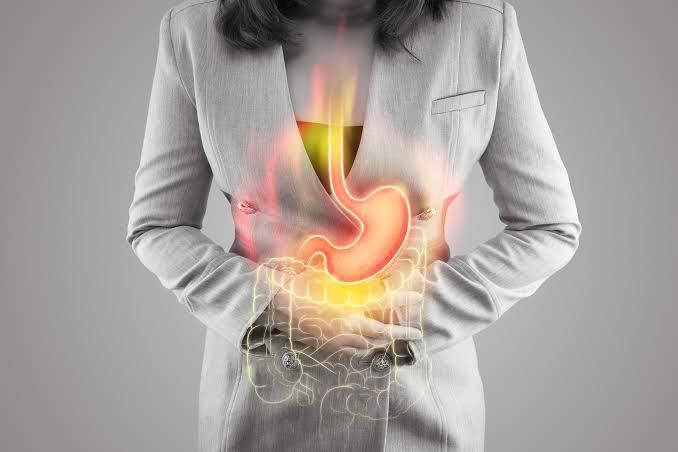
Acid reflux occurs when stomach contents flow backwards into the oesophagus. This can happen when the lower oesophageal sphincter, a muscular valve between the oesophagus and stomach, does not prevent stomach contents from moving upwards effectively.
Occasional reflux is common, particularly after a large meal or certain foods. However, frequent episodes can cause troublesome symptoms such as heartburn, a sour taste in the mouth, regurgitation or discomfort after eating.
Certain foods, eating habits and lifestyle factors may make symptoms more noticeable. However, triggers vary from person to person. A food that causes symptoms for one individual may not affect another.
What Can Trigger Acid Reflux?
Acid reflux triggers generally fall into several categories:
- Certain foods and drinks
- Large or late meals
- Lying down soon after eating
- Excess weight
- Alcohol and smoking
- Certain medications
- Individual lifestyle factors
These factors may increase the likelihood or severity of reflux, but they do not necessarily cause acid reflux in every person.
1. Large or Heavy Meals
Eating a large meal can increase the amount of food and pressure within the stomach.
When the stomach is very full, stomach contents may be more likely to move upwards into the oesophagus, particularly if you lie down soon afterwards.
Large meals may also make symptoms more noticeable because there is more gastric content available to reflux.
How to Manage It
Rather than eating one or two very large meals, some people may find it helpful to:
- Eat smaller portions
- Avoid eating beyond fullness
- Take time to eat slowly
- Allow adequate time between meals
The aim is not necessarily to eat less overall but to avoid very large meals that consistently trigger symptoms.
2. Fatty and Fried Foods
High-fat meals are commonly reported as reflux triggers.
Examples include:
- Fried foods
- Fatty cuts of meat
- Heavy cream-based dishes
- Rich sauces
- High-fat fast food
These foods may contribute to reflux symptoms in some individuals because fatty meals can delay stomach emptying and may promote reflux in susceptible people.
How to Manage It
If you notice a clear relationship between high-fat meals and your symptoms, consider:
- Choosing leaner cuts of meat
- Using less oil when cooking
- Choosing grilled or steamed foods more often
- Reducing very rich sauces
- Monitoring your response to high-fat meals
There is no need to eliminate all dietary fat unless advised by a healthcare professional.
3. Spicy Foods
Spicy foods are a commonly reported trigger for heartburn and reflux symptoms.
Examples include:
- Chilli
- Hot sauces
- Spicy curries
- Certain heavily seasoned dishes
Spicy foods do not necessarily cause reflux in everyone. However, some people find that they worsen burning or discomfort once reflux occurs.
How to Manage It
If spicy food consistently triggers your symptoms, try:
- Reducing the amount of chilli
- Choosing milder versions of dishes
- Identifying specific spices that cause symptoms
- Keeping a food and symptom diary
This approach may allow you to identify your individual tolerance rather than unnecessarily avoiding all spicy foods.
4. Coffee and Other Caffeinated Drinks
Coffee can trigger or worsen reflux symptoms in some people.
Other caffeinated beverages may also be relevant, including:
- Tea
- Energy drinks
- Certain soft drinks
However, the effect varies considerably between individuals.
How to Manage It
If caffeine appears to trigger symptoms, you could try:
- Reducing the amount you drink
- Choosing a less concentrated coffee
- Switching to decaffeinated options
- Avoiding caffeine later in the day if nighttime symptoms are a concern
If coffee does not trigger your symptoms, there may not be a need to eliminate it completely.
5. Carbonated Drinks
Carbonated beverages can cause stomach distension from swallowed or released gas.
For some people, this may increase belching and make reflux symptoms more noticeable.
Examples include:
- Soft drinks
- Sparkling water
- Carbonated energy drinks
- Soda-based beverages
How to Manage It
If carbonated drinks worsen your symptoms, consider replacing them with:
- Still water
- Non-carbonated drinks
- Unsweetened beverages that you tolerate well
You can also monitor whether carbonation itself or another ingredient in the drink is responsible for your symptoms.
6. Alcohol
Alcohol may worsen reflux symptoms in some individuals.
Certain alcoholic drinks may also contain other potential triggers, such as carbonation, acidity or high sugar content.
How to Manage It
If alcohol consistently causes symptoms, consider:
- Reducing your intake
- Avoiding alcohol close to bedtime
- Monitoring which types of drinks cause symptoms
- Discussing alcohol consumption with your doctor if reflux is frequent
People with persistent reflux should not rely on alcohol avoidance alone if symptoms continue.
7. Chocolate
Chocolate is another commonly reported reflux trigger.
It may contain several components that can potentially contribute to symptoms, including fat and compounds that may affect the lower oesophageal sphincter in some individuals.
How to Manage It
If chocolate appears to trigger symptoms:
- Reduce portion sizes
- Avoid eating it close to bedtime
- Compare your response to different types and quantities
Again, individual tolerance matters.
8. Tomatoes and Acidic Foods
Some people find that acidic foods worsen the burning sensation associated with reflux.
Potential triggers include:
- Tomatoes
- Tomato-based sauces
- Citrus fruits
- Citrus juices
These foods may not necessarily increase the amount of reflux occurring, but their acidity can make the oesophagus feel more irritated when reflux is already present.
How to Manage It
If acidic foods trigger symptoms, you may try:
- Reducing portion sizes
- Choosing less acidic alternatives
- Avoiding large amounts at one time
- Tracking which foods actually cause symptoms
9. Mint
Mint-containing foods and beverages may worsen reflux symptoms in some people.
Examples include:
- Peppermint tea
- Mint sweets
- Mint-flavoured desserts
If you notice symptoms after consuming mint products, reducing or avoiding them may be helpful.
10. Eating Close to Bedtime
The timing of meals can be just as important as what you eat.
When you lie down shortly after eating, gravity no longer helps keep stomach contents down. This can make reflux symptoms more noticeable, particularly at night.
How to Manage It
If you experience nighttime reflux, consider:
- Finishing your evening meal several hours before lying down
- Avoiding large late-night meals
- Staying upright after eating
- Identifying foods that are particularly troublesome at night
Patients with frequent nighttime symptoms may also need medical assessment rather than relying solely on dietary changes.
11. Lying Down or Bending Over After Eating
Reflux may become more noticeable when you lie down or repeatedly bend over soon after a meal.
This can increase pressure on the stomach and make it easier for stomach contents to move upwards.
How to Manage It
After meals, consider:
- Remaining upright
- Taking a gentle walk
- Avoiding heavy lifting immediately after eating
- Delaying activities that require prolonged bending
12. Being Overweight or Gaining Weight
Excess weight, particularly around the abdomen, may increase pressure on the stomach and contribute to reflux symptoms.
Weight gain does not mean that every person will develop acid reflux, but it can be a contributing factor in some individuals.
How to Manage It
If weight is contributing to reflux, gradual weight management may help reduce symptoms.
This should focus on sustainable changes rather than restrictive diets, such as:
- Regular physical activity
- Balanced meals
- Appropriate portion sizes
- Sustainable dietary habits
Patients who are significantly overweight and have persistent reflux may wish to discuss weight management options with their doctor.
13. Smoking
Smoking can contribute to reflux symptoms by affecting the lower oesophageal sphincter and other aspects of digestive function.
Smoking also carries many other health risks.
How to Manage It
Stopping smoking can provide broader health benefits beyond reflux management.
If you smoke and are finding it difficult to quit, speak with a healthcare professional about appropriate cessation support.
14. Stress and Emotional Factors
Stress does not necessarily cause acid reflux directly, but it may influence how frequently or severely symptoms are experienced.
Stress may also affect eating habits, sleep and other behaviours that can contribute to reflux.
For example, periods of stress may lead to:
- Eating quickly
- Skipping meals and then overeating
- Eating late at night
- Increased caffeine consumption
- Poor sleep
How to Manage It
Stress management may include:
- Regular physical activity
- Adequate sleep
- Relaxation techniques
- Maintaining regular meal patterns
- Seeking support when stress becomes difficult to manage
If reflux symptoms remain persistent, stress management should complement rather than replace medical assessment.
15. Certain Medications
Some medications can worsen reflux symptoms or affect the function of the lower oesophageal sphincter.
Examples may include certain:
- Pain medications
- Blood pressure medications
- Muscle relaxants
- Other prescription drugs
The effect varies depending on the medication and individual patient.
What Should You Do?
Do not stop prescribed medication simply because you suspect it is contributing to reflux.
Instead, tell your doctor:
- What symptoms you are experiencing
- When they started
- Which medications you take
- Whether symptoms occur after taking a particular medicine
Your doctor can determine whether an adjustment is appropriate.
How Can You Identify Your Personal Acid Reflux Triggers?
Rather than avoiding every food commonly associated with reflux, keeping a food and symptom diary can help identify patterns.
Record:
- What you ate
- Portion size
- Time of the meal
- Drinks consumed
- When symptoms appeared
- What the symptoms felt like
- Whether you were lying down afterwards
For example, you may discover that:
- Large meals cause symptoms but smaller meals do not
- Coffee is fine in the morning but causes symptoms at night
- Spicy food is tolerated in small portions
- Late-night eating consistently triggers reflux
This information can help you make more targeted changes.
Should You Avoid All Common Acid Reflux Foods?
Not necessarily.
A common mistake is to create an unnecessarily restrictive diet based on a general list of “bad” reflux foods.
Acid reflux triggers are highly individual.
If a particular food does not cause symptoms, there may be no reason to remove it from your diet simply because it appears on a general trigger list.
A more practical approach is to:
- Identify foods that consistently cause symptoms.
- Reduce or modify those foods.
- Maintain a balanced diet.
- Reintroduce foods cautiously if symptoms improve.
What If Lifestyle Changes Do Not Help?
Lifestyle adjustments can help some people, but persistent reflux may require medical treatment.
A doctor may consider:
- The frequency of symptoms
- Severity
- Response to lifestyle changes
- Other symptoms
- Potential complications
Treatment may include medication that reduces stomach acid or other approaches depending on the underlying cause.
Persistent symptoms should not simply be managed through increasingly restrictive diets.
When Should You See a Doctor for Acid Reflux?
Occasional reflux may not require medical assessment. However, you should consider seeing a doctor if symptoms:
- Occur frequently
- Keep returning
- Affect sleep
- Interfere with daily activities
- Do not improve with lifestyle changes
- Require frequent use of medication
You should also seek medical evaluation if you experience symptoms such as:
- Difficulty swallowing
- Pain when swallowing
- Persistent vomiting
- Unexplained weight loss
- Vomiting blood
- Black stools
- Persistent chest pain
Chest pain should not automatically be assumed to be acid reflux, particularly if it is severe, new or accompanied by symptoms such as shortness of breath, sweating or pain spreading to the arm or jaw. Urgent medical assessment may be required.
Can Acid Reflux Be Prevented Completely?
There is no guaranteed way to prevent acid reflux because multiple factors can contribute to it, including anatomy, stomach function, lifestyle and underlying medical conditions.
However, identifying personal triggers and modifying habits may help reduce the frequency or severity of symptoms.
Useful measures may include:
- Eating moderate portions
- Avoiding meals shortly before bedtime
- Maintaining a healthy weight
- Limiting foods that consistently trigger symptoms
- Reducing alcohol if it worsens symptoms
- Avoiding smoking
- Staying upright after meals
Common acid reflux triggers include large meals, high-fat foods, spicy foods, caffeine, alcohol, carbonated drinks, certain acidic foods and eating shortly before lying down. However, not everyone reacts to the same triggers.
Rather than eliminating a long list of foods unnecessarily, identifying your personal patterns can provide a more practical approach to managing symptoms. Keeping a food and symptom diary can help determine which foods, eating habits or lifestyle factors are most relevant to your reflux.
If symptoms are frequent, persistent or accompanied by warning signs such as difficulty swallowing, unexplained weight loss or persistent chest pain, medical assessment is important. A doctor can determine whether acid reflux is the likely cause and whether further investigation or treatment is needed.
This article is for general information only and should not replace medical advice from a qualified healthcare professional.