Complex Claims: Why You Need a Truck Accident Lawyer
Some accidents end up in the public spotlight, whether anyone expects it or not. The 2014 crash on the New Jersey Turnpike is a good example. A Walmart truck driver, who had reportedly been awake for more than 28 hours, rear-ended a limousine bus carrying Tracy Morgan and his entourage.
One passenger died. Morgan spent weeks in a coma and years recovering. What followed wasn’t a simple case. It involved federal hours-of-service violations, questions about corporate responsibility, and negotiations that stretched far beyond what most people would expect from something that initially seemed straightforward. Walmart eventually settled. But the case made something undeniably clear to anyone paying attention: a collision involving a commercial truck is a different legal situation in almost every way that matters.
That case had visibility, legal resources, and public pressure behind it. Most truck accident victims have none of those things. But the complexity it exposed (layered liability, federal regulations, insurer resources, vanishing evidence) applies just as much to an anonymous crash on a California freeway as it does to a celebrity lawsuit. This piece is about what that complexity actually looks like and why attempting to navigate it without experienced legal help tends not to go well.
Why a Truck Crash Isn’t Just a Big Car Accident
People make this assumption constantly. It’s a collision. Someone was negligent. The insurance pays. What’s complicated about that?
Quite a bit, as it turns out.
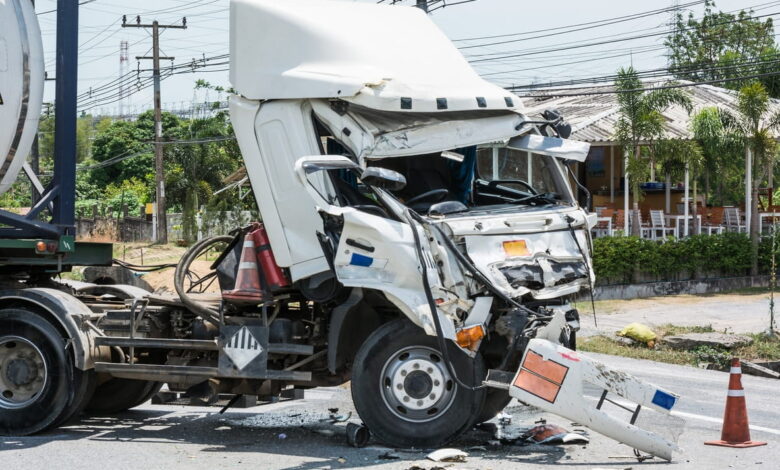
A fully loaded commercial semi-trailer can weigh up to 80,000 pounds under federal limits. The physical damage from a crash at highway speed is rarely minor. But the legal complications aren’t just about injury severity — they’re about the structure sitting behind every commercial truck on the road.
That structure includes the driver, the carrier, the freight broker, the cargo shipper, the maintenance contractor, and sometimes the vehicle manufacturer. Any of them may carry partial responsibility. None of them are easy to identify or hold accountable without knowing where to look and what to demand.
For someone dealing with this in California, a qualified truck accident lawyer in California brings immediate knowledge of that structure — who the parties are, what documentation exists, and how California’s legal framework intersects with federal commercial trucking rules. On high-volume freight routes like I-5 through the Central Valley or the 101 corridor, these cases follow specific patterns, and knowing those patterns from the start changes what’s possible.
The Liability Question Almost Never Has One Answer
Here’s the thing that surprises most people. They assume the driver caused the crash, so the driver is responsible. That’s a reasonable starting point. It’s rarely the full picture.
Think about what can actually contribute to a truck accident. The driver may have been operating beyond legal hours-of-service limits, while the carrier structured their schedule in a way that made those violations essentially routine. The truck’s brakes may have been deteriorating for months — and a third-party mechanic, hired to inspect them, may have cleared the vehicle for the road anyway. The cargo may have shifted because a logistics contractor loaded it improperly. The vehicle itself may carry a design or manufacturing defect the truck-maker was already aware of.
Every one of those is a separate legal theory. All of them can be alive in the same case at the same time.
The Federal Motor Carrier Safety Administration — the federal body that regulates commercial trucking — sets enforceable rules around driver hours, vehicle maintenance, drug and alcohol testing, and load securement. When those rules are broken, liability extends well beyond the individual driver. And the FMCSA maintains public carrier safety records, which can establish whether a pattern of violations existed long before the crash ever happened.
The practical problem is timing. Electronic logging devices, onboard cameras, and black box data don’t stay available indefinitely. Some carriers are quick to manage what gets preserved once there’s a legal exposure. Preservation letters need to go out fast — sometimes within days of the accident — or parts of the evidentiary record simply disappear.
What the Insurance Side Actually Looks Like
Commercial trucking policies are not structured like the car insurance most people are familiar with. Depending on cargo type and interstate operation, minimum liability coverage under federal law can extend into the millions of dollars.
That might sound like good news for someone who was seriously injured.
What it actually means is that the insurer has serious financial exposure, and they treat it accordingly. By the time you’re still in the hospital, there may already be claims professionals and attorneys working the case on the other side. These are people who handle commercial truck claims as their full-time work. They know the federal regulations. They know what similar cases have settled for. They are very good at what they do, and their goal is to limit the payout.
Early contact, early settlement offers, and requests for recorded statements are standard tools in that process. An offer made in the first week — before you understand the full cost of your injuries, the long-term medical outlook, or the actual scope of liability — can seem reasonable in the moment. Six months later, when the real costs come into focus, that settlement looks completely different. And if you’ve already signed, there’s often nothing left to do.
What Legal Representation Actually Involves
A lot of people put off calling a lawyer because they assume it’s expensive or complicated to start. In personal injury cases, truck accident attorneys almost universally work on contingency — no upfront costs, with the fee coming out of any settlement or verdict. You don’t pay anything unless the case produces something.
What you get in exchange: someone who moves quickly on the things with hard deadlines. Preservation demands go out before data gets overwritten. The driver’s employment and safety history gets pulled. The carrier’s FMCSA record gets reviewed. Maintenance logs and inspection reports are requested. Witnesses get contacted while their accounts are still accurate.
There’s also the separate matter of calculating what damages actually are. Medical bills paid so far are obvious. But future treatment costs, ongoing physical therapy, reduced earning capacity, and non-economic harm — the disruption to your daily life, the long-term consequences — require expert documentation and professional presentation that most individuals have no experience assembling on their own.
The attorneys at https://landverpersonalinjury.com do precisely this work — building a full evidentiary foundation before anyone sits down at a negotiating table, rather than accepting the first number offered and calling it resolved.
Federal and State Law Running in Parallel
One layer of these cases that rarely gets explained clearly: commercial trucking operates under both state and federal jurisdiction simultaneously, and they don’t always say the same thing.
California law governs the civil claim itself — the lawsuit, the damages, the court process. Federal FMCSA regulations govern whether the driver or carrier violated national safety standards that form the basis of negligence. These two tracks run in parallel through every commercial truck case. Knowing how to work across both — not just one — is what distinguishes a lawyer experienced in commercial trucking claims from a general personal injury practice.
That distinction has practical consequences when determining liability, arguing violations, and anticipating how the opposing side will structure its defense.
The First 48 Hours Set the Tone
Most of the decisions that quietly narrow someone’s options in a truck accident case happen before they’ve thought clearly about what comes next.
Giving a recorded statement to an insurance adjuster without understanding its implications. Accepting a quick cash offer. Not seeking medical attention immediately because injuries don’t seem severe yet. Failing to photograph the scene before it gets cleared.
None of these feel like big decisions in the moment. They can each become significant later.
You don’t need to know commercial trucking law to protect yourself. What you need to know is simpler: the other side starts working from the moment the accident is reported, and getting legal guidance before you sign or agree to anything is the single move that most consistently changes the outcome.
Truck accident cases are winnable. Real compensation for real harm is achievable. They’re also easy to undermine in the early days if the wrong choices get made — quietly, without anyone explaining what just happened.