Drum or Dome? How to Choose the Right Pendant Shape for Your Room
A pendant light may occupy only a small part of the ceiling, but its shape can influence the atmosphere of the entire room. Wide shades can make a space feel grounded and comfortable, while compact downward-facing designs can create a cleaner and more focused appearance.
Drum and dome pendants are two popular choices because both are simple enough to suit everyday homes. However, they distribute light differently and create noticeably different visual effects. A drum pendant usually feels softer and more substantial, while a dome pendant offers stronger direction and a more streamlined silhouette.
The right option depends on the size of the room, the surface below the fixture, the amount of light required, and whether the pendant should blend into the interior or become a focal point.
Why Pendant Shape Matters
Homeowners often focus first on colour and finish, but the outline of a fixture can be just as important. A pendant is seen against the open ceiling, which makes its proportions highly noticeable.
A wide cylindrical shade may visually connect with a dining table, bed, or seating area. A smaller curved shade can direct attention towards a kitchen island, reading corner, or bedside table.
The shape also affects how the light leaves the fixture. Some pendants spread a gentle glow around the room, while others concentrate more brightness on the surface below. Understanding this difference can prevent a decorative light from becoming impractical after installation.
Choose a Drum Pendant for Softness and Presence
A drum pendant usually has a broad cylindrical shade with relatively straight sides. Its balanced and symmetrical form can make a room feel calm, comfortable, and visually organised.
Drum Pendant Lighting is particularly suitable for dining rooms, bedrooms, living rooms, entrances, and home offices. The generous shade gives the fixture enough visual weight to anchor furniture without requiring complex decorative details.
Fabric drum shades often diffuse the light, producing a softer glow that works well in relaxing or social areas. Metal, glass, woven, and open-frame versions can provide a more contemporary or architectural appearance.
A single large drum pendant can look effective above a round or square dining table. In a bedroom, it may provide a comfortable central light while introducing texture and warmth to an otherwise simple ceiling.
Choose a Dome Pendant for Focused Illumination
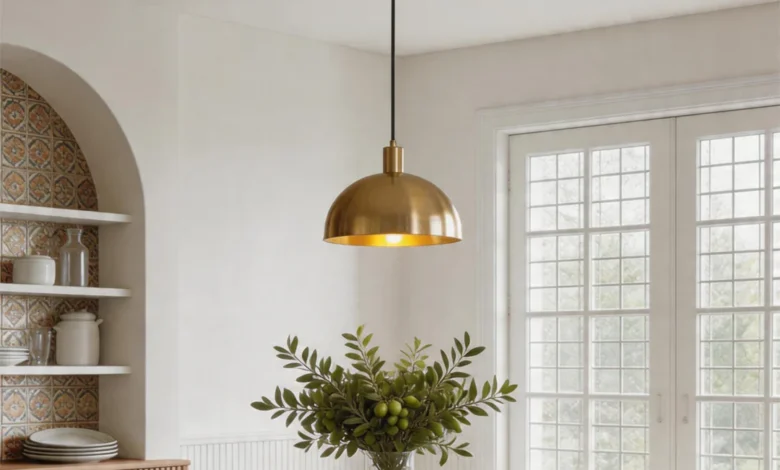
Dome pendants typically have a curved shade that directs a greater proportion of the light downwards. Their clean outline makes them well suited to practical surfaces where focused illumination is useful.
A Dome Pendant Light can work above kitchen islands, breakfast bars, dining tables, desks, bedside areas, and compact reading corners. Depending on its size, it may be installed alone or arranged in a row.
Black and dark-coloured dome shades can add strong contrast to pale kitchens, while white or neutral finishes create a quieter effect. Metal dome pendants often suit industrial and contemporary interiors, whereas softer colours and rounded proportions can complement Scandinavian or mid-century-inspired rooms.
Because much of the light is directed downwards, homeowners should also consider the appearance of the inner shade. A white or reflective interior can help distribute brightness, while a dark interior may create a more concentrated and atmospheric pool of light.
Consider the Size of the Room
A drum pendant generally occupies more visual space because of its width. This makes it effective in medium or large rooms that need a clear central feature. However, an oversized drum shade in a compact room may make the ceiling feel lower or crowded.
Dome pendants are available in many sizes, but smaller versions usually feel more flexible in narrow kitchens, apartments, and rooms with limited ceiling space. Several compact pendants can also be arranged across a long surface without relying on one very large fixture.
Before purchasing, compare the width of the light with the furniture beneath it. The pendant should relate to the table, island, or seating area without extending awkwardly beyond its edges.
Match the Fixture to the Furniture
The shape of the surface below the pendant can help guide the decision. One broad drum shade often looks balanced above a round dining table, central coffee table, or bed. Its width creates a visual link with the furniture and makes the arrangement feel complete.
Dome pendants work particularly well in repeated groups. Two or three fixtures can follow the length of a rectangular kitchen island or dining table, creating rhythm and distributing light more evenly.
Exact shape matching is unnecessary, but the fixture and furniture should feel as though they belong to the same composition.
Think About Ceiling Height
Pendant lights need sufficient clearance to remain comfortable and practical. In walking areas, they must hang high enough that people can move beneath them safely. Above tables and kitchen islands, they can usually hang lower because nobody needs to walk directly underneath.
A wide drum pendant can appear visually heavy when suspended too low in a room with a modest ceiling. A slimmer shade or shorter suspension may create better proportions.
Dome pendants can often be adjusted individually, which is useful when several fixtures need to align above a counter. Before installation, temporarily marking the proposed height can help reveal whether the lights will block views or create glare.
Decide Whether You Need Ambient or Task Lighting
Drum shades are commonly chosen when the goal is softer ambient illumination. Depending on the shade material and construction, some light may spread through the sides as well as the opening below.
Dome shades tend to provide more directional task lighting. This makes them useful above food preparation areas, desks, tables, and reading positions.
Neither fixture should necessarily serve as the only light source. Kitchens may still need recessed or under-cabinet lighting, while bedrooms and living rooms can benefit from wall lights, table lamps, and floor lamps.
Layering different sources allows the pendant to contribute both function and style without being expected to illuminate every corner of the room.
Coordinate Colours and Materials
A pendant looks more intentional when its finish relates to other details in the room. A black dome fixture may connect with cabinet handles, taps, furniture legs, or window frames. A fabric drum shade can repeat the colour or texture of curtains, rugs, or upholstered furniture.
Brass and gold finishes introduce warmth, while clear glass keeps a room feeling open. Natural woven materials can soften modern furniture and create a more relaxed atmosphere.
The finishes do not need to match perfectly. Repeating one material or colour in several controlled places is usually enough to create visual continuity.
Remember Cleaning and Maintenance
Simple shade shapes are often easier to maintain than highly decorative fixtures, but the material still matters. Fabric drum shades may collect dust and require gentle cleaning, while clear glass can reveal fingerprints and marks more quickly.
Metal dome shades are generally straightforward to wipe, although the interior surface can also collect dust. Before choosing a fixture, consider how easily the shade and bulb can be reached once the pendant is installed.
Final Thoughts
Drum and dome pendants can both improve a room, but they perform different roles. Drum pendants provide softness, width, and a stronger central presence, making them well suited to dining rooms, bedrooms, and living spaces.
Dome pendants offer a cleaner silhouette and more focused downward illumination, which makes them practical above islands, counters, desks, and smaller tables.
Rather than choosing by appearance alone, consider the room size, furniture proportions, ceiling height, desired brightness, and maintenance requirements. When the pendant’s shape supports both the function and proportions of the room, the entire interior feels more balanced and thoughtfully designed.