How to Book a Car Transport Service: What to Expect, What to Pay, and What to Watch Out For
You have three different emails sitting in your inbox with three wildly different prices to move your SUV across the country. One company promises they can do the job for $600. Another insists the actual market rate is $1,300. The third sales rep is calling you twice a day, aggressively demanding a $200 deposit via CashApp to lock in a spot on a truck that might not even exist. Who is actually telling the truth? This industry operates in a completely gray area for most regular consumers. It creates massive confusion, stressful delays, and incredibly expensive mistakes for people who just want to relocate for a new job or send a car to a college student without driving 2,000 miles themselves. You are already stressed enough dealing with moving boxes and lease agreements; you don’t need a shady auto transport broker holding your vehicle hostage. You need hard facts, not aggressive sales pitches. This guide shows exactly how interstate car shipping pricing works, the real difference between the transport methods, and how to spot a blatant scam before you hand over your keys or your credit card details.
What a Professional Car Transport Service Actually Covers
When you sign an agreement with an auto transport company, you are buying a specific set of logistics. Misunderstanding this contract is where most first-time shippers run into major headaches and hidden fees. A true professional car transport service provides a rigid set of deliverables, but they don’t cover everything you might assume they do.
Here is what your contract actually includes:
- Door-to-door transit: The driver will get as physically close to your specified pickup and delivery addresses as a massive commercial truck legally can. If you live on a tight street with low branches, you’ll meet them nearby.
- Loading and unloading labor: The driver handles the steel ramps, the heavy winches, and the physical tie-down process on the trailer.
- Basic cargo insurance: The carrier holds a policy that covers your vehicle against damage caused directly by their equipment or driver error during the transit period.
- Operating expenses: Fuel, weigh station fees, and highway tolls are all completely baked into your final bill.
Here is what is absolutely not included in a standard booking:
- A guaranteed delivery appointment: Weather, traffic jams, blown tires, and delays loading other vehicles dictate the schedule. You get an estimated delivery window, not a hard timestamp.
- Protection from the elements: Unless you specifically pay for expensive upgrades, your car faces rain, dirt, and highway grime the entire trip.
- Moving box transport: You cannot pack your trunk full of heavy personal belongings, furniture, or heavy tools. Doing so violates Department of Transportation weight limits.
Open vs. Enclosed Transport: The Real Difference
You will face an immediate choice between two very different types of trailers. Picking the wrong one means either overpaying by hundreds of dollars or risking severe damage to a highly valuable asset.
| Feature | Open Carrier Transport | Enclosed Carrier Transport |
| Average Cost | The standard industry baseline rate | Typically 30% to 50% more expensive than open |
| Protection Level | Fully exposed to weather, road debris, and dust | Completely sealed against dirt, flying rocks, and rain |
| Market Availability | Very high (allows for much faster booking times) | Limited (requires advanced planning and flexible dates) |
| Best Suited For | Daily drivers, leased sedans, minivans, standard SUVs | Vintage classics, exotic sports cars, high-value custom builds |
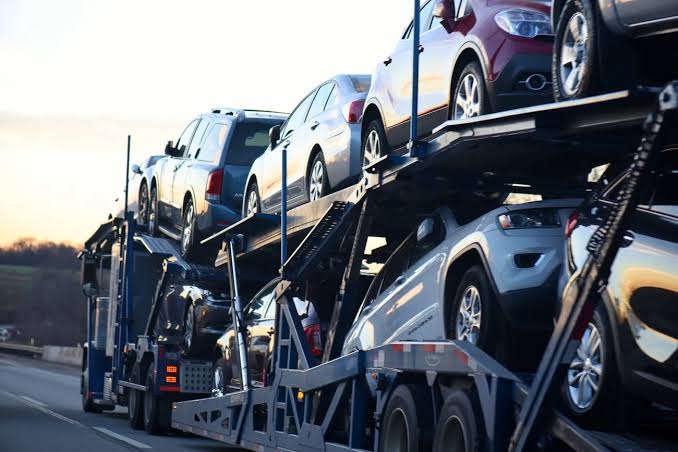
For 90% of the population, an open carrier makes the most financial sense. This is the standard, multi-level metal truck you pass on the highway hauling eight or nine vehicles at once. Your daily driver will probably arrive with a fresh layer of dust and a few bug splatters on the bumper, but structurally, it remains completely safe.
Do you really need an enclosed trailer? If you just bought a vintage Aston Martin at auction or you are relocating a brand-new Porsche 911, enclosed transport becomes mandatory. The premium price buys you total peace of mind. Enclosed trailers feature hydraulic lift gates for cars with incredibly low ground clearance and soft-tie systems that never touch the chassis. Ask any professional car transport service which option they recommend for your specific make and model.
Broker vs. Direct Carrier: Who Are You Actually Paying?
The auto transport industry is split into two distinct camps. You need to know exactly who is holding your deposit and who is actually driving the massive truck hauling your car.
| Business Type | How They Operate in the Market | Pros & Cons for the Consumer |
| Auto Transport Broker | A middleman who uses specialized logistics software to find an independent driver for your specific route. | Pro: Massive national network, faster pickup times. Con: They don’t control the actual truck or the driver. |
| Direct Carrier | The company that physically owns the truck and directly employs the driver hauling your vehicle. | Pro: Direct communication, single point of accountability. Con: Extremely limited route availability and rigid schedules. |
Most residential moves rely entirely on brokers. Direct carriers rarely have an empty spot on a truck sitting exactly in your zip code on the exact day you need it. Brokers bridge that gap by tapping into massive national load boards where thousands of independent owner-operators look for freight.
Both business models are completely legitimate, provided they are legally registered. The danger arises when a shady broker lies and claims they own the trucks, or when they quote an artificially low price just to steal your deposit without ever securing a real driver. Always verify their operating authority through the federal database before signing anything or handing over money.
How Much Does It Cost?
Pricing is easily the most confusing part of vehicle shipping. Auto transport operates on a highly volatile spot market, meaning prices fluctuate daily based on carrier supply, consumer demand, and diesel fuel costs.
To give you a realistic baseline for your budget, here are the current industry averages:
- Cross-country moves (open carrier): $1,000 to $1,500
- Cross-country moves (enclosed carrier): $1,800 to $3,000
- Short regional routes (under 500 miles): $400 to $700
Here is a closer look at what popular transit routes generally cost right now:
| Route Example (Origin to Destination) | Open Carrier Estimate | Enclosed Carrier Estimate |
| New York to Florida | $900 – $1,200 | $1,500 – $2,100 |
| California to Texas | $1,000 – $1,400 | $1,600 – $2,300 |
| Illinois to Arizona | $1,100 – $1,500 | $1,800 – $2,500 |
| Washington to Colorado | $800 – $1,100 | $1,300 – $1,800 |
Why are those ranges so broad? A massive Ford F-250 pickup truck costs significantly more to ship than a tiny Honda Civic because it takes up more physical deck space and eats into the truck’s strict federal weight limits. Seasonality plays a huge role too. If you try to ship a car from the Northeast down to Florida in November alongside thousands of migrating snowbirds, you will pay a massive premium. If you run that exact same route in May, the price drops significantly due to lower demand.
Pro Tip: If you live in a highly congested urban center or a rural town far from a major interstate highway, offer to meet the driver at a large commercial parking lot nearby. Making the route easier for the 80-foot truck saves the driver hours of headaches and can sometimes shave a little bit off your final quoted rate.
How to Get a Car Transport Quote the Right Way
Grabbing a random price from a generic website calculator is not enough. You need concrete offers based on your exact situation and timeline.
First, gather the essential details. A dispatcher absolutely needs your exact pickup and delivery zip codes, the precise make, model, and year of the vehicle, and whether the car actually runs. Non-running vehicles require a heavy winch to drag them up the steep metal ramps, which instantly adds a $100 to $150 surcharge to your final bill.
Next, reach out to multiple companies. You should aim to get a car transport quote from at least four different providers. Throw out the cheapest one is almost always a bait-and-switch tactic designed to steal your deposit. Throw out the absolute most expensive one, which is usually a broker heavily padding their own commission. The companies clustered right in the middle are usually provide the actual, realistic market rate.
When you get a car transport quote over the phone, ask specifically if the price includes all taxes, tolls, and mandatory insurance fees. Some shady brokers deliberately hide their own service fees until the very last page of the contract. A transparent provider will break down every single dollar before asking for your signature. It’s smart to get a car transport quote in writing before agreeing to anything verbally to protect yourself from sudden price hikes.
How to Spot a Legitimate Provider
Anyone with a laptop can build a flashy website, buy some stock photos of trucks, and call themselves a logistics expert. You have to verify their credentials manually.
Every single legal professional car transport service must be registered with the federal government. Enter their DOT or MC (Motor Carrier) number directly on the FMCSA website. If their operating status says anything other than “Authorized,” close the browser tab and walk away immediately. Operating without proper authority is a massive red flag.
Next, demand a Certificate of Insurance (COI). A legitimate broker will gladly email you a document detailing the carrier’s exact cargo insurance limits.
Finally, understand the paperwork. A reliable professional car transport service will always provide a binding written contract outlining the exact terms of the move. Pay close attention to the difference between a “guaranteed price” and a “rough estimate.” An estimate means the broker can legally hike the price by hundreds of dollars right before the truck arrives. If they refuse to put a firm, final number in writing, find someone else who will.
Red Flags That Tell You to Walk Away
Scams are incredibly common in this specific industry because the barrier to entry is so low. Protect your wallet by watching out for these glaring warning signs:
- The aggressively low price: If a quote is $400 cheaper than everyone else, they are lying to you. They will take your initial deposit, wait a few weeks, and then suddenly claim the carrier demands more money to actually dispatch a truck.
- Sketchy payment demands: Real logistics companies process deposits via major, traceable credit cards. If a rep demands a 100% upfront payment via Zelle, CashApp, Venmo, or a direct bank wire transfer, you are absolutely being scammed.
- Refusal to provide an MC number: This is required public information. Dodging the question or making excuses is an immediate, non-negotiable dealbreaker.
- Guaranteed exact delivery dates: Trucking is highly unpredictable. Anyone guaranteeing your car will arrive exactly at 3:00 PM on a Thursday is feeding you a line just to close the sale.
- High-pressure sales tactics: If the rep screams that you need to “book right now before the truck leaves without you,” hang up the phone.
- No written contract: Never give a truck driver your keys without a legally binding agreement detailing the price and insurance.
How to Prep Your Car Before Pickup
You booked a solid company, verified their license, and locked in a fair rate. Now you need to get the vehicle ready for the long ride. Handing over a filthy, heavily cluttered car makes proper damage inspections impossible and often voids your cargo insurance completely.
Run through this exact preparation checklist the day before the driver arrives at your house:
- Wash the exterior thoroughly. You must document any existing scratches or dents. Take high-resolution, timestamped photos of the clean car from every angle, including the roof and bumpers.
- Clean out the cabin completely. Remove your expensive sunglasses, charging cables, and loose change from the cup holders. The carrier’s insurance covers the vehicle itself, not your missing personal items left inside.
- Drain the fuel tank. Leave it at about a quarter full. This reduces the overall weight on the trailer but leaves enough gas for the driver to safely navigate the loading ramps.
- Remove all toll tags. Take down your E-ZPass or SunPass transponders. If you leave them active on the windshield, they will trigger at every single toll booth across the country, draining your account.
- Check the battery and tire pressure. A dead battery or a flat tire mid-transit creates massive headaches for the driver trying to unload vehicles behind yours.
- Never sign a blank Bill of Lading (BoL). This is your official inspection document. Sign it only after thoroughly inspecting the car alongside the driver. Any professional car transport service will insist on this step.
Shipping your vehicle across state lines doesn’t require insider industry knowledge. It just demands a bit of common sense, careful upfront vetting, and solid preparation. The entire transit process becomes highly predictable once you understand the basic rules of the auto transport spot market and how carrier pricing actually works.
When it is time to handle your big move, take a breath. Gather multiple quotes to find the true market rate, rigorously verify the company’s federal operating license, and prep your car properly before the heavy flatbed pulls up to your curb. Do the upfront legwork, and you completely eliminate the nasty, expensive surprises that catch most first-timers off guard. Sign the paperwork, hand over the keys, and catch your flight. Your car will be waiting for you there safely.